Beets: 10 Benefits of Beets


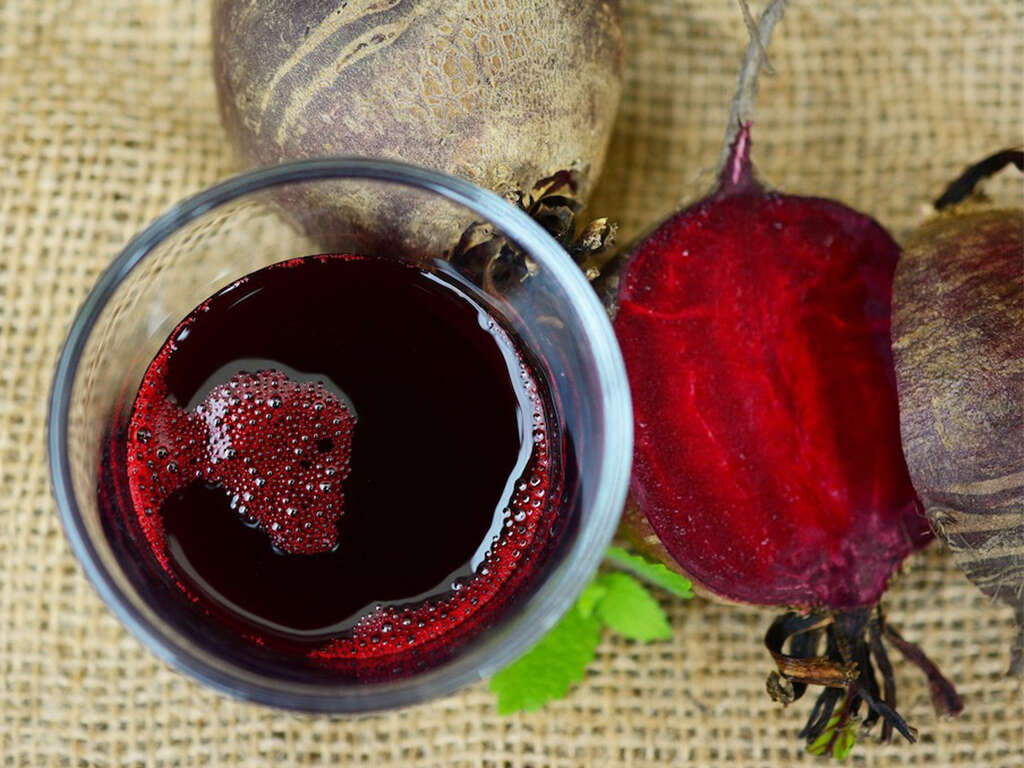
The beetroot also commonly known as the garden beet, red beet, golden beet or just simply beets, offer more than their earthy, sweet taste. Beets are used in a variety of cuisines worldwide. In Eastern Europe, beet juice (in its fermented form) is used as a base for a popular soup known as borscht. In Poland and Ukraine, a relish known as cwikla is made with a combination of beets and horseradish and in Northern Germany, mashed beets or labskaus is a popular side dish. Australia uses pickled beets as a condiment in their hamburgers while the Pennsylvanian Dutch use the juice as a pickling agent for eggs.
Aside from the various methods of preparation, beets are also quite nutrient dense; high in dietary fiber, rich in folate and manganese and contain vitamins A and C along with many other essential nutrients. This is the main reason why beets are so beneficial and should be a regular addition to most people’s diets (in moderation, of course). However, two considerations should be made with the overconsumption of beets. Beets are high in oxalates, which can form small crystals and contribute to the development of kidney stones and the buildup of uric acid in the system. So keep this in mind if you are prone to developing kidney stones or gout.
Beets Benefit #1: Folate
Folate is an essential B vitamin that plays a vital role in various functions in the body and can help reduce the risk of developing cardiovascular disease and strokes. Because it is not found naturally in many of the foods that the “American” diet is comprised of, many foods are fortified with folic acid (the synthetic form of folate) to prevent deficiency. Unfortunately, many of the fortified foods are refined starches like breads, breakfast cereals and flour. Even more, many will take folic acid as a dietary supplement. Because of its importance in supporting normal fetal development, this is especially required for women before and during pregnancy.
Folate is naturally found in many fruits and vegetables, especially dark leafy greens. Beets not only contain folate, they are quite rich in it. 1 cup of raw beets contains approximately 37% of the recommended daily intake of folate. The addition of 1 cup of beet greens (the leafy greens attached to the root), will add another 6 mcg of folate. This means that adding beets and beet greens regularly to your diet can provide a substantial amount of your daily requirements for folate and more importantly, getting your intake from a natural source rather than the fortified (and unhealthier) food choices.
Beets Benefit #2: Manganese
Beets are rich in the essential mineral manganese. 1 cup of beets raw or boiled contains approximately 20% of the daily-recommended intake. Getting sufficient amount (careful not to over consume for risk of toxicity) can prevent the development of mineral bone disorders such as osteoporosis and decrease inflammation in the body.
Manganese is an essential mineral that plays a major role in the body. Manganese acts as both an enzyme and activator of enzymes in many physiological functions. It is the preferred cofactor of enzymes that are required for the formation of healthy cartilage and bones. Manganese is also vital in wound healing and is involved in the metabolism of proline, an amino acid that is required for collagen formation in the skin cells. Lastly, it is vital in acting as an antioxidant enzyme in the mitochondria, which are prone to oxidative stress and an activator of the enzyme that is critical in gluconeogenesis (the production of glucose from non-carbohydrate sources).
Beets Benefit #3: Dietary Fiber
Dietary fiber found in fruits, vegetables, whole grains and legumes has many health benefits. Interestingly, it is most Americans don’t get their recommended daily intake as its importance is commonly under estimated. It is recommended that adults consume 25 grams (for women) and 38 grams (for men) of dietary fiber daily. Often referred to as roughage or bulk, beets are not usually considered a great source of dietary fiber, however 1 cup of raw beets contains 3.8 grams.
Dietary fiber feeds the friendly gut bacteria, helps normalize bowel movements and decreases the chance of constipation and lowers the risk of hemorrhoid development. Foods high in fiber are nutrient dense, tend to be more filling and can aid in weight loss. Additionally, a diet high in fiber will slow down the absorption of blood sugar and can especially be beneficial for people with Type 2 Diabetes.
Beets Benefit #4: Antioxidant
Beets also contain powerful antioxidants that fight against free radicals and oxidative stress, which cause an array of health problems including chronic diseases such as arthritis. Polyphenol is one of the antioxidants found in beets. Research has shown that polyphenols can prevent the development of cardiovascular disease and can support fighting against neurodegenerative diseases, osteoporosis and cancer. Beets are highly concentrated with polyphenols, which make them an important addition to the diet as a preventative measure. Polyphenols also aid in faster healing after surgery and promotes liver function.
Another phytonutrient found in beets is betalains. Betalains are a class of antioxidants that are mostly found in red beets. Recent studies show that betalains are scavengers of free radicals in the system that fight against toxins and support proper function of many organs. With just over a cup of red beet juice, one can get a healthy dose of these powerful antioxidants.
Beets Benefit #5: Immunity Booster
High in vitamins B and C, combined with its powerful antioxidants make the consumption of beets helpful in boosting your immunity. This immune fighting combination aids the fight against common colds and reducing fevers. They also help minimize the symptoms that come along with getting a cold by relieving minor aches and pains, reducing inflammation and preventing fatigue. All the more reason to add beets to your diet and/or juices during cold and flu seasons.
One cup of beets provides 6.7 mg or 11% of the recommended daily intake of Vitamin C. Vitamin C plays a vital role in supporting the body’s immune system. It helps stimulate white blood cell activity, specifically lymphocytes and phagocytes and helps them work more effectively. Efficient and effective white blood cells are so important because they are the main line of defense against bacterial, viral and fungal infections. Vitamin C also supports the respiratory system and can alleviate asthmatic symptoms. Even more, research shows that people who suffer from pneumonia tend to also have low vitamin C levels.
Beets Benefit #6: Anti-Inflammatory
Beets contain the highest plant source of betaine and are rich in anti-inflammatory agents. Betanine has been shown to decrease inflammation by inhibiting the enzymes involved in the process, and some studies show its ability to decrease tumor cell growth, specifically in the colon, stomach, breast and lungs. Even more, studies show that these anti-inflammatory agents aren’t lost through the cooking, roasting or boiling process.
Inflammation in the body caused by trauma, infection and oxidative stress. If the immune system is unable to clear the inflammation and return to homeostasis, complications occur and a prolonged inflammatory state can lead to a series of chronic illness such as diabetes and arthritis. Betaine has been shown to lower C-reactive protein levels, which is an indication of inflammation in the system.
Beets Benefit #7: Heart Healthy
Beets contain an array of heart protective, cholesterol lowering properties that support cardiovascular health. Each of these components alone support a healthy heart, however a combination of the antioxidants, fiber and naturally occurring nitrates that are found within beets make them a powerful army against heart disease.
High in dietary fiber, beets can aid in lowering cholesterol levels and promoting normal digestion. When converted into nitric oxide, dietary nitrates found in beets improve cellular respiration and widen blood vessels increasing blood circulation to the heart and other vital organs. Beets also contain the chemical compound betaine in high amounts. Betaine is involved in the clearance of homocysteine in the blood. Elevated levels of homocysteine have been closely associated with increased risk of strokes and coronary artery disease.
Beets Benefit #8: Detox Support
Beets aid in the support of the body’s natural detox mechanisms. Betalains also act as a promoter of the two organs responsible for cleansing and detoxification of the system; the kidney and the liver. Pectin, a component of the fiber content and is important in pulling out cholesterol rich bile from the intestines and moving it out of the body.
Betanins are a compound found in beets that activate the enzymes involved in the second phase of detoxification of the liver thus promoting a healthy balance of hormones, cholesterol and energy levels. Betaine is also protective of the liver and bile ducts. Another advantage of these detoxifying compounds is that they are still present when beets are juiced and so the addition of beet juice to the diet is an easy way to cleanse the system.
Beets Benefit #9: Improved Blood Circulation
When nitrates are consumed, they go through a series of chemical reactions and are eventually converted into nitric oxide. Nitric oxide improves cellular respiration, increasing blood circulation, improving high blood pressure and peripheral artery disease. Additionally, research shows that nitrates are endurance boosters. One study showed that beet juice combined with apple juice prior to exercise led to lower resting blood pressure and overall better endurance in athletes.
Red beets are very high in nitrates, with over 250 mg in approximately 3.5 cups of raw beets. Although there has been some controversy regarding nitrates recently, there is still a need for additional research on dietary nitrates. However, the World Health Organization has set the Acceptable Daily Intake of nitrates from 0-3.7 mg/kg of body weight.
Beets Benefit #10: Beet Greens
Not only is the actual beetroot a powerful and nutrient-dense source of food, the top greens of the root provide additional health benefits. Commonly referred to as beet greens they can be consumed in various ways as well, raw, boiled or steamed. Beet greens have a similar taste and texture to spinach. One cup of beet greens contains an additional 1.4 grams of dietary fiber and provides the recommended daily intake of vitamin A and K.
Beet greens promote healthy eyes and provide protection. Rich in vitamin A, beet greens also contain an additional antioxidant known as lutein, which provides over 275 micrograms in one cup. The combination of both provides a powerful defense against the development of macular degeneration and cataracts. Vitamin K is involved in blood coagulation, a process that is required to control the binding of calcium in bones (rather than in the tissue) and supports the prevention of osteoporosis.