What Is Cholesterol?

 Article Sources
- 1. 'LDL & HDL: Good & Bad Cholesterol.' Centers for Disease Control and Prevention, www.cdc.gov/cholesterol/ldl/hdl.htm.
- 2. 'Causes of High Cholesterol.' Heart.org, www.heart.org/en/health-topics/cholesterol/causes-of-high-cholesterol.
- 3. 'High Cholesterol Diseases: Conditions & Outcome.' Cleveland Clinic, my.clevelandclinic.org/health/articles/11918-cholesterol-high-cholesterol-diseases.
- 4. 'Knowing Your Risk: High Cholesterol.' Centers for Disease Control and Prevention, www.cdc.gov/cholesterol/risk/factors.htm.
- 5. 'Triglycerides and High Cholesterol: Causes, Risks & Prevention.' Cleveland Clinic, my.clevelandclinic.org/health/articles/11117-triglycerides.
1. Why Cholesterol is Essential
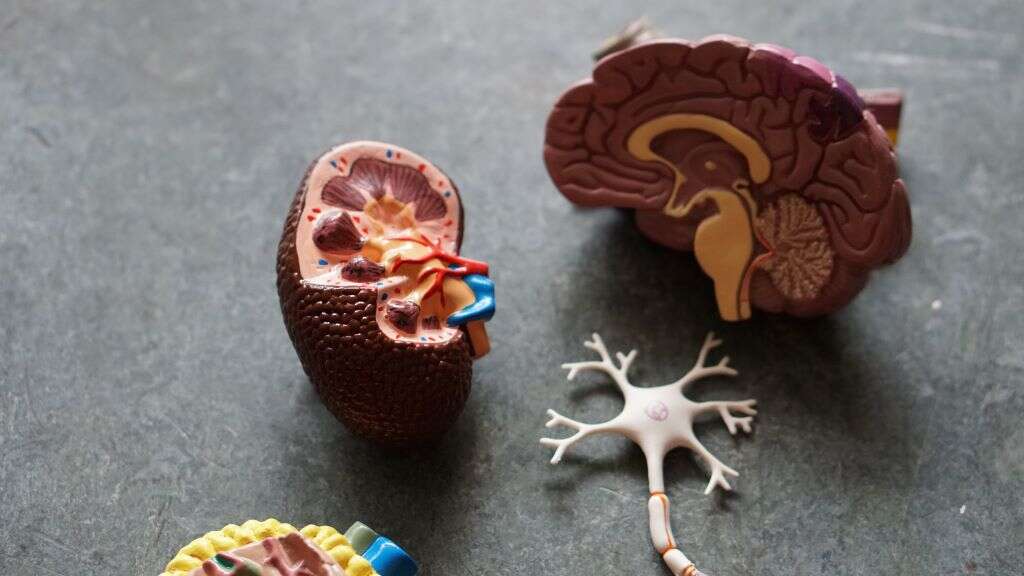
Cholesterol is present in all of the body’s cells and is of vital importance to bodily functioning. It’s particularly necessary in the brain, nerves and skin, where it forms part of the structure of all cell membranes.
Cholesterol, which is transported in the blood by carriers known as lipoproteins, creates hormones such as estrogen, testosterone and adrenal hormones that assist in metabolic functioning, as well as playing a vital function in vitamin D production. It also produces bile acids that help in the digestion of fat and the absorption of essential nutrients.