10 Hyperglycemia Symptoms


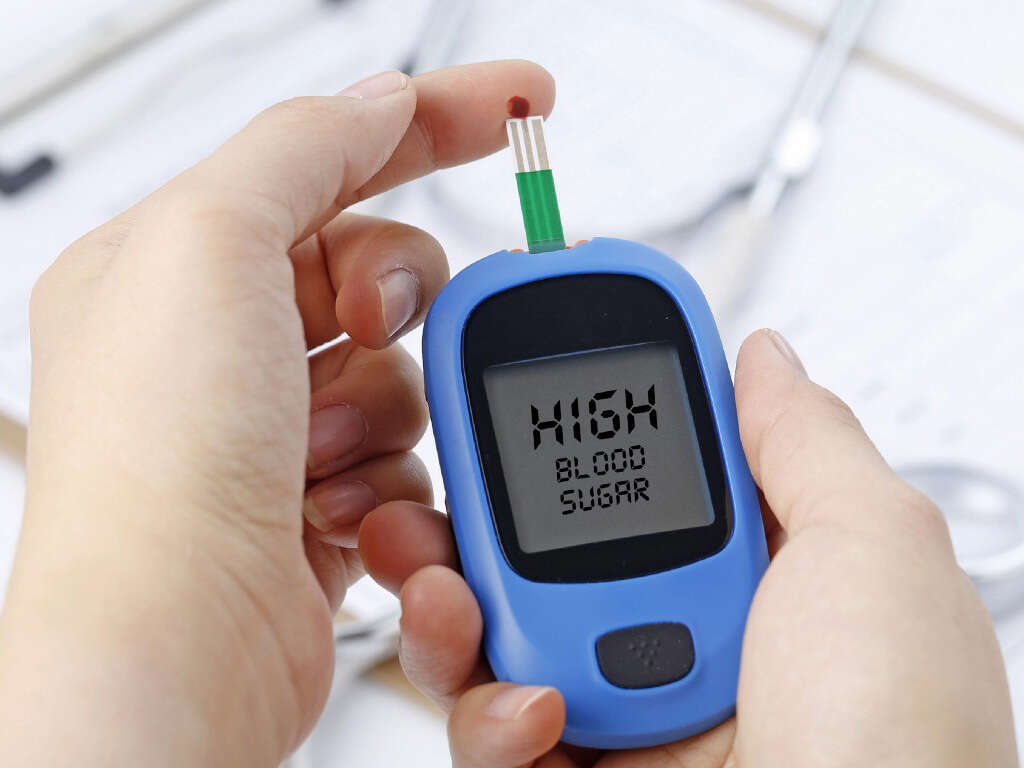
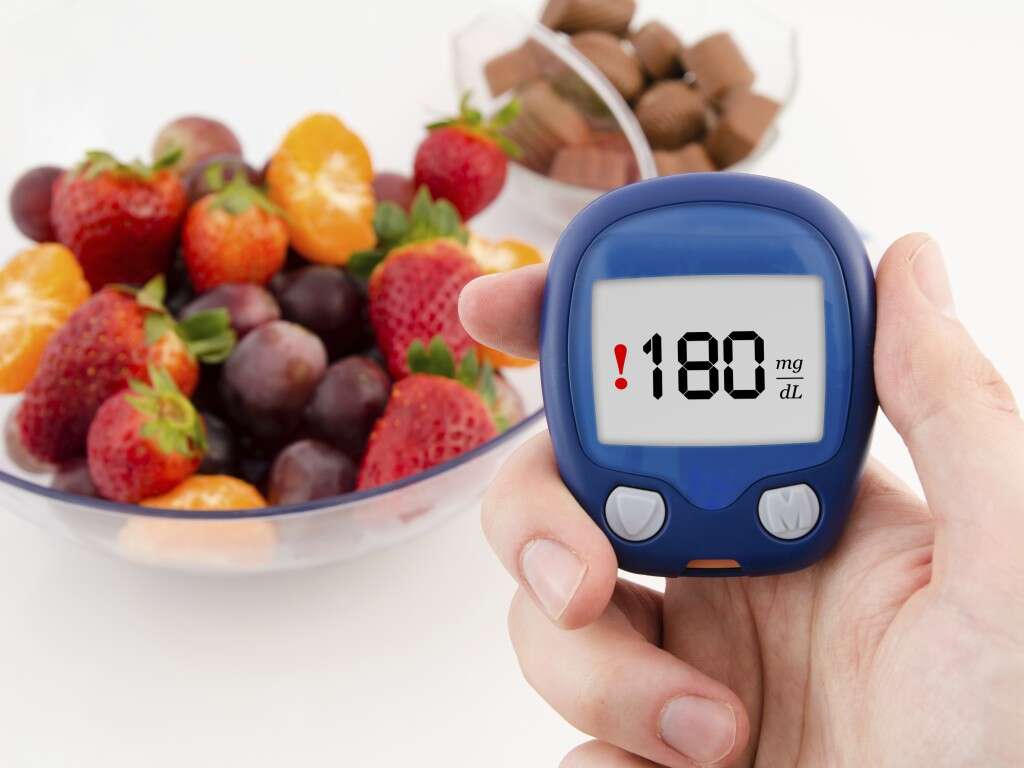
Hyperglycemia is a medical term that means abnormally high levels of blood glucose. It is usually seen among individuals with diabetes. Blood sugar can be defined as high when it exceeds 11.1 mmol/l or 200 mg/dl. Depending on each individual, there can be little to no symptoms seen until the blood sugar levels become significantly higher such as 15 to 20 mmol/l or 250 to 300 mg/dl. It is important for patients to control their blood sugar levels as chronic hyperglycemia can result in complications such as end organ damage.
Hyperglycemia is most commonly seen among patients with diabetes mellitus. The term diabetes refers to a group of metabolic disorders where there is prolonged hyperglycemia if not properly controlled with diet, exercise, and medication. There are three main types of diabetes known as type 1 diabetes mellitus, type 2 diabetes mellitus, and gestational diabetes. Type 1 diabetes or juvenile diabetes is most commonly seen among young children and occurs as the pancreas does not produce adequate insulin. Type 2 diabetes is mostly seen among adults and occurs when there is insulin resistance. Gestational diabetes occurs among pregnant women and usually resolves once the baby is delivered.
Symptom #1: Polyphagia
Polyphagia or hyperphagia describes the situation where there is excessive hunger and an increased appetite. This causes an abnormally large consumption of food. In hyperglycemia, glucose cannot enter the cells due to insulin resistance or inadequate insulin.
This causes the body to not be able to convert the consumed food into energy, leading to a constant state of hunger. Polyphagia can be seen in other conditions such as Prader-Willi syndrome, Kleine-Levin syndrome, hyperthyroidism, and Bardet-Biedl syndrome.
Symptom #2: Polydipsia
Polydipsia is a term that describes excessive thirst or drinking. It is a non-specific symptom that can be observed in issues such as hypokalemia, diabetes mellitus, low blood volume, diabetes insipidus, and more.
Polydipsia is a symptom instead of a disease that is also associated with other symptoms such as polyuria. Polydipsia can result in complications such as low serum concentration of blood urea nitrogen, low sodium, and low red blood cells.
Symptom #3: Polyuria
Polyuria or excessive production of urine describes a urine production of more than 2.5 to 3.0 liters a day. Excessive production of urine is also usually accompanied by excessive thirst or drinking and increased frequency of urination.
While there are many causes of polyuria, the commonest cause of it is due to uncontrolled diabetes mellitus where there is constant hyperglycemia. Some of the other causes of polyuria include primary polydipsia, nephrogenic diabetes insipidus, central diabetes insipidus, and adrenal cortical tumor.
Symptom #4: Blurry Vision
Blurry vision is one of the commonest ocular complaints that can be caused by issues such as cataracts, presbyopia, glaucoma, eye infection, macular degeneration, retinal detachment, brain tumor, optic neuritis, stroke, and more.
In hyperglycemia, the lens of the eye can be transiently swollen causing blurry vision. Experts believe that repeated episodes cause the formation of cataracts.
Symptom #5: Fatigue
Fatigue is defined as a feeling or sensation of gradual tiredness that can improve with rest. There are two types of fatigue. Physical fatigue is described as the temporary inability of muscles to maintain their peak optimal performance.
Mental fatigue describes the transient inability where one cannot maintain maximal cognitive performance. It is a non-specific and common symptom seen in conditions such as pregnancy, sleep deprivation, stress, diseases and more.
Symptom #6: Restless Leg Syndrome
Restless leg syndrome is a condition that affects the nervous system that leads to uncomfortable sensations where the patient has an overwhelming urge to move their legs (and sometimes arms). These uncomfortable sensations can be described as creeping or crawling sensations that can range from mild to unbearable.
It is worst in the evening and at rest resulting in disturbances with sleep or sleep deprivation. In hyperglycemia that is common among diabetics, it can cause nerve damage leading to diabetic peripheral neuropathy. Nerve damage to the lower limbs can contribute to restless leg syndrome.
Symptom #7: Coma
Coma describes a state of unconsciousness where the individual cannot be awakened and is not able to respond to any stimuli. The absence of responsiveness includes the inability to speak, move, feel, or hear.
A patient in a comatose state usually scores between 3 and 8 on the Glasgow Coma Scale. Causes of coma include hypercapnia, severe hypoglycemia, traumatic brain injury, intoxication, subarachnoid hemorrhage, and more.
Symptom #8: Stupor
Stupor describes the lack of mental function or it can refer to lower consciousness. This means that the afflicted individual does not respond to any cues besides base stimuli such as pain. Stupor can be observed in conditions such as severe hypothermia, infectious diseases, complicated toxic states, mental illness, vascular illness, epilepsy, shock, trauma, neoplasms, and more.
Patients in this state can appear to be sleepy most of the time. Severe cases also lead to patients being motionless, mute, appetite loss, and weight loss.
Symptom #9: Recurrent Infections and Poor Wound Healing
Patients who have poorly controlled diabetes have constant hyperglycemia. Since high levels of blood sugar weakens the patient’s immune system, these patients are more susceptible to recurrent infections and poor wound healing. High blood sugar favors immune dysfunction such as damage to the neutrophil function, disrupt humoral immunity, and depress the antioxidant system.
Diabetics are therefore recommended to be vaccinated with influenza and pneumococcal vaccines to lower the rates of mortality and morbidity.
Symptom #10: Erectile Dysfunction
Erectile dysfunction or impotence describes the inability to develop or maintain a penile erection during intimate activity. There can be psychological consequences that result in issues with relationships and self confidence. Erectile dysfunction can be caused by psychological and organic causes.
Some of the organic causes include poorly controlled diabetes, cardiovascular disease, hormonal insufficiencies, neurological issues, medication side effects, and more. Erectile dysfunction can be managed using medications such as sildenafil, penile prosthesis, and injections into the penis.