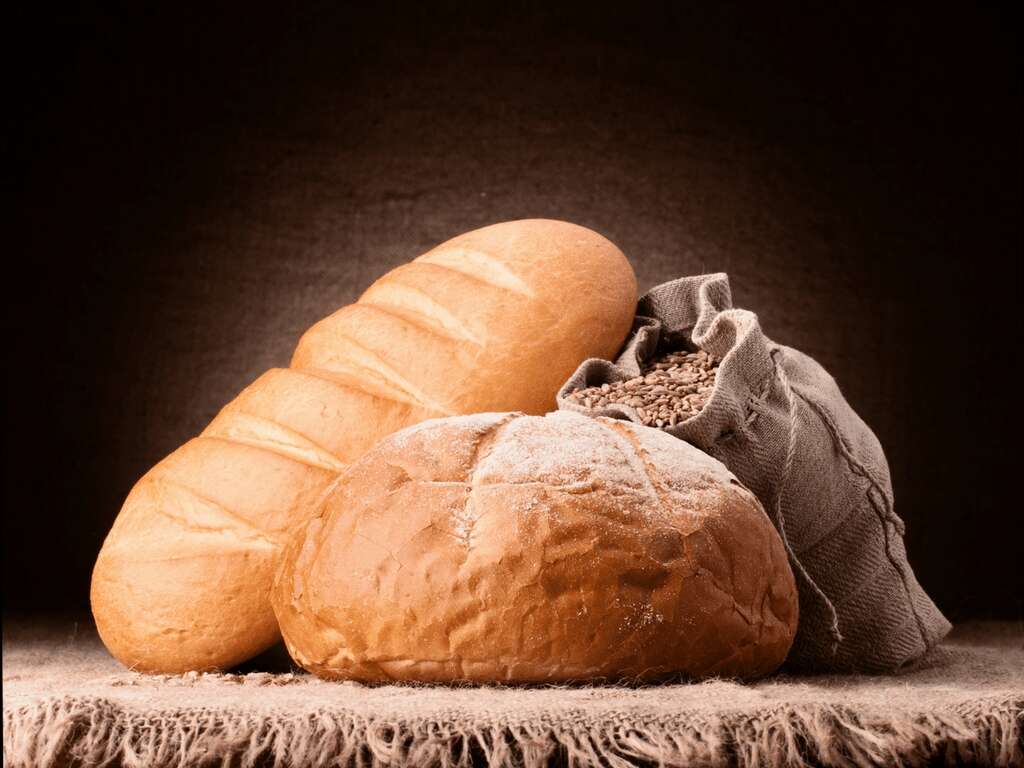
Simple Carbohydrates vs. Complex Carbohydrates

 Article Sources
- 1. ’Carbohydrates.’ Cleveland Clinic. www.my.clevelandclinic.org/health/articles/15416-carbohydrates
- 2. Kandola A. ‘What to know about simple and complex carbs.’ Medical News Today. www.medicalnewstoday.com/articles/325171
- 3. Holesh J; Aslam S; Martin A. ‘Physiology, Carbohydrates.’ National Institutes of Health. www.ncbi.nlm.nih.gov/books/NBK459280/
- 4. ’Glycemic index for 60+ foods.’ Harvard Health Publishing. www.health.harvard.edu/diseases-and-conditions/glycemic-index-and-glycemic-load-for-100-foods
The Glycemic Index
The glycemic index (GI) is a scale ranging from one to 100 that indicates how quickly sugar-containing foods increase blood glucose levels when compared with pure glucose.
Low glycemic foods with a score of 55 or less include steel-cut oatmeal and non-starchy vegetables. The middle glycemic range is 56 to 69 and include bran cereals and bananas. The high range is from 70 to 100, which should be consumed in small amounts, include white bread and flour, cornflakes and rice cakes.4’Glycemic index for 60+ foods.’ Harvard Health Publishing. www.health.harvard.edu/diseases-and-conditions/glycemic-index-and-glycemic-load-for-100-foods