What Is Waardenburg Syndrome?

By Jolene
Part 2 of 9
2. Gene Mutations
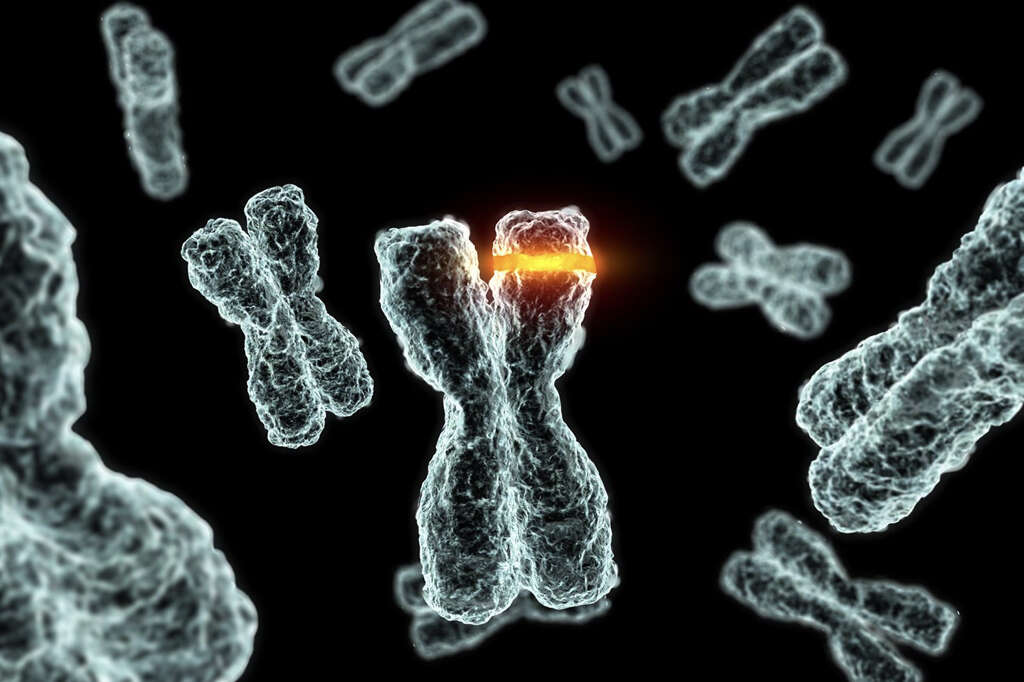
In Waardenburg syndrome, there are mutations in various genes to cause different types of the syndrome. There are 6 genes that are involved in this condition: PAX3 gene that encodes the paired box 3 transcription factor, EDN# gene (endothelin 3), MITF gene (microphthalmia associated transcription factor), SNAI2 (snail homolog 2), SOX10 (encodes the Sry bOX10 transcription factor), and EDNRB (endothelin receptor type B).
Advertisement
Waardenburg syndrome generally has an autosomal dominant pattern where only one copy of the abnormal gene is required to cause disease. This can be seen in types 1 and 3 while types 2 and 4 have an autosomal recessive type of inheritance pattern. A small portion of cases are due to new genetic mutations.
gene (endothelin 3), MITF gene (microphthalmia associated transcription factor), SNAI2 (snail homolog 2), SOX10 (encodes the Sry bOX10 transcription factor), and EDNRB (endothelin receptor type B). Waardenburg syndrome generally has an autosomal dominant pattern where only one copy of the abnormal gene is required to cause disease. This can be seen in types 1 and 3 while types 2 and 4 have an autosomal recessive type of inheritance pattern. A small portion of cases are due to new genetic mutations.
In 1916, Dutch ophthalmologist Jan van der Hoeve first reported symptoms of Waardenburg syndrome in two deaf twin girls. in 1947, As previously mentioned, Waardenburg syndrome was described by Dutch ophthalmologist Petrus Johannes Waardenburg. It has a less popular name of Waardenburg-Klein syndrome.
This is because it was also described by David Klein, a Swiss geneticist and ophthalmologist. In 1948, Klein and Waardenburg collaborated and performed a search among 1,050 deaf patients. In 1971, Arias drew attention to several patients as a separate subtype of the syndrome (type 2), which were overlooked by Waardenburg. In 1981, Shah and colleagues reported 12 infants with Waardenburg syndrome associated with Hirschsprung disease.

Advertisement