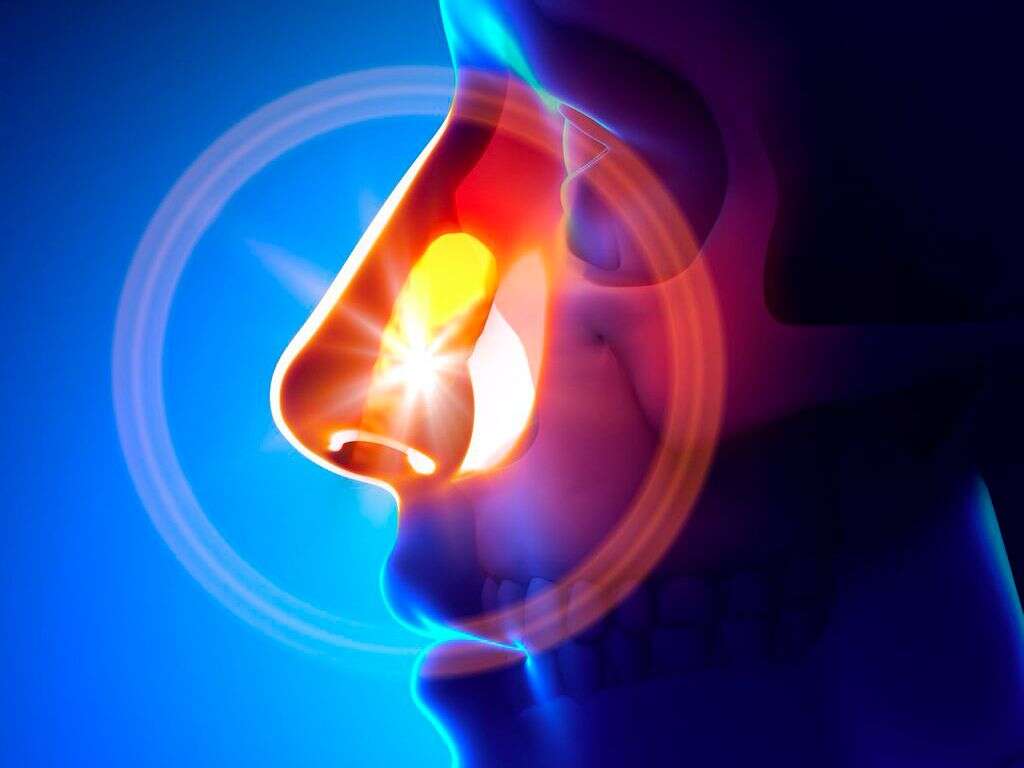
What Is Bronchitis?


1. Pathophysiology
During acute bronchitis, the tissue in the bronchi are inflamed and irritated causing them to become swollen. This decreases the mucociliary function in the bronchus leading to more debris clogging the airway and increased inflammation. When bronchitis is due to mycoplasma pneumoniae infection, further irritation of the lining can occur due to attachment of the organism to the mucosa, which results in sloughing of the affected cells.
Chronic bronchitis can be further divided into chronic bronchitis with obstruction, chronic mucopurulent bronchitis, or simple chronic bronchitis. After a series of acute bronchitis, it may result in chronic bronchitis. Acute bronchitis may also evolve into chronic bronchitis if there is inhalation of polluted air or heavy smoking. A continuous cough may signify a thickened mucus-producing layer that narrows the airways. Immobilization of the cilia that sweeps the irritants also occurs causing the airways to become more vulnerable to infection and damage.