Shin Splints Causes And Symptoms

 Article Sources
- 1. McClure, Charles J. 'Medial Tibial Stress Syndrome.', U.S. National Library of Medicine, 10 Aug. 2020, www.ncbi.nlm.nih.gov/books/NBK538479/.
- 2. 'Shin Splints - OrthoInfo - AAOS.' _OrthoInfo_, orthoinfo.aaos.org/en/diseases--conditions/shin-splints.
- 3. A;, Nilsson J;Thorstensson. 'Ground Reaction Forces at Different Speeds of Human Walking and Running.' _Acta Physiologica Scandinavica_, U.S. National Library of Medicine, pubmed.ncbi.nlm.nih.gov/2782094/.
- 4. 'Are Feet at Fault for Back, Hip, and Knee Woes?'_Are Feet at Fault for Back, Hip, and Knee Woes? - Health Encyclopedia - University of Rochester Medical Center_, www.urmc.rochester.edu/encyclopedia/content.aspx?ContentTypeID=1&ContentID=1158.
1. Shin Splint Causes
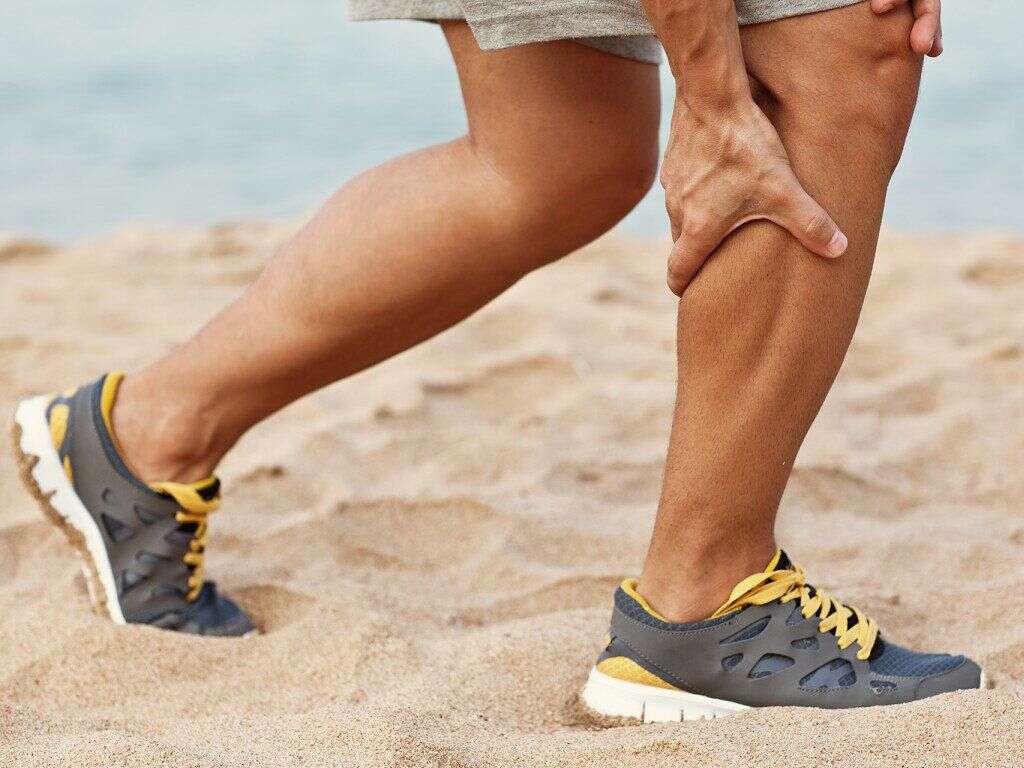
It’s believed that shin splints develop when leg muscles absorb more shock from running and jumping than they’re conditioned to.2‘Shin Splints - OrthoInfo - AAOS.’ OrthoInfo, orthoinfo.aaos.org/en/diseases–conditions/shin-splints. The repetitive stress of the foot contacting the ground many times at high speed transfers to the shin bone, known as the tibia. This in turn causes painful inflammation of the muscles next to it, as well as affecting the bone itself.
The typical cause is from increasing the amount of exercise or its intensity too quickly, such as adding to the number of miles run each week or jogging on hard surfaces.