10 Dry Mouth Symptoms

 Article Sources
- 1. 'Dry Mouth.' Mayo Clinic, Mayo Foundation for Medical Education and Research, 1 Feb. 2018, www.mayoclinic.org/diseases-conditions/dry-mouth/symptoms-causes/syc-20356048
- 2. 'Brushing Your Teeth.' Mouth Healthy TM, www.mouthhealthy.org/en/az-topics/b/brushing-your-teeth
- 3. 'Snoring: Causes, Treatment, Risks, Prevention.' Cleveland Clinic, my.clevelandclinic.org/health/diseases/15580-snoring
Dry mouth is something most people may experience upon waking up in the morning or after strenuous exercise. In most cases, it's inconsequential, but if it's a frequent occurrence, it could be a sign of other health issues that may need to be addressed.
Dry mouth, or xerostomia, develops when the salivary glands in the mouth don't make enough saliva.1‘Dry Mouth.’ Mayo Clinic, Mayo Foundation for Medical Education and Research, 1 Feb. 2018, www.mayoclinic.org/diseases-conditions/dry-mouth/symptoms-causes/syc-20356048 Other reasons the mouth becomes dry include not drinking enough fluids, sleeping with an open mouth, hot and dry weather or medication side effects. Here are some symptoms of a dry mouth.
1. Bad Breath
Bad breath, or halitosis, is one of the more annoying symptoms of a dry mouth. Normally, saliva washes away various cells, food particles and microbes that accumulate inside a person's mouth. Without saliva to remove them, these cells decompose, which leads to bad breath.
Most people think brushing their teeth is enough to fight bad breath. While regular tooth brushing helps, the decomposing cells tend to accumulate toward the back of the tongue where people don't normally brush. Using a tongue scraper, which can easily be found at a pharmacy, can remove the decomposing cells.
2. Chapped Lips
Sometimes people breathe through their mouth more than their nose, which can also lead to a dry mouth. When people breathe through their mouths, the air is constantly flowing over their lips and drying them out. This can lead to chapped lips.
Individuals with chapped lips and a dry mouth should try breathing through their noses. Doing so allows the dry air to flow through their nose, rather than over their lips.
3. Mouth Dryness
Most people know the uncomfortable feeling of waking up in the morning with a dry mouth. This happens because the body naturally loses water during sleep. In some cases, people experience this sensation all day long.
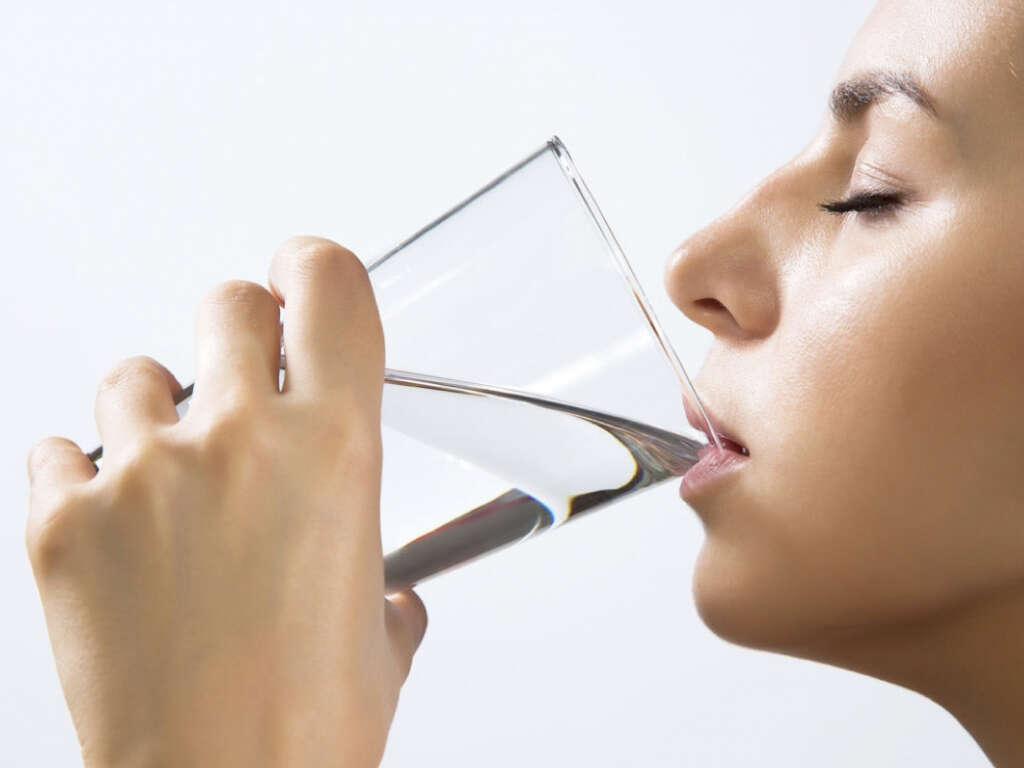
Figuring out the cause is key. The medication that an individual takes could result in a dry mouth. Check your medications to see if mouth dryness is one of the side effects. Drinking a few cups of water upon waking helps rehydrate the body after sleep.
4. Tooth Decay and Plaque
Normally, saliva washes away the bacteria that develop from leftover food particles remaining in a person's mouth. If someone has a dry mouth, the bacteria remain on the teeth and eat away at the tooth enamel, which can lead to cavities.
People can prevent tooth decay and plaque by practicing good hygiene habits, such as daily flossing. People should also brush their teeth for the proper amount of time. The American Dental Association recommends brushing for two minutes, twice a day.2‘Brushing Your Teeth.’ Mouth Healthy TM, www.mouthhealthy.org/en/az-topics/b/brushing-your-teeth
5. Snoring
If people sleep with their mouths open, their tongues tend to rest lower and farther back in their mouths. This restricts the flow of air in the airway, causing the soft tissues in the mouth to vibrate. The vibration causes the snoring.
If someone has a dry mouth, they're probably sleeping with their mouth open and, as a result, probably snoring. A piece of surgical tape over a person's mouth can help keep it closed during sleep, which may reduce snoring.
6. Sore Throat
If someone's mouth is dry, chances are that their throat is also dry. A dry throat may mean that the person is breathing through their mouth and not getting the benefits of the natural air filtering that the nose provides.
As a result, the bacteria that would have been filtered by the nose enters the throat and infects it, causing an uncomfortable sore throat. It's important to make a conscious effort to breathe through the nose.
7. Increased Thirst
If a person's mouth is dry, they're going to experience increased thirst. It comes down to the lack of saliva in an individual's mouth, which can worsen due to dehydration. If a person's mouth is producing saliva, their mouth won't be dry.
A trip to the doctor can help an individual with increased thirst ensure there are no underlying conditions interfering with saliva production. It's also a good idea to carry a bottle of water to stay hydrated.
8. Gum Disease
All people have bacteria in their mouths. These bacteria are also on people's gums. Normally, saliva washes the bacteria away. If a person's mouth is dry, the saliva isn't able to perform its usual function.
In that case, the bacteria that would normally be washed away stay on the gum, weakening the tissue. With enough time, infection sets in and leads to gum disease. Check with a dentist to prevent this from happening.
9. Problems Wearing Dentures
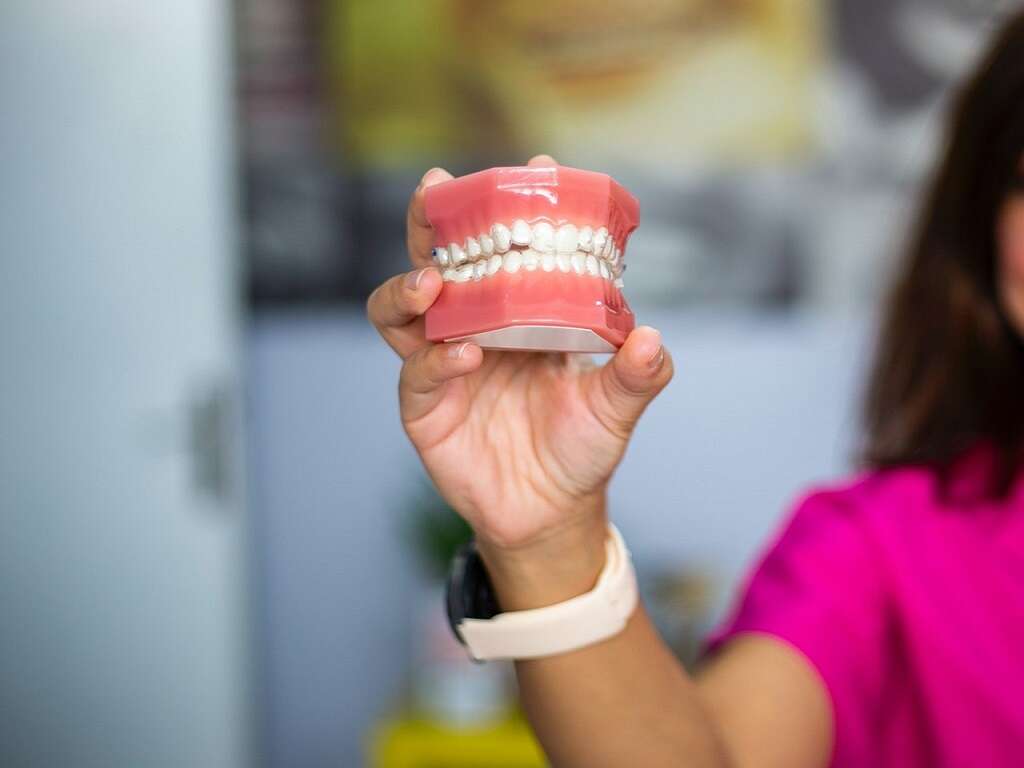
For denture wearers, saliva helps bond the dentures to the gums. It also acts as a lubricant between the denture and the gums and prevents any irritation that may be caused by the dentures rubbing against the gums.
A dry mouth without saliva can cause dentures to become loose. It can also cause irritation and possible infections since the saliva is not there to wash away any bacteria that may be present.
10. Problems Speaking
Saliva acts as a lubricant for the tongue, which helps when speaking. If a person's mouth is dry, speaking becomes difficult, and the pronunciation of words may be difficult for the listener to understand.
The tongue does a lot of work when speaking, and it needs saliva to help it slide and move so it can properly pronounce words. If a person is experiencing speaking problems, they may want to carry a bottle of water to keep their tongue lubricated.