10 Causes of Atelectasis


Within our respiratory system, the airways are branch-like tubes that run through each one of your lungs. They bring oxygen in and out of your body and are extremely important for the maintenance of good health. Atelectasis is when the smaller airways within the lungs partially or completely collapse. It is one of the most common pulmonary complications from surgery but can also be caused by tumors and chest injuries among other things.
There are multiple types and causes of atelectasis. In simple terms, atelectasis is referred to as a collapsed lung, and this term is fairly accurate. The problem occurs when part or all of the lung collapses, making it impossible for fresh air to reach the alveoli. The alveoli are the small sacs in our lungs that effectively trade oxygen for carbon dioxide. If air can’t reach these sacks then we can’t breathe.
A number of problems result if we can’t get enough oxygen into our lungs. Our muscles and organs will begin to falter, since they all rely on oxygen. Our blood won’t be oxygenated and won’t be able to supply our brain with the oxygen that we need to think and perform properly. Atelectasis can be catastrophic for a person’s physical and mental health. If you’re worried about developing atelectasis, then you must be interested in knowing what problems can contribute to it. In this article, we’re going to outline the ten most common problems that can cause atelectasis.
Cause #1: Mucus Plug
A mucus plug is a buildup of mucus in the airways of your lungs that can occur for a number of reasons, which account for the main causes of obstructive atelectasis. It can occur if you’re knocked out during a surgery or during a coma, or from any other situation in which your body is producing an excessive amount of mucus that you can’t expel.
Mucus plugs are also relatively common in young children, as well as in people suffering from cystic fibrosis or from more serious forms of asthma. As these secretions build up in the airways, they can put pressure on the alveoli and lead to damage.
Cause #2: Surgery
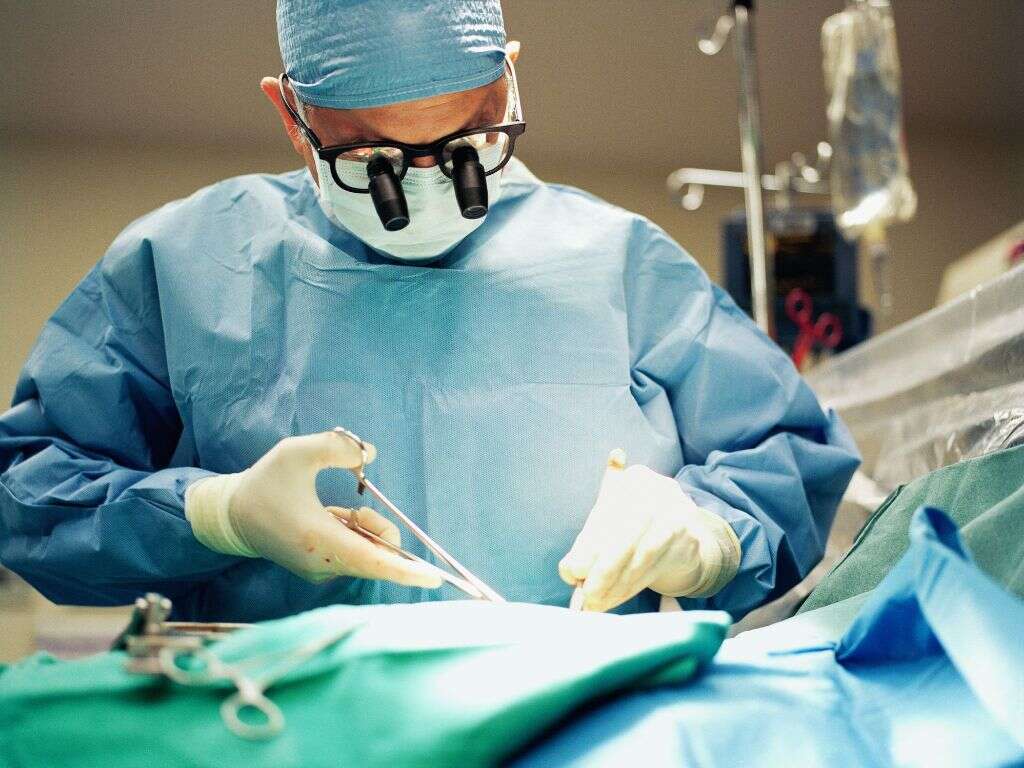
There are a number of reasons that surgery can contribute to atelectasis. In fact, research has shown that most people who undergo any form of major surgery (meaning any surgery that requires them to be put out under general anesthesia for a significant amount of time) are likely to develop at least some degree of lung collapse.
This is because going under causes your regular breathing pattern to change. The relaxation of the diaphragm that occurs while under general anesthesia affects the pressure gradients that are responsible for the lungs to inflate. This will increase the chances of a partial or complete collapsing of the lung.
Cause #3: Foreign Objects
Obstructive atelectasis can be caused by a foreign object in the lungs. This particular type of atelectasis is more common among children, since they’re more likely to inhale objects like peanuts or small toys. Their lungs are also more sensitive and it can be more difficult for them to expel anything that they have inhaled.
That said, anyone can inhale an object and develop atelectasis as a result. Something as simple as laughing at a joke while you’re eating dinner can lead to the unwanted inhalation of an object, contributing to the problem.
Cause #4: Tumor in the Lungs
Another thing that can contribute to atelectasis is a tumor.
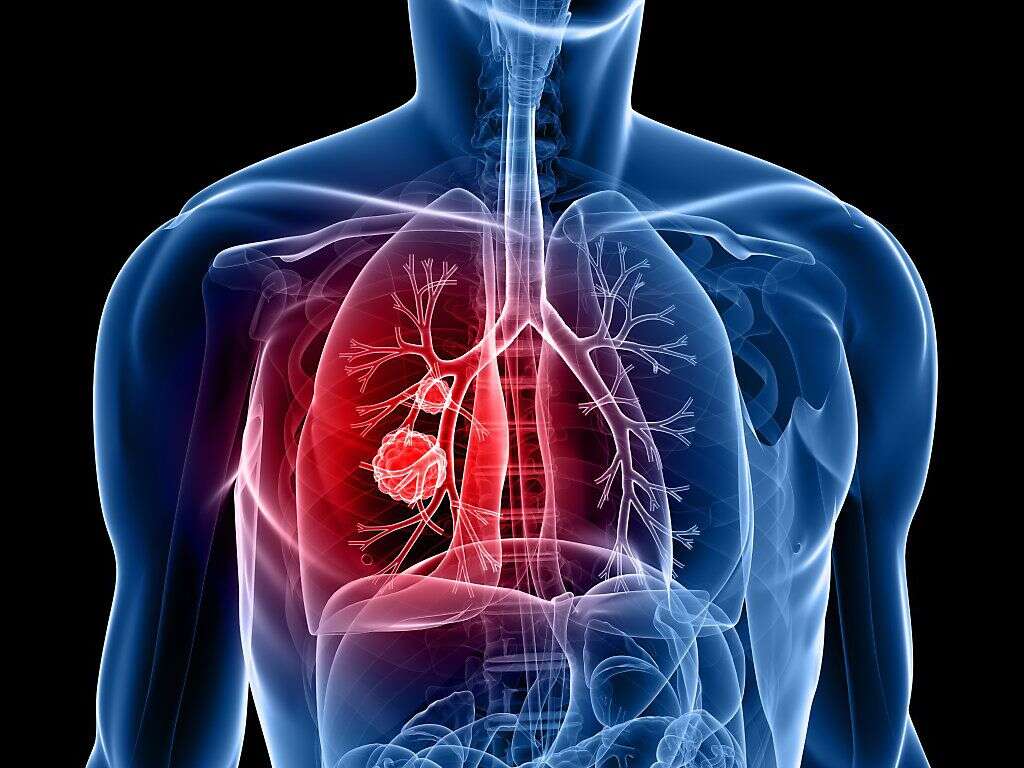
If you develop a tumor in the lungs, such as the case might be if you develop lung cancer, this can impede your ability to breathe properly. This, in turn, can have a negative impact on the alveoli in your lungs and can lead to long-term damage.
Cause #5: Injury
There are a number of injuries that can contribute to atelectasis. Sports players are particularly prone to injuries that can cause non-obstructive atelectasis, but anyone can do something like break a rib or crack their collarbone.
Any injury that impedes a person’s ability to regularly take deep breaths can result in them compressing their lungs. This can lead to atelectasis.
Cause #6: Pleural Effusion
The pleura are tissues that line the lungs and the inner walls of your chest. A pleural effusion is a condition where fluid builds up between these tissues, which can adversely affect our ability to take deep breaths.
As mentioned above, neglecting to take deep breaths can have a negative impact on the health of a person’s alveoli. Over a long period of time this can lead to atelectasis.
Cause #7: Scarring of the Lungs
Scarring of the lung tissue can contribute to atelectasis. There are a number of things that can contribute to scarring of the lung tissue.
Something as simple as coughing excessively due to a serious bout of bronchitis can lead to scarring of the lung tissue. Heavy smokers may find that they are more prone to damaging their lung tissue when they cough. Scars can also emerge as a result of surgery or other injuries.
Cause #8: Pneumonia
Not only can pneumonia and other lung infections cause someone to cough so hard that they damage the tissues in their lungs, but they can actually contribute to atelectasis on their own.
These conditions can make it quite difficult to breathe and can lead to permanent damage of the alveoli if they are not managed properly.
Cause #9: Hypoventilation
Hypoventilation, a term used to describe abnormally slow breathing, is one of the main causes of atelectasis.
Most people experience some degree of atelectasis at some point in their life from hypoventilation, which can be caused by things like general anesthesia or taking too many sleeping pills or painkillers.
Cause #10: Tissue Adhesions
In a healthy person, the tissues inside the body will be slippery.
However, in some cases, these tissues can become sticky and can adhere, or stick together. This makes it difficult for a person to breathe and can lead to conditions like atelectasis.