What Is PCOS?


1. PCOS Explained
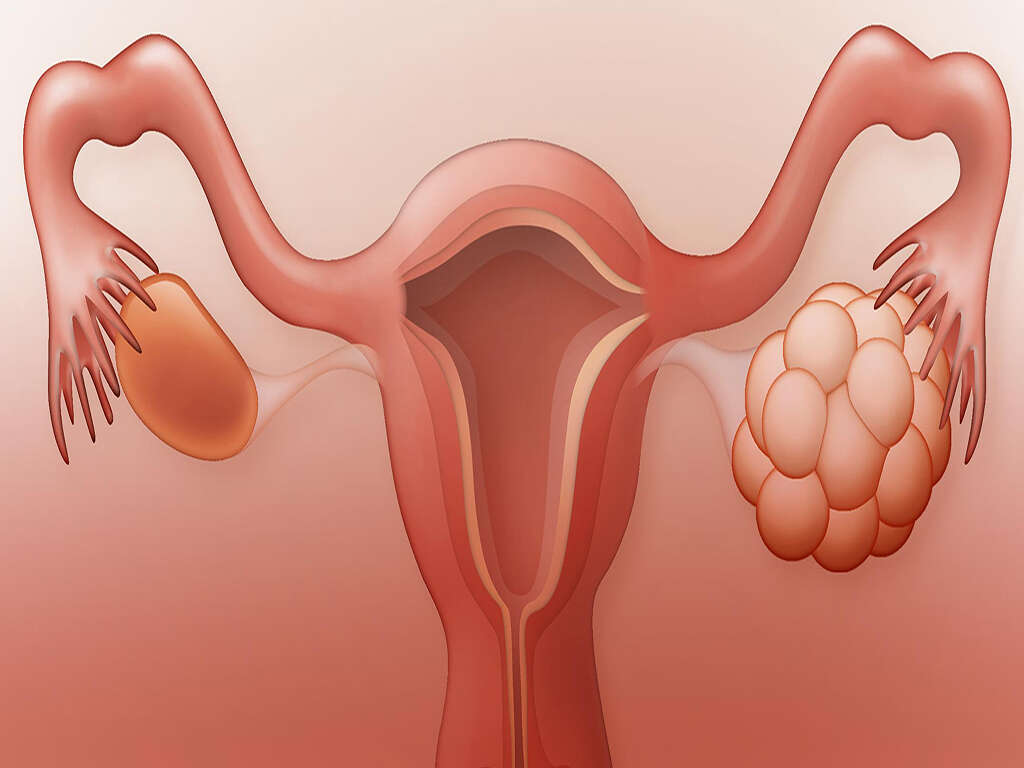
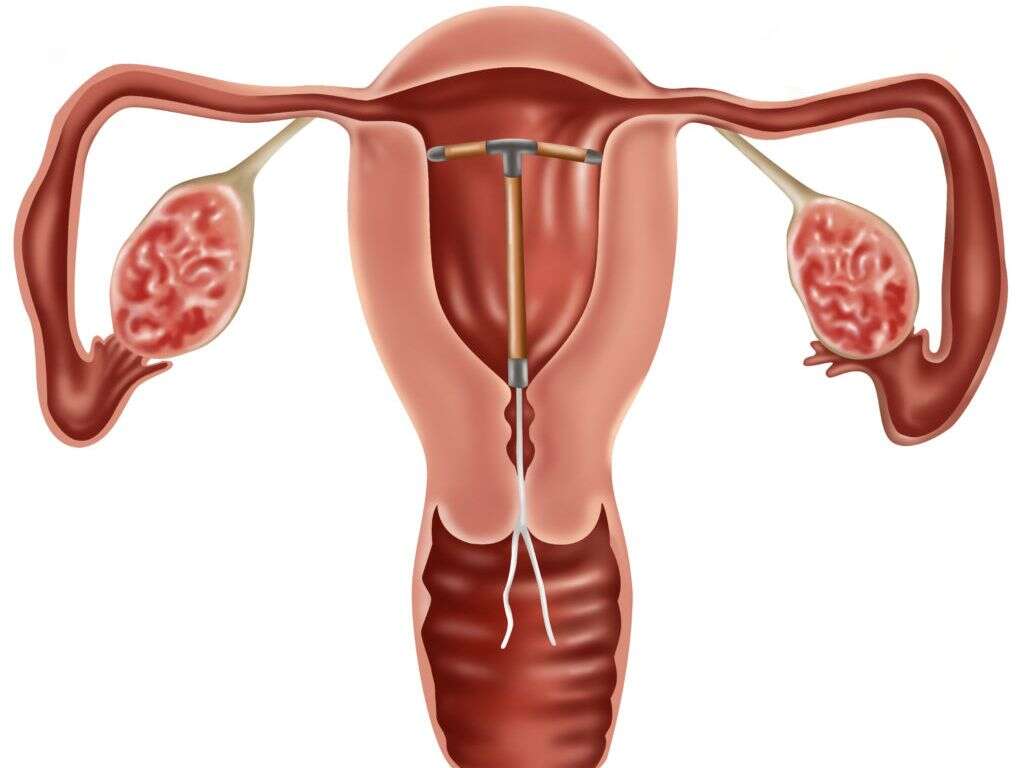
Ovarian follicles are tiny fluid-filled sacs that have the potential to release an egg cell (ovum) at ovulation that may or may not be fertilized by male sperm. Additionally, they can secrete hormones (i.e. androgens and estrogens) that influence the functioning of the menstrual cycle (i.e. ovulation).
Abnormalities in the metabolism of estrogen and androgens are responsible for many PCOS signs and symptoms. This can occur as a result of abnormal interactions between two brain structures (hypothalamus, pituitary) and the ovaries. For instance, in PCOS there is a decrease in the production of a brain hormone (FSH) that is normally in charge of inducing ovarian follicle maturation. This means that ovarian follicles become incapable of producing enough estrogen (estradiol) to enable further follicle maturation and subsequent ovulation. When ovulation doesn’t occur, the ovaries can develop several small cysts (hence the disorder’s name); however, this is not the most important criteria for diagnosis.
On the other hand, increased production of LH in the pituitary boosts androgen production (male sex hormone). Androgens are usually present in small quantities in women because they are swiftly converted to estradiol by ovarian enzymes under FSH stimulation. However, in PCOS there is excess androgen in the blood that can’t be converted into estradiol in the ovary; hence, androgen production increases, and most of it is converted into estrone (a weaker form of estrogen) in fat.