10 Symptoms of Septic Shock


Symptom #1: Low Blood Pressure
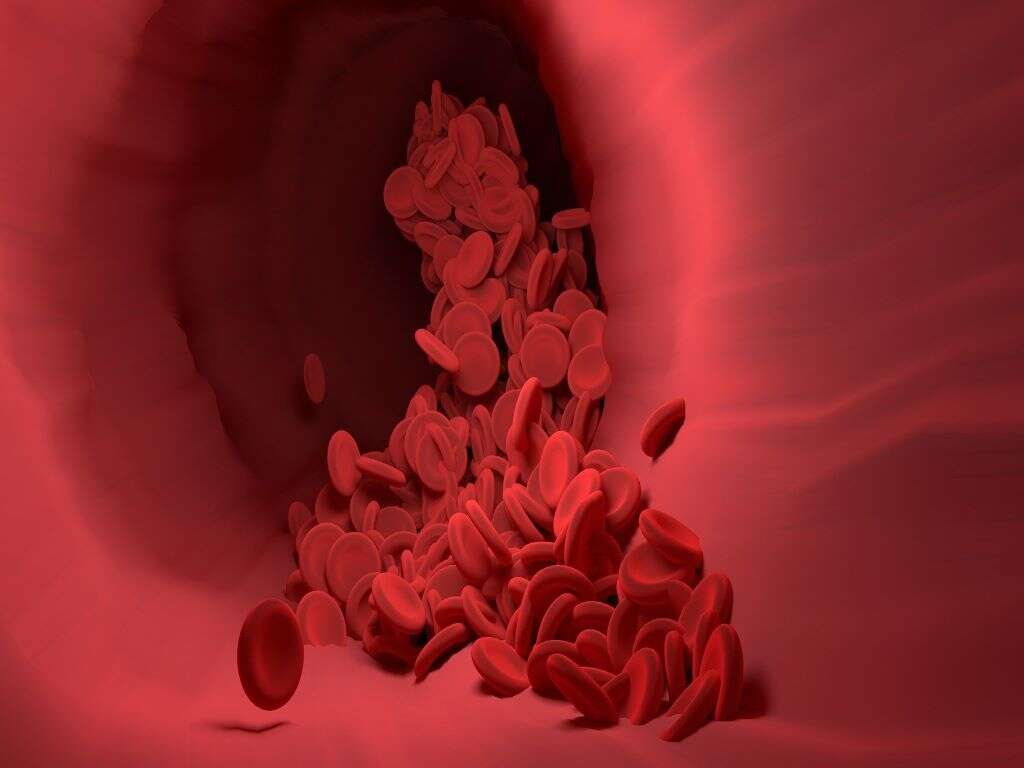
While not readily recognizable without testing, low blood pressure is one of the main septic shock symptoms. It occurs as a result of dilation of most blood vessels in the body. Because sepsis results when infection gets into the bloodstream, the body’s defense mechanism releases large amounts of disease-fighting biochemicals such as cytokines.
Cytokines cause blood vessels to dilate to let blood flow easily to the infection sites. Unfortunately, when blood vessels dilate across the body, blood pressure drops substantially. This is because there is more space inside blood vessels but the volume of blood remains the same. As a result, less blood is available to fill the blood vessels for delivery to all parts of the body. Low blood pressure presents with other septic shock symptoms such as dark urine and dizziness. However, only a doctor can provide a diagnosis of sepsis or septic shock.