Rectal Prolapse Symptoms, Causes and More

 Article Sources
- 1. ‘Rectal Prolapse Expanded Version.’ ASCRS, fascrs.org/patients/diseases-and-conditions/a-z/rectal-prolapse-expanded-version
- 2. ‘Rectal Prolapse: Treatment, Diagnosis, Causes & Symptoms.’ Cleveland Clinic, my.clevelandclinic.org/health/diseases/14615-rectal-prolapse#:~:text=Is rectal prolapse just another, the anus and lower rectum
- 3. Jan Rakinic, MD. ‘Rectal Prolapse Treatment & Management: Approach Considerations, Nonoperative Management, Surgical Options.’ Medscape, 24 July 2020, emedicine.medscape.com/article/2026460-treatment
- 4. Trompetto, Mario, et al. ‘Altemeier’s Procedure for Complete Rectal Prolapse; Outcome and Function in 43 Consecutive Female Patients.’ BMC Surgery, BioMed Central, 3 Jan. 2019, bmcsurg.biomedcentral.com/articles/10.1186/s12893-018-0463-7#:~:text=Altemeier’s procedure is one of the pouch of Douglas
Rectal Prolapse vs. Hemorrhoids
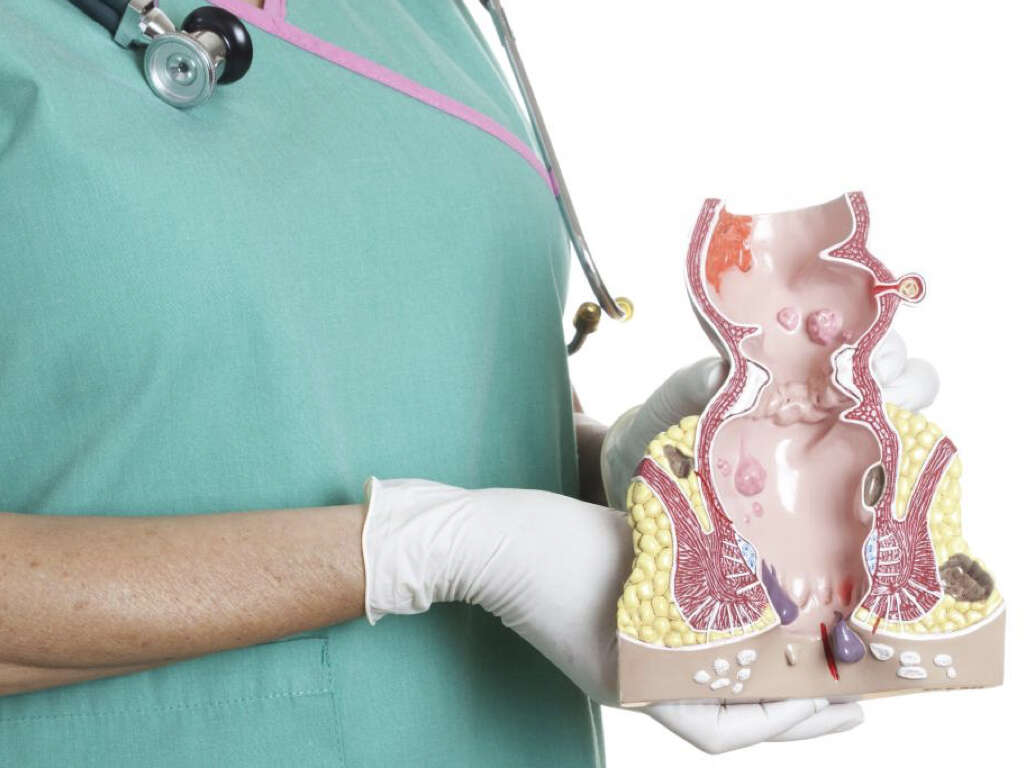
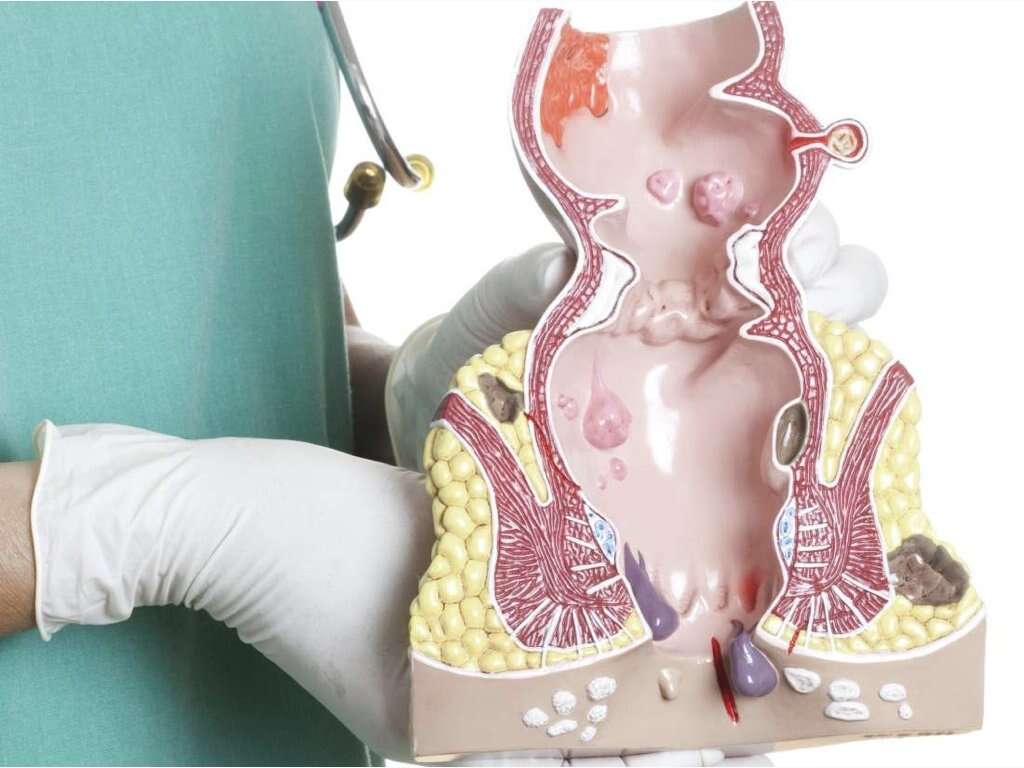
Both hemorrhoids and rectal prolapse may be uncomfortable and excruciating conditions. Initially, rectal prolapse may seem like severe hemorrhoids.2‘Rectal Prolapse: Treatment, Diagnosis, Causes & Symptoms.’ Cleveland Clinic, my.clevelandclinic.org/health/diseases/14615-rectal-prolapse#:~:text=Is rectal prolapse just another, the anus and lower rectum Likewise, hemorrhoids on the anus may seem like a partial rectal prolapse.
Rectal prolapse involves movement of the rectum, whereas hemorrhoids involve the swelling of blood vessels in the anal or rectal walls. Hemorrhoids may itch and become painful despite being the less severe of the two conditions. Red blood on toilet paper may indicate the presence of either hemorrhoids or rectal prolapse.