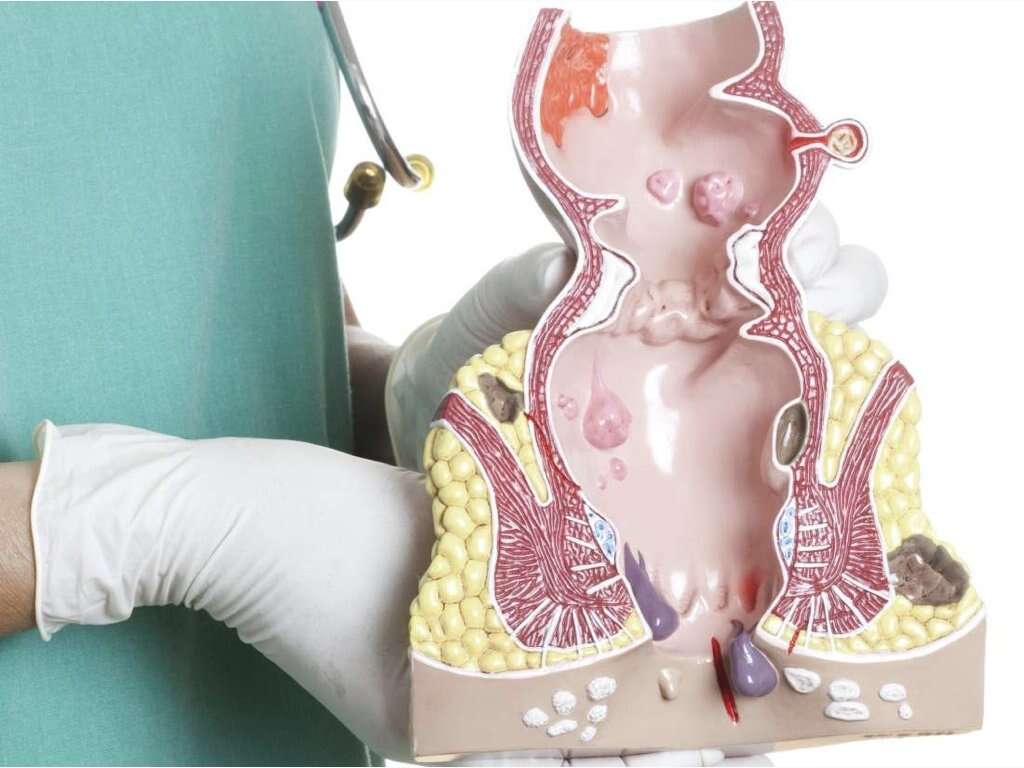
Rectal Prolapse Symptoms, Causes and More

 Article Sources
- 1. ‘Rectal Prolapse Expanded Version.’ ASCRS, fascrs.org/patients/diseases-and-conditions/a-z/rectal-prolapse-expanded-version
- 2. ‘Rectal Prolapse: Treatment, Diagnosis, Causes & Symptoms.’ Cleveland Clinic, my.clevelandclinic.org/health/diseases/14615-rectal-prolapse#:~:text=Is rectal prolapse just another, the anus and lower rectum
- 3. Jan Rakinic, MD. ‘Rectal Prolapse Treatment & Management: Approach Considerations, Nonoperative Management, Surgical Options.’ Medscape, 24 July 2020, emedicine.medscape.com/article/2026460-treatment
- 4. Trompetto, Mario, et al. ‘Altemeier’s Procedure for Complete Rectal Prolapse; Outcome and Function in 43 Consecutive Female Patients.’ BMC Surgery, BioMed Central, 3 Jan. 2019, bmcsurg.biomedcentral.com/articles/10.1186/s12893-018-0463-7#:~:text=Altemeier’s procedure is one of the pouch of Douglas
Causes
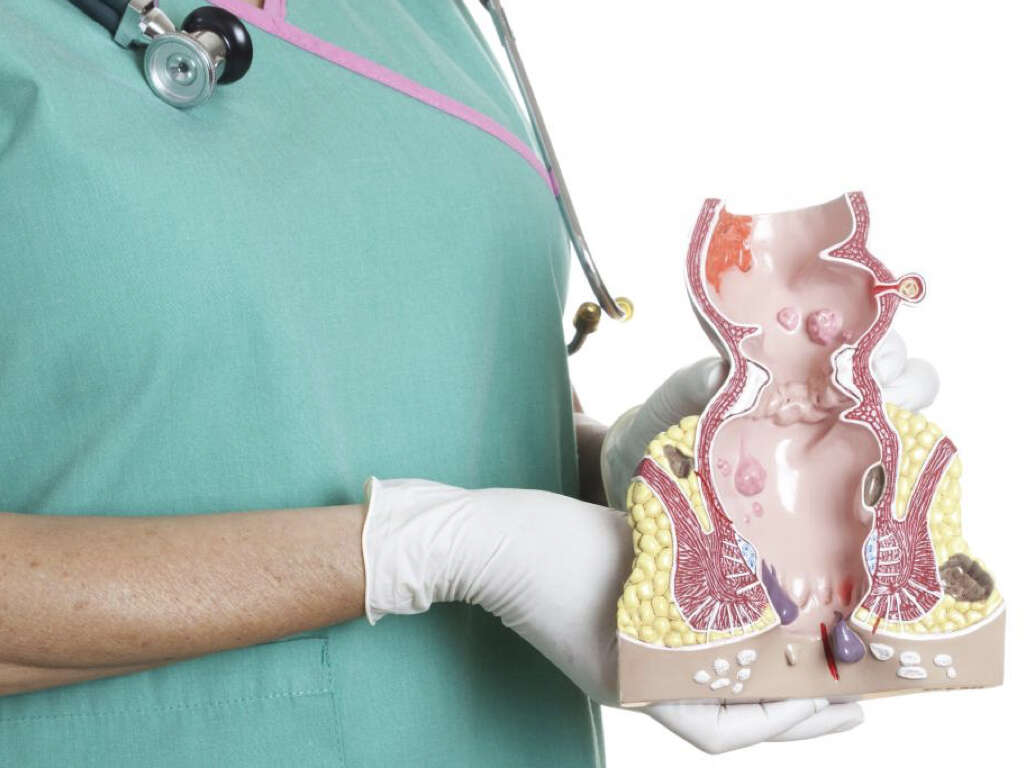
Several medical conditions may cause rectal prolapse. These include nerve damage, a weakened anal sphincter and chronic constipation. Damage to the nerves that control the anal and rectal muscles may lead to rectal prolapse. Nerve damage may occur due to pelvic surgery, a spinal injury or pregnancy.
The anal sphincter muscle allows stool to pass through the rectum. Pregnancy, childbirth and age may weaken it. Chronic constipation may also strain the rectum and push it down, especially when strained bowel movements occur over many years.