Pulmonary Embolism Symptoms


1. DVT Blood Clots
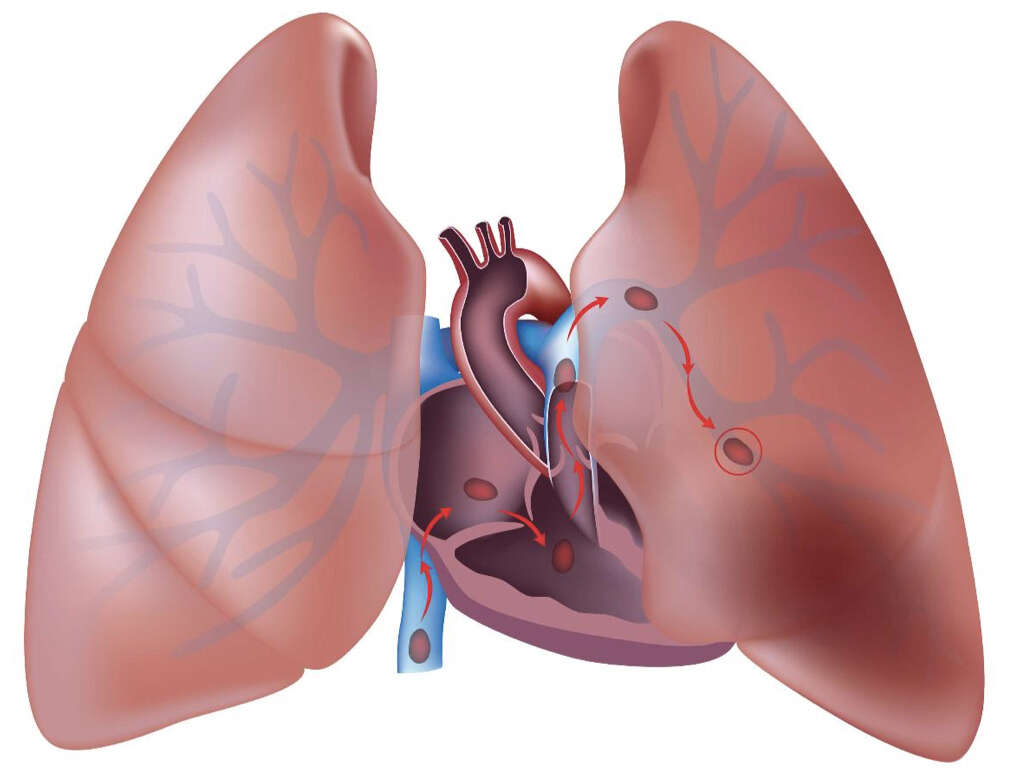
Any substance that could block the flow of blood through the pulmonary arteries, such as air bubbles or tumor fragments, can become an embolism. However, the most common cause of PE is a blood clot that forms in the deep veins of the legs or, more rarely, the arms. The medical term for this condition is deep vein thrombosis. The clot breaks off and travels through the bloodstream to the lungs, where it forms a pulmonary embolism that blocks the flow of blood.
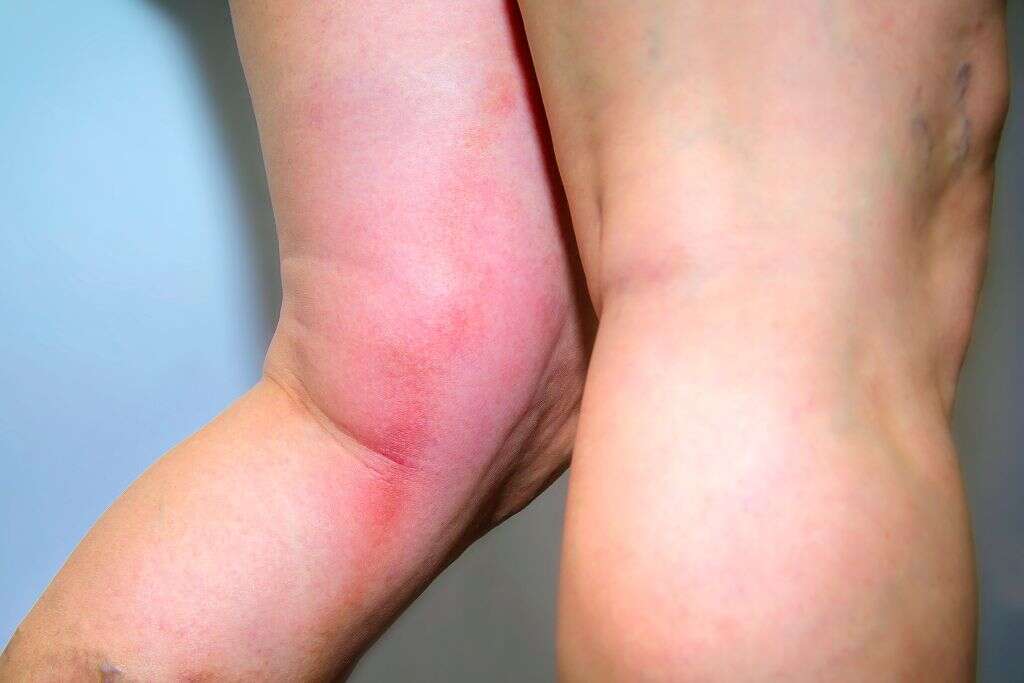
Unfortunately, a DVT sometimes occurs without any symptoms at all. It can form a pulmonary embolism before you even know there is a problem. Other times, however, a DVT causes symptoms in the lower leg where clots usually occur. Due to a partial blockage of the vein, the calf may swell up and become red in the area of the clot. This may be accompanied by a persistent pain that is throbbing and feels like a cramp, or a sensation of tightness in the calf muscle. Symptoms of a DVT should be evaluated as soon as possible. If the clot is successfully treated, a pulmonary embolism may be avoided altogether.