What Does the Pancreas Do?


Reviewed: Dr. Mera
1. Exocrine Pancreas
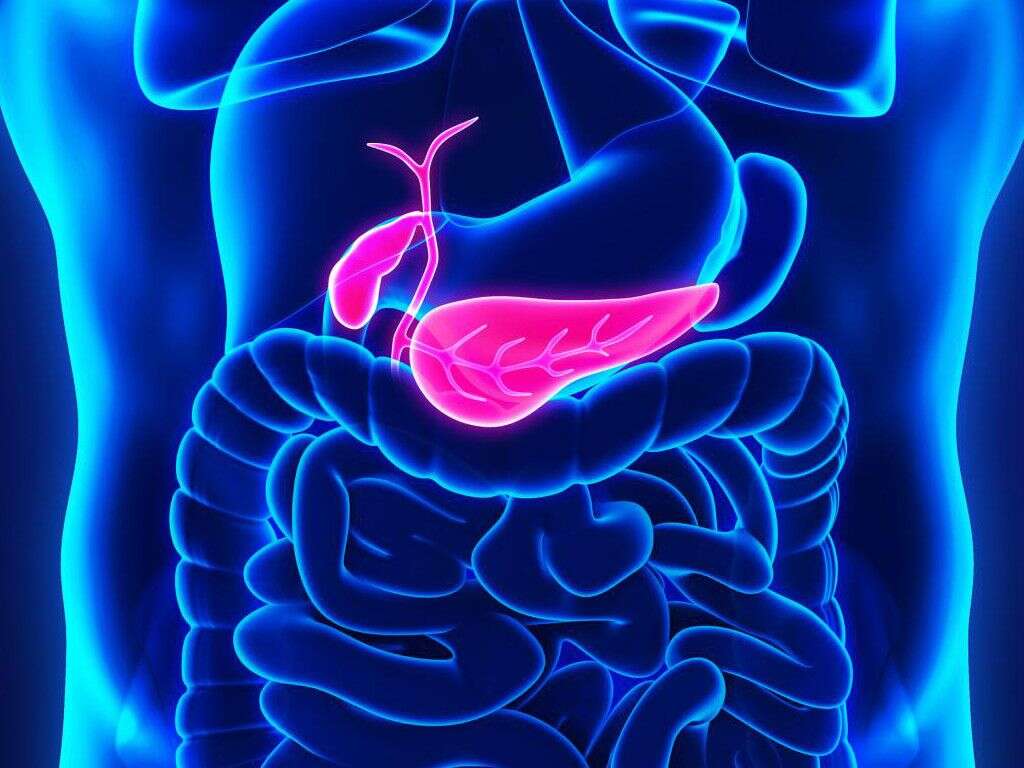
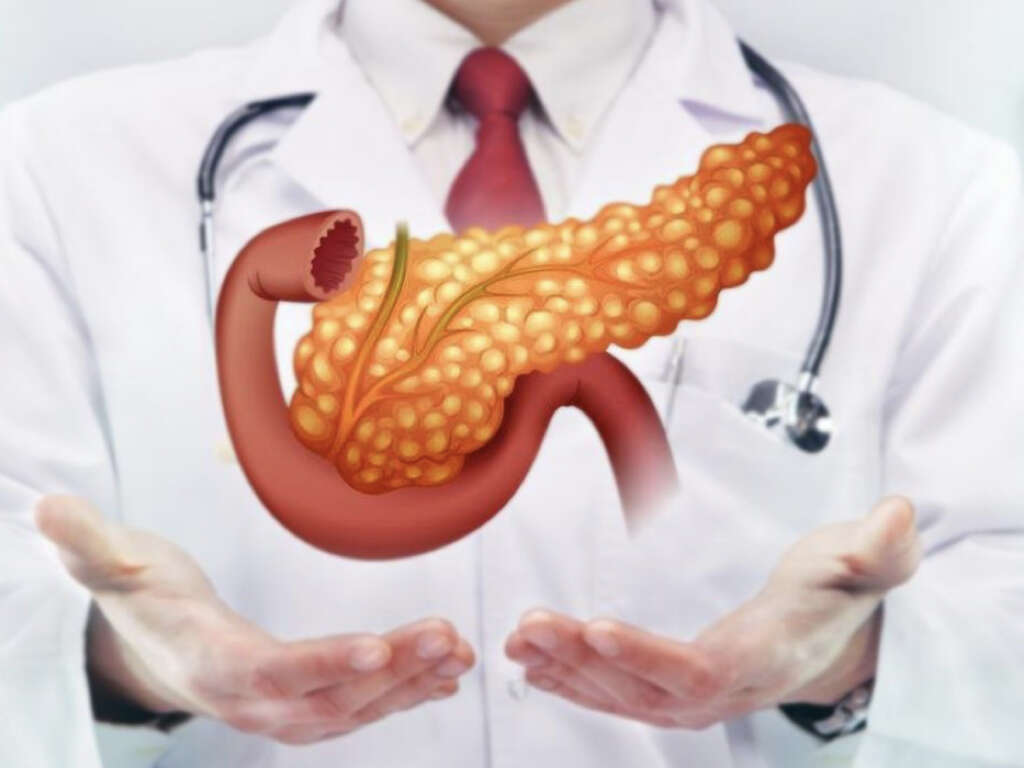
The exocrine function of the pancreas produces enzymes necessary for the digestion of food. Acinar cells, which carry out exocrine functions, form the bulk of pancreatic tissues. These cells produce the following enzymes: trypsin, chymotrypsin, amylase, and lipase. Once the enzymes are produced, they flow through small ducts that join with others to form progressively larger ducts that lead into the main pancreatic duct.
The pancreatic duct runs through the length of the pancreas, collecting the fluid containing enzymes and transporting it to the duodenum. The three main groups of pancreatic enzymes are protease, lipase, and amylase.