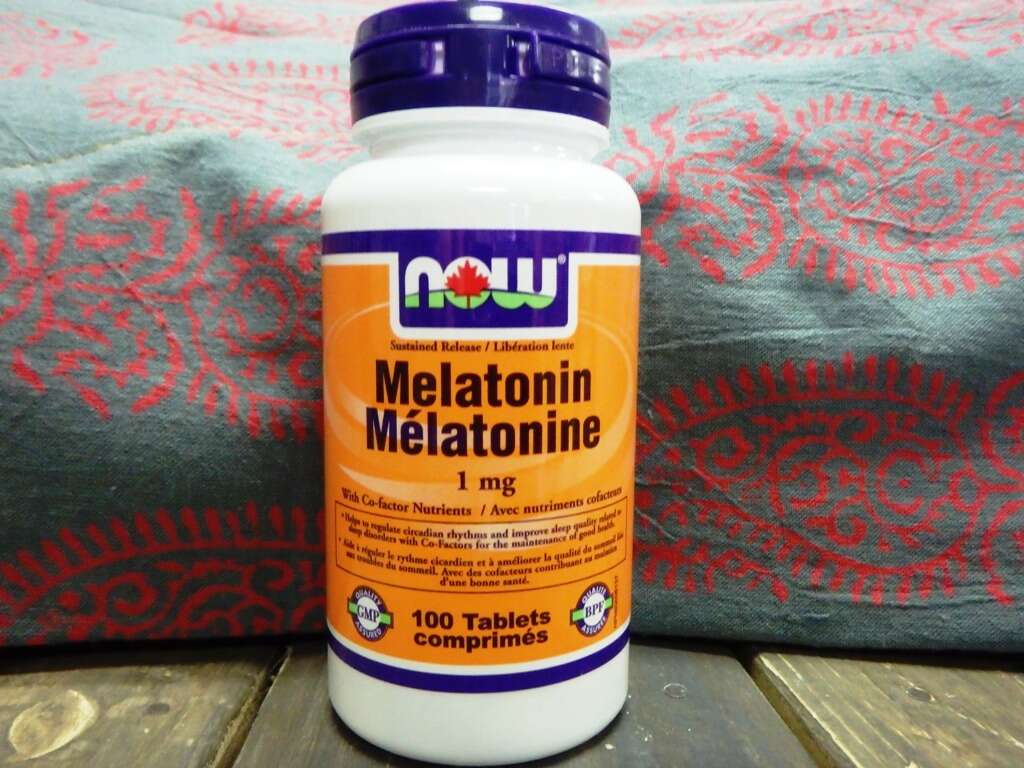
What Does Melatonin Do?

By Kevin
Part 3 of 10
3. Circadian Rhythm and Melatonin
Melatonin is not exclusively responsible for creating healthy sleeping patterns. The hormone works in conjunction with the body’s natural circadian rhythm. Essentially, a circadian rhythm is a person’s internal clock. Also known as a sleep/wake cycle, the rhythm is controlled by the brain and helps a person have a consistent experience with sleep. The hypothalamus dictates the rhythm and signals the body to produce melatonin when light levels begin to diminish. Though a circadian rhythm will remain somewhat consistent, external factors like prolonged exposure to light can disrupt the natural flow and cause issues with healthy melatonin production.
Advertisement
A person’s typical circadian rhythm can also be altered when he or she makes drastic life changes. If someone is used to working a standard 9-5 shift and changes jobs to work overnight shifts, it will create some sleep issues at first. The longer a person repeats his or her new schedule, however, the easier it is for the circadian rhythm to adjust to match it.
Advertisement