10 Causes of Urticaria


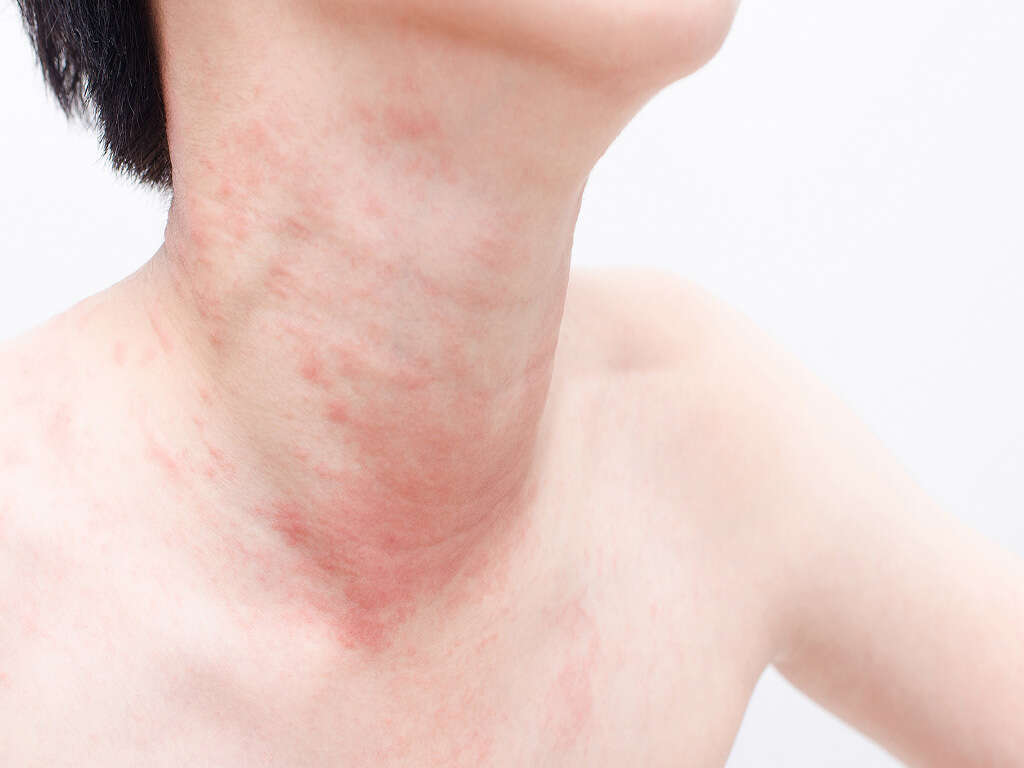
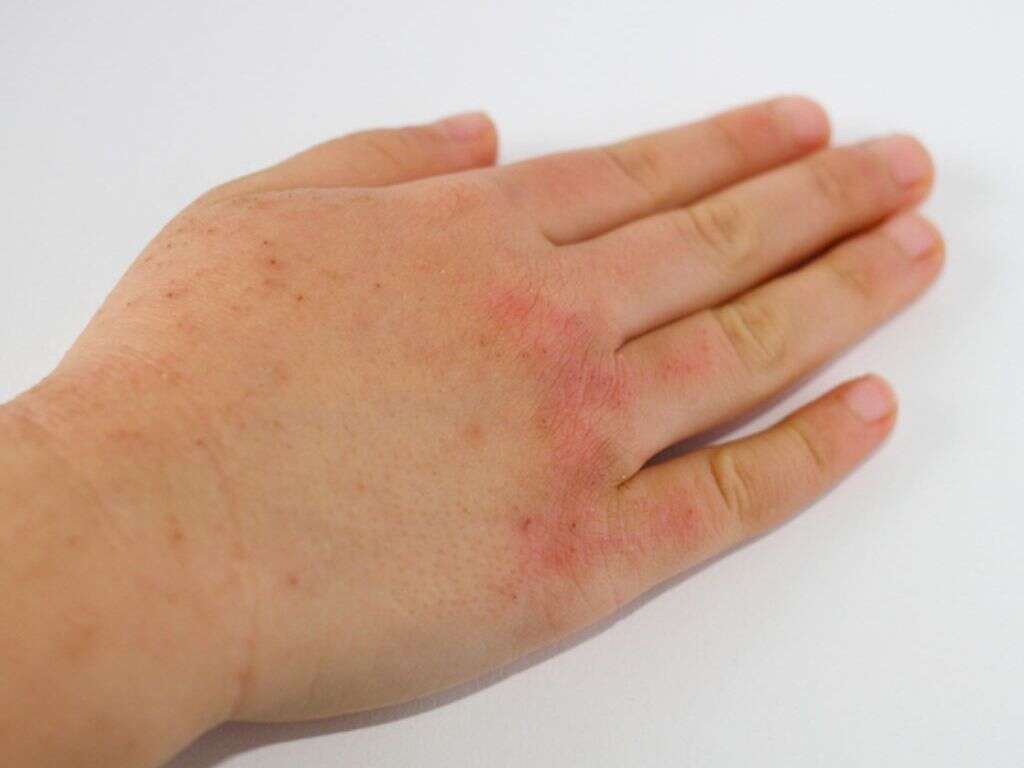
Urticaria is a medical term used to describe hives, a symptom that many of us are familiar with. Hives are bothersome welts that can show up anywhere on the human skin. These welts can often be itchy and they can vary tremendously in size—some are as small as a pinprick whereas others can grow to cover the entirety of someone’s torso. Some welts may overlap or connect to form the appearance of massive welts. Generally, a hive will disappear overnight; however, that doesn’t mean that the problem will be gone—quite the contrary. In fact, new hives tend to appear as old ones disappear for the duration that a person is struggling with a break out. An actual break out of hives can last a few hours to a few weeks.
There are two main types of hives: acute hives and chronic hives. Acute hives occur in outbreaks that last less than six weeks. Chronic hives will endure for more than 6 weeks. A more serious related condition referred to as angioedema occurs when fairly big welts happen a little bit deeper underneath the skin. If this happens as a result of regular hives, patients may notice that they experience swelling in the eyelids or lips. If this becomes apparent, you should seek medical treatment immediately.
Many people first experience hives as the result of an allergy, sometimes to pollen or to a bee sting. However, there are far more things that can cause hives than simply allergies. In this article, we’re going to discuss the ten most common causes of urticaria that you are likely to come across.
Cause #1: Allergies to Food
The most common cause of hives is an allergy. People can develop allergies to many different things and one of the most common things is food. Common foods that cause allergies are citrus fruits, milk, nuts, and shellfish.
If you experience hives in addition to symptoms like a runny nose, sneezing or coughing, watery eyes, or other respiratory problems, it might be safe to assume that you have an allergy. If this is the case, try to identify the allergen and avoid exposure to it.
Cause #2: Medicine
If you have recently started taking a new medication and have begun to experience hives since then, it’s relatively safe to assume that the medication might have caused your hives. There are several reasons that medications can cause hives.
The first can simply be an unwanted side effect of the medication. Another would be that the patient is actually allergic to the medicine in question and is experiencing an allergic reaction.
Cause #3: Bug Bites
One of the most common images that comes to mind for people when they think of allergies or hives is the wasp and its powerful sting. However, there are many bug bits that can contribute to allergy-like symptoms, especially hives.
Mosquitos, spiders, and flies are just a few critters that can leave you with welts on your skin if you’re not careful.
Cause #4: Allergy Shots
Allergy shots are a way to prime your body in preparation for allergies. They do this by introducing small amounts of an allergen into the body. The result of this is that a person usually feels some sort of immediate allergic reaction.
This can include many of these symptoms experienced during a normal allergic reaction, ranging from itchy eyes to full break outs in hives.
Cause #5: Infection
There are a huge number of different infections that can lead to hives. Infections that target anywhere in the body—the stomach, the genitals, the lungs, the brain, even common infections from cuts and scratches—can lead to a break out in hives.
In these cases, the hives generally aren’t directly caused by the infections themselves. Instead, they are caused by the body’s response to the infection.
Cause #6: Exposure to Sun
In some people, simple exposure to the sun may be enough to trigger a break out of hives. This condition, which is referred to as solar urticaria, is quite rare. Patients who struggle with the condition have an extreme sensitivity to ultraviolet radiation and, in some cases, can be so sensitive that visible light causes them to experience a break out in hives.
The hives can target any part of their body, regardless of whether it came into contact with the light, even if the area is covered by clothing or another article.
Cause #7: Exercise
Exercise-induced urticaria is a condition in which the body responds to intense exercise with hives. In many people, they will experience other allergic responses in addition to the hives when they are exercising.
This can occur because the body of someone struggling with this problem will produce histamine while they are exercising. Histamine is the compound that is responsible for the majority of these allergic reactions; this is why over-the-counter antihistamines are the main drugs used to help manage mild-to-moderate allergies.
Cause #8: Body Products
Things like cosmetics, soap, perfume and cologne, and various lotions have all been known to contribute to hives. Fortunately, most people tend to only experience hives when they switch to a new product.
This makes it much easier to identify what’s actually in the product that causes your allergies. If you’ve switched to a new product that contains an ingredient you’ve never used before, try switching to a different product without that ingredient.
Cause #9: Friction
Some portion of the population have a condition that is known as dermatographism. This is a condition in which patients are hypersensitive to friction.
In people with this condition, rubbing or scratching the skin can result in the emergence of hives. If the hives are continually rubbed or bothered, they will generally continue to get more intense. Wearing loose clothing and avoiding heavy physical contact is the best way to limit these break outs.
Cause #10: Pregnancy
Pregnant women can be prone to fairly intense bouts of hives and rashes. Some pregnant women will develop a more serious skin problem referred to as PUPP, which will require medical attention.
Hives can still be caused by any of the above things. However, since a pregnant woman’s skin is generally drier and stretchier than others, they are more susceptible to experiencing any of these problems.