10 Paresthesia Symptoms
Part 3 of 10
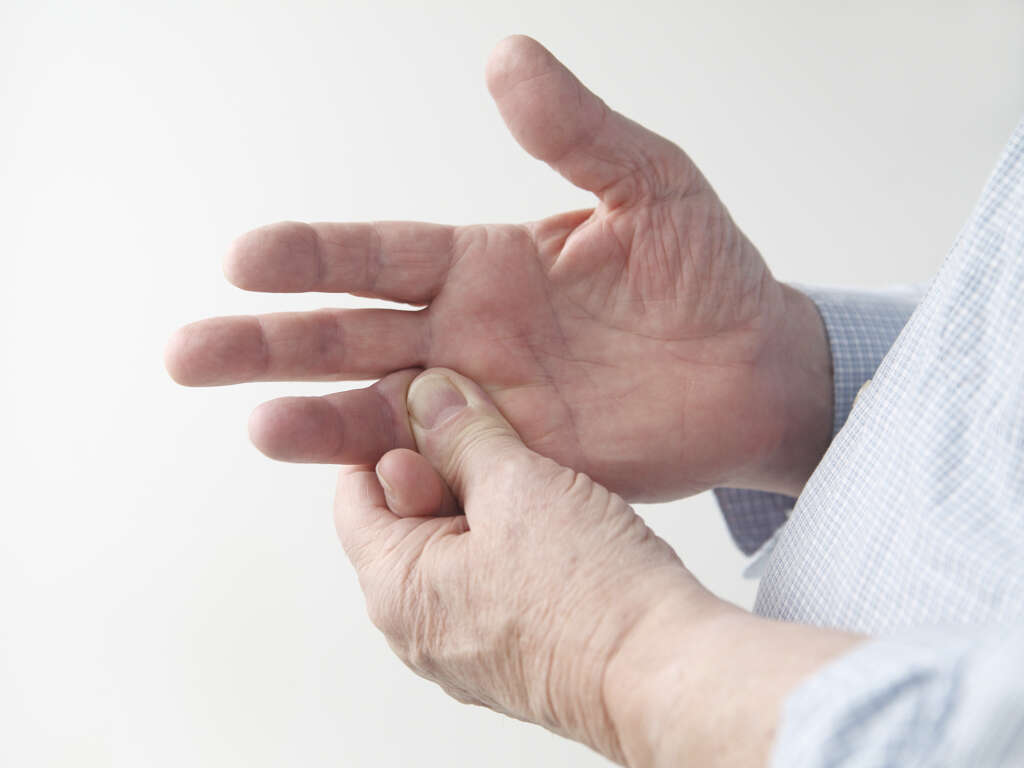
3. Numbness
Numbness in the body’s extremities, most frequently in the legs and feet, is a common symptom of paresthesia. Numbness describes the loss of the ability to sense or feel pressure in a part of the body. This loss of feeling can be either complete or partial.
Advertisement
Damage, irritation or compression of nerves cause the parts of the body to feel numb. People can prevent temporary numbness by moving out of awkward positions. Resolving numbness caused by chronic paresthesia usually requires medical attention.2

Advertisement
Recommended


Article sources (4)
- 1.’Paresthesia Information Page.’ National Institute of Neurological Disorders and Stroke, U.S. Department of Health and Human Services, www.ninds.nih.gov/Disorders/All-Disorders/Paresthesia-Information-Page#disorders-r2
- 2.’Numbness.’ Mayo Clinic, Mayo Foundation for Medical Education and Research, 22 June 2021, https://www.mayoclinic.org/symptoms/numbness/basics/definition/sym-20050938
- 3.'Exclusive Content.' News, www.msfocusmagazine.org/Magazine/Magazine-Items/13-Points-about-Paresthesia
- 4.'Understanding the ‘Pins and Needles’ Feeling.' Understanding the 'Pins and Needles' Feeling - Health Encyclopedia - University of Rochester Medical Center, www.urmc.rochester.edu/encyclopedia/content.aspx?ContentTypeID=1&ContentID=58