10 Iodine Rich Foods

Part 4 of 10
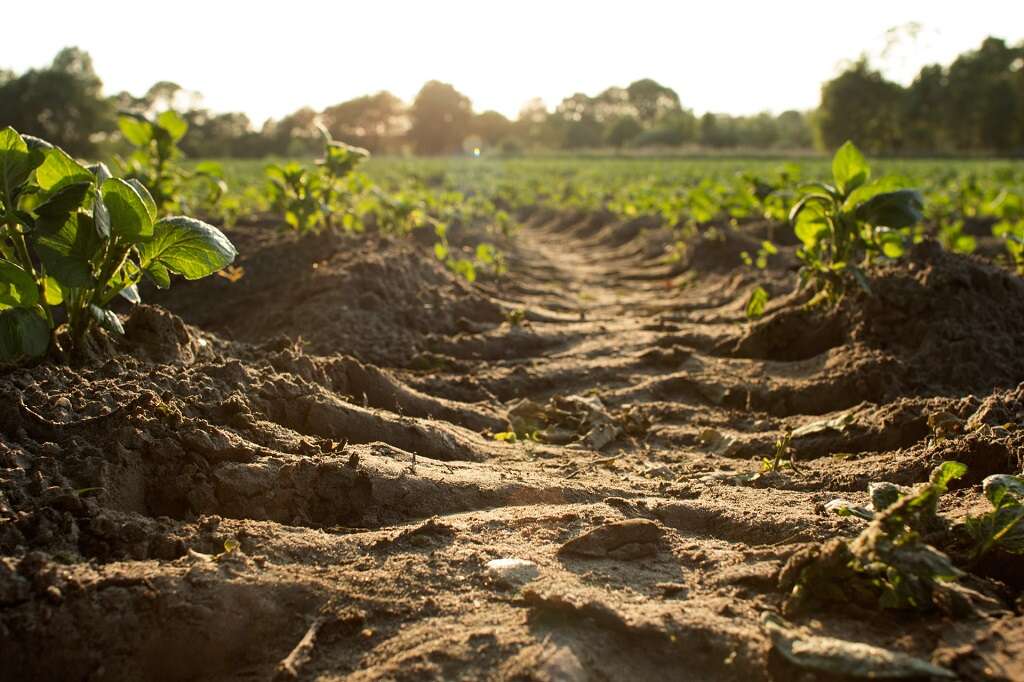
4. Plants Grown In Iodine-Rich Soil
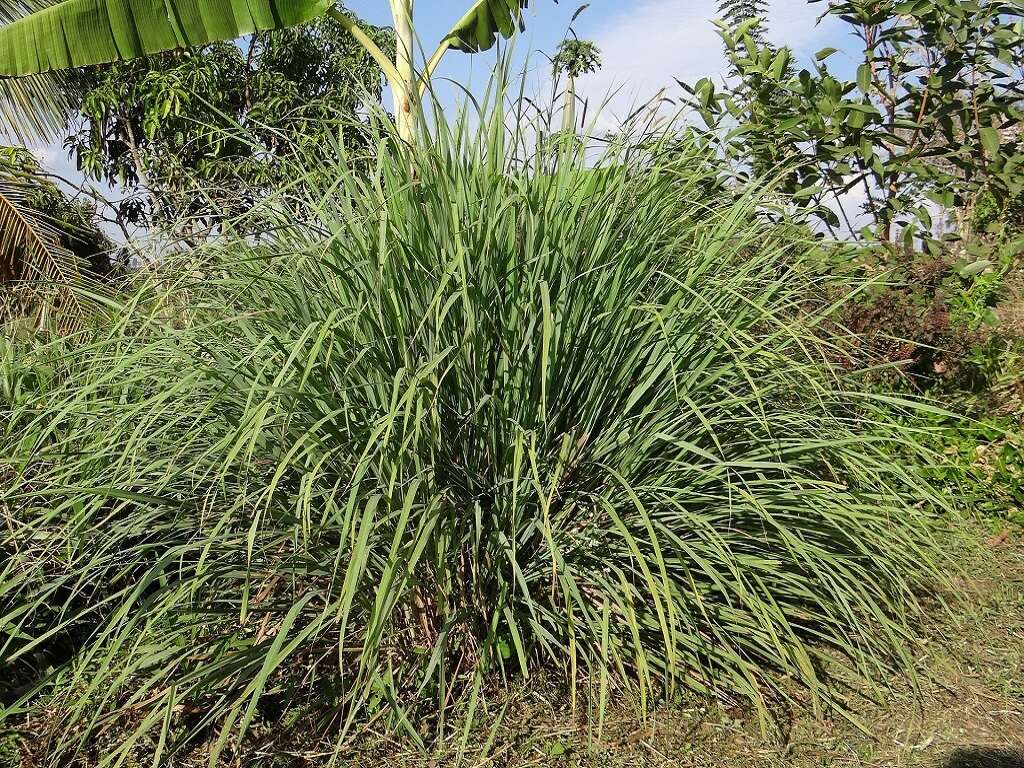
Soils worldwide contain varying amounts of iodine. This variance directly affects the iodine levels in the crops grown. Therefore, food grown in areas of the world with iodine-deficient soils will naturally contain low iodine levels. This iodine deficiency increases the risk of iodine deficiency among the people who consume these foods.
Advertisement
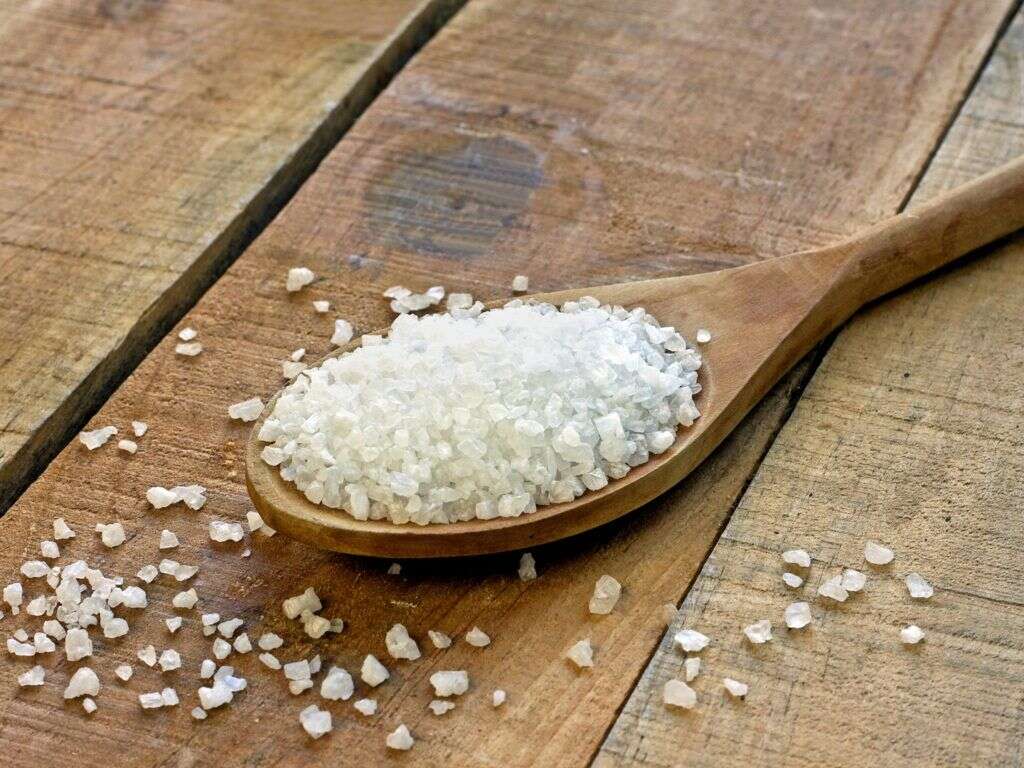
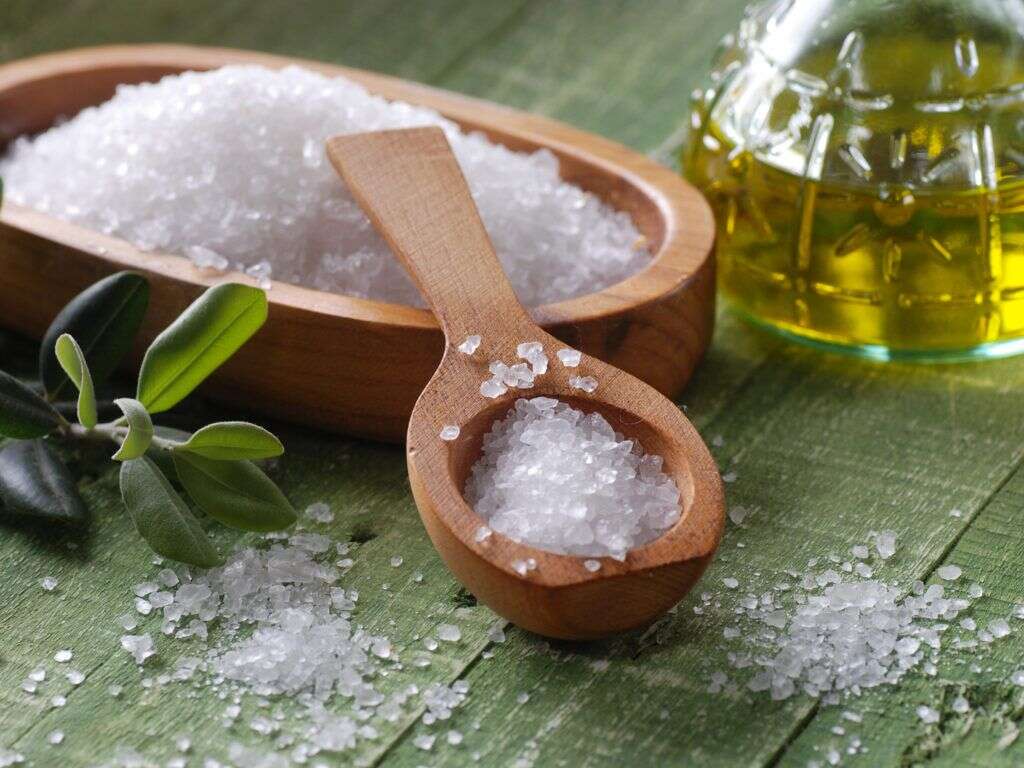
As a result, many countries have adopted salt iodization programs to combat this deficiency and have dramatically reduced the prevalence of iodine deficiency in their populations.3
Advertisement
Recommended
Article sources (6)
- 1.'Iodine in Diet: MedlinePlus Medical Encyclopedia' MedlinePlus, U.S. National Library of Medicine, medlineplus.gov/ency/article/002421.htm
- 2.Gunnarsdottir, Ingibjörg, et al. 'Iodine Intake and Status in Iceland through a Period of 60 Years.' Food & Nutrition Research, CoAction Publishing, 27 May 2009, www.ncbi.nlm.nih.gov/pmc/articles/PMC2691155/
- 3.Yeh, Tai Sheng, et al. 'Analysis of Iodine Content in Seaweed by GC-ECD and Estimation of Iodine Intake.' Journal of Food and Drug Analysis, No Longer Published by Elsevier, 17 Feb. 2014, www.sciencedirect.com/science/article/pii/S1021949814000155
- 4.'Office of Dietary Supplements - Iodine.' NIH Office of Dietary Supplements, U.S. Department of Health and Human Services, ods.od.nih.gov/factsheets/Iodine-HealthProfessional/
- 5.'Office of Dietary Supplements - Iodine.' NIH Office of Dietary Supplements, U.S. Department of Health and Human Services, ods.od.nih.gov/factsheets/Iodine-Consumer/
- 6.Aquaron R;Delange F;Marchal P;Lognoné V;Ninane L; 'Bioavailability of Seaweed Iodine in Human Beings.' Cellular and Molecular Biology (Noisy-Le-Grand, France), U.S. National Library of Medicine, pubmed.ncbi.nlm.nih.gov/12146713/