What is a Flexitarian Diet?
Part 8 of 10
8. Flexitarian Strategies
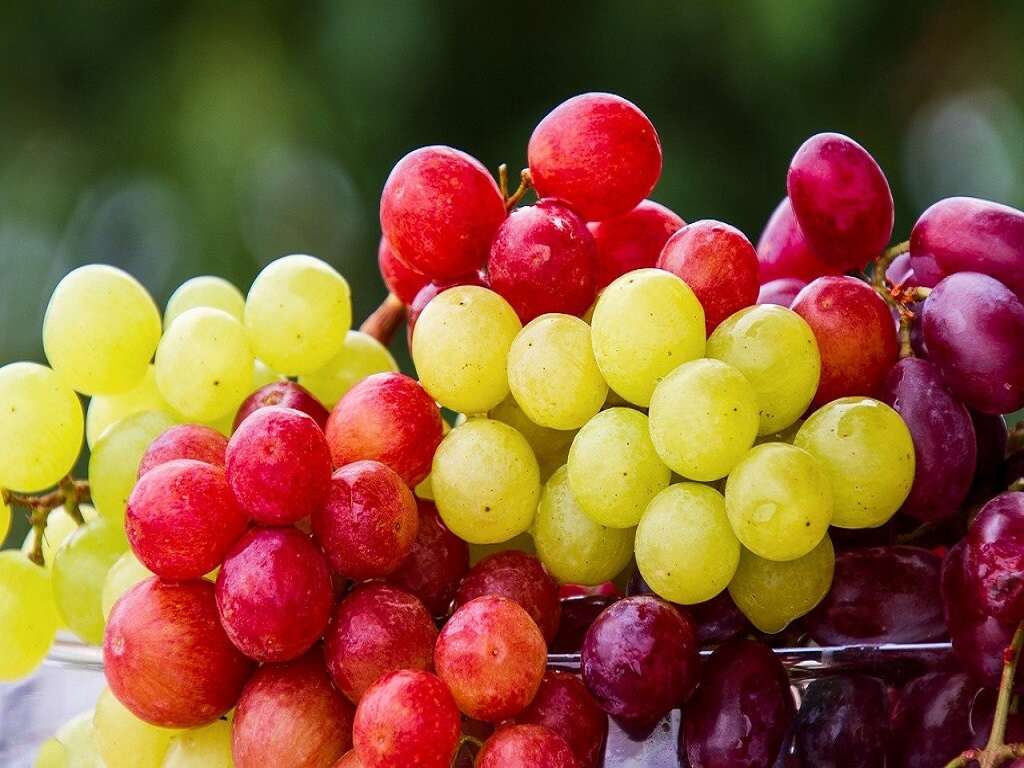
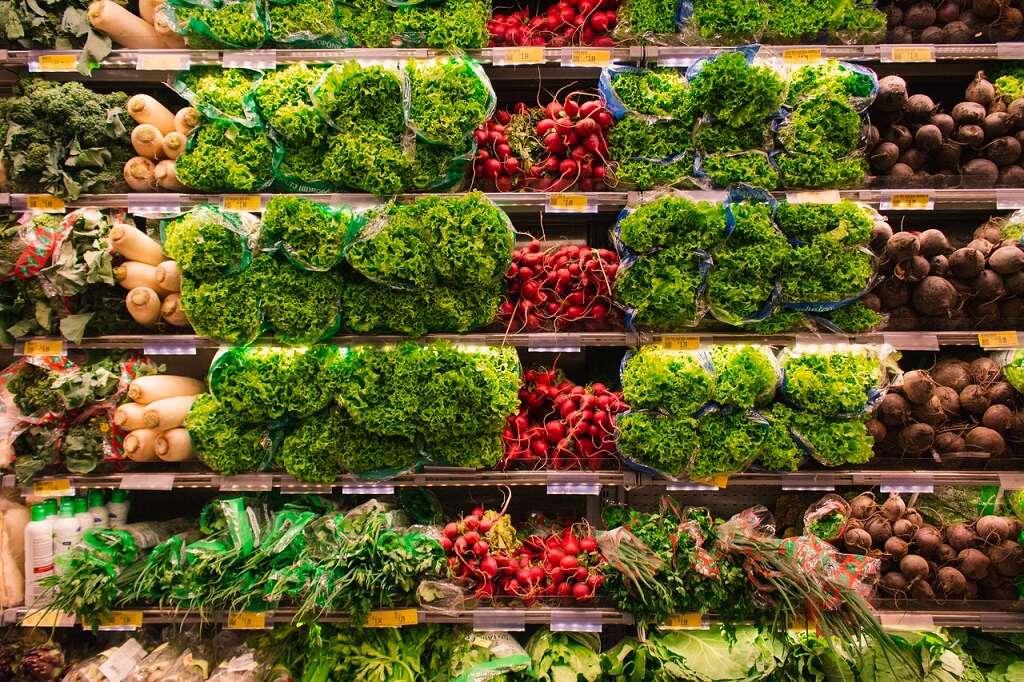
Slowly transitioning to flexitarianism helps achieve long-term dietary changes. Placing animal products at the end of a grocery list can be a good strategy. The first selections should be fresh, frozen or canned vegetables followed by fruits, dried beans and whole grains.1
Advertisement
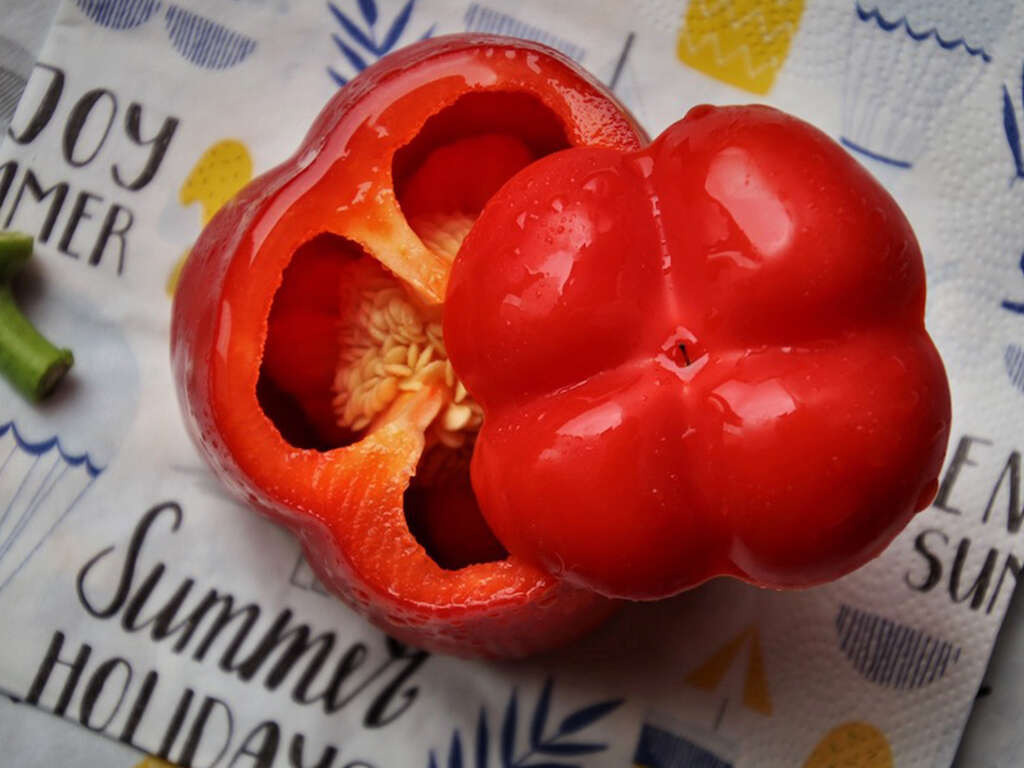
Reportioning focuses on minimizing meat portions on a plate. Beginners can designate 25 percent of the plate to meat, fish or poultry and another 25 percent to whole grains. The remaining 50 percent is for fruits and vegetables.3
Advertisement
Recommended

Article sources (5)
- 1.'It's Time to Try Meatless Meals.' Mayo Clinic, Mayo Foundation for Medical Education and Research, 20 Aug. 2020, www.mayoclinic.org/healthy-lifestyle/nutrition-and-healthy-eating/in-depth/meatless-meals/art-20048193
- 2.Derbyshire, Emma J. 'Flexitarian Diets and Health: A Review of the Evidence-Based Literature.' Frontiers in Nutrition, Frontiers Media S.A., 6 Jan. 2017, www.ncbi.nlm.nih.gov/pmc/articles/PMC5216044/
- 3.'Flexitarian Diet and Weight Control: Healthy or Risky Eating Behavior?' Frontiers, www.frontiersin.org/articles/10.3389/fnut.2018.00059/full
- 4.'Flexitarian Diet: Flexible Approach to Focusing on Plant Foods.' American Institute for Cancer Research, 30 Apr. 2021, www.aicr.org/cancer-prevention/food-facts/flexitarian-diet/
- 5.Ritchie, Hannah, et al. 'Potential of Meat Substitutes for Climate Change Mitigation and Improved Human Health in High-Income Markets.' Frontiers in Sustainable Food Systems, vol. 2, 2018, doi:10.3389/fsufs.2018.00016