What is a Flexitarian Diet?
Part 3 of 10
3. Weight Loss
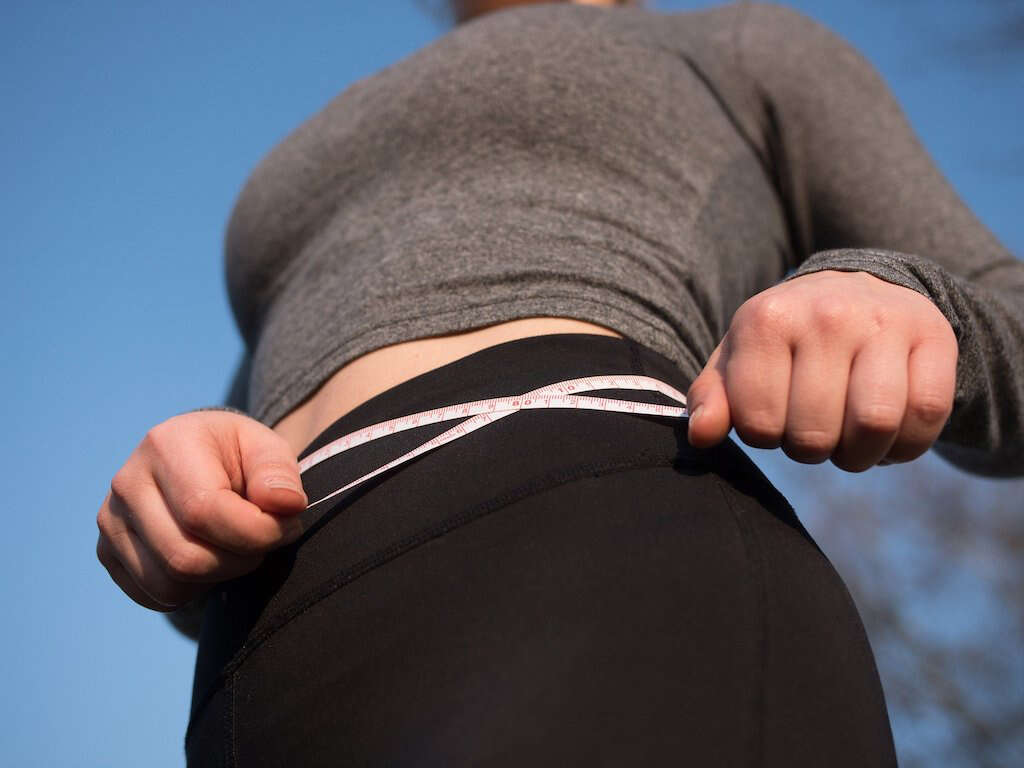
Vegetarians generally weigh less than nonvegetarians. Approximately 36.5 percent of all adults in the United States are obese, while only about 6 percent of self-identified vegetarians are obese.3
Advertisement
Some studies find that flexitarians have lower average body weights than people that do not limit meat consumption. This trend may be due to several factors. Meat dishes may contain a lot of saturated fat and calories. Fruits and vegetables are high in fiber, which contributes to a feeling of fullness that discourages overeating.3

Advertisement
Recommended



Article sources (5)
- 1.'It's Time to Try Meatless Meals.' Mayo Clinic, Mayo Foundation for Medical Education and Research, 20 Aug. 2020, www.mayoclinic.org/healthy-lifestyle/nutrition-and-healthy-eating/in-depth/meatless-meals/art-20048193
- 2.Derbyshire, Emma J. 'Flexitarian Diets and Health: A Review of the Evidence-Based Literature.' Frontiers in Nutrition, Frontiers Media S.A., 6 Jan. 2017, www.ncbi.nlm.nih.gov/pmc/articles/PMC5216044/
- 3.'Flexitarian Diet and Weight Control: Healthy or Risky Eating Behavior?' Frontiers, www.frontiersin.org/articles/10.3389/fnut.2018.00059/full
- 4.'Flexitarian Diet: Flexible Approach to Focusing on Plant Foods.' American Institute for Cancer Research, 30 Apr. 2021, www.aicr.org/cancer-prevention/food-facts/flexitarian-diet/
- 5.Ritchie, Hannah, et al. 'Potential of Meat Substitutes for Climate Change Mitigation and Improved Human Health in High-Income Markets.' Frontiers in Sustainable Food Systems, vol. 2, 2018, doi:10.3389/fsufs.2018.00016