What is a Flexitarian Diet?
Part 10 of 10
10. Potential Risks
Promoters claim that vegan and vegetarian diets are perfectly healthy. However, those following a vegan diet can experience nutritional deficiencies. A flexitarian diet doesn’t exclude any food groups, so the risk of nutrient deficiencies is low.2
Advertisement
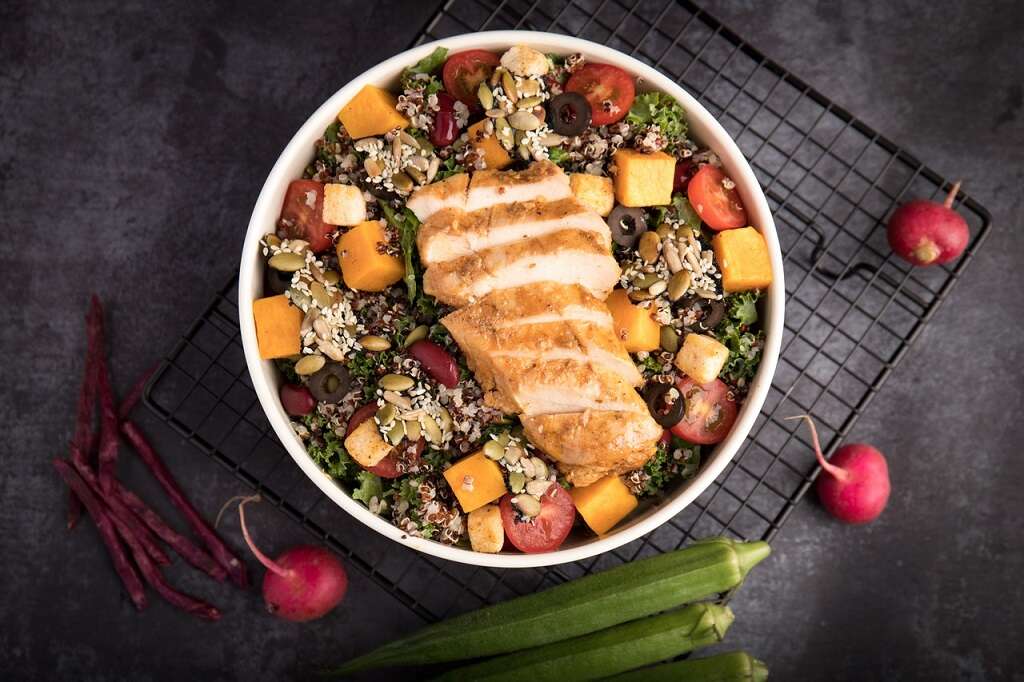
Reducing meat consumption, sugar intake and processed foods and eating a balanced diet with a wide variety of foods containing essential nutrients is advantageous. Flexitarians can benefit from protein in occasional meat or fish dishes and the wide range of nutrients in milk, yogurt and cheese.2
Advertisement
Recommended


Article sources (5)
- 1.'It's Time to Try Meatless Meals.' Mayo Clinic, Mayo Foundation for Medical Education and Research, 20 Aug. 2020, www.mayoclinic.org/healthy-lifestyle/nutrition-and-healthy-eating/in-depth/meatless-meals/art-20048193
- 2.Derbyshire, Emma J. 'Flexitarian Diets and Health: A Review of the Evidence-Based Literature.' Frontiers in Nutrition, Frontiers Media S.A., 6 Jan. 2017, www.ncbi.nlm.nih.gov/pmc/articles/PMC5216044/
- 3.'Flexitarian Diet and Weight Control: Healthy or Risky Eating Behavior?' Frontiers, www.frontiersin.org/articles/10.3389/fnut.2018.00059/full
- 4.'Flexitarian Diet: Flexible Approach to Focusing on Plant Foods.' American Institute for Cancer Research, 30 Apr. 2021, www.aicr.org/cancer-prevention/food-facts/flexitarian-diet/
- 5.Ritchie, Hannah, et al. 'Potential of Meat Substitutes for Climate Change Mitigation and Improved Human Health in High-Income Markets.' Frontiers in Sustainable Food Systems, vol. 2, 2018, doi:10.3389/fsufs.2018.00016