Small Intestine Function Overview

Part 8 of 10
8. The Role of Bacteria in Small Intestine Function
Microbes in the small intestine are vital in the digestion and absorption of high-fat foods. They help by producing digestive enzymes. These enzymes break down fat and enable rapid absorption of high-energy foods.
Advertisement
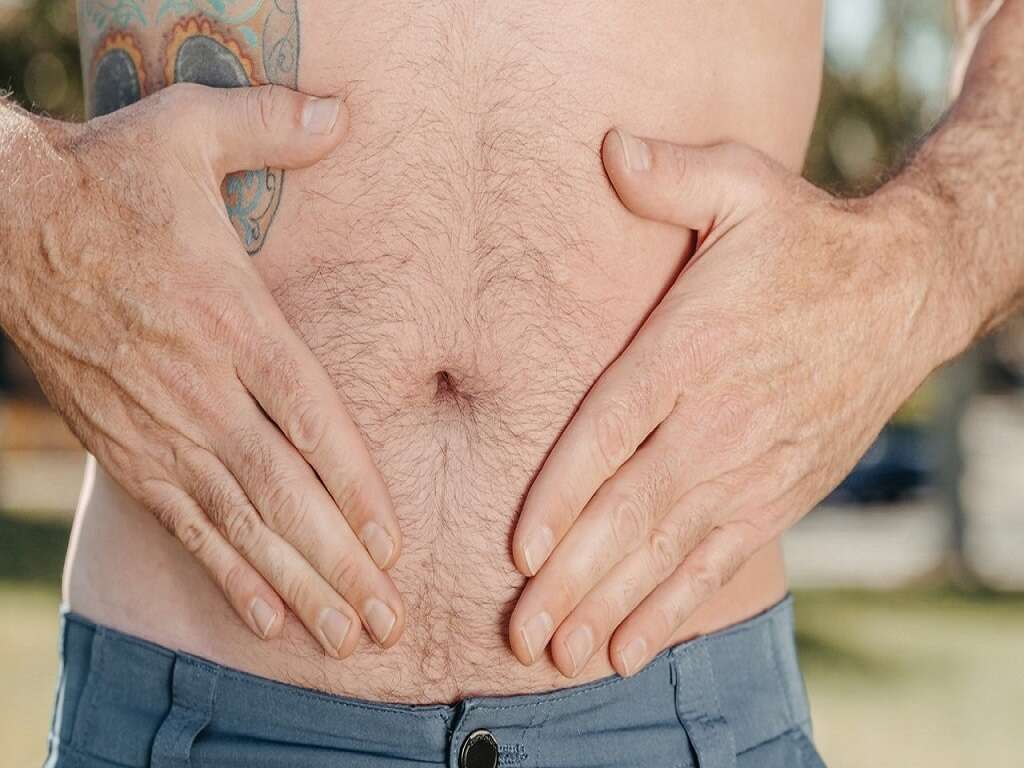
When a person consumes high-fat foods, the microbes manage the fat content. Studies show that a high-fat diet may lead to high microbe levels, which can result in small intestinal bacterial overgrowth, a condition that can cause several symptoms, including bloating and pain.5

Advertisement
Recommended

Article sources (6)
- 1.’The Structure and Function of the Digestive System.’ Cleveland Clinic, www. my.clevelandclinic.org/health/articles/7041-the-structure-and-function-of-the-digestive-system
- 2.Collins J; Nguyen A; Badireddy M. ‘Anatomy, Abdomen and Pelvis, Small Intestine.’ National Institutes of Health, www.pubmed.ncbi.nlm.nih.gov/29083773
- 3.’Krause W. Brunner’s glands: a structural, histochemical and pathological profile.’ National Library of Medicine, www.pubmed.ncbi.nlm.nih.gov/11148980
- 4.’Your Digestive System and How it Works.’ National Institute of Diabetes and Digestive and Kidney Diseases, www.niddk.nih.gov/health-information/digestive-diseases/digestive-system-how-it-works
- 5.’Easton J. ‘Specific bacteria in the small intestine are crucial for fat absorption.’ The University of Chicago, uchicagomedicine.org/forefront/gastrointestinal-articles/specific-bacteria-in-the-small-intestine-are-crucial-for-fat-absorption
- 6.’Small intestinal bacterial overgrowth.’ Mayo Clinic, www.mayoclinic.org/diseases-conditions/small-intestinal-bacterial-overgrowth/symptoms-causes/syc-20370168