Distendend Abdomen Causes, Treatments and More

Part 5 of 10
5. Diagnostic Tests for Abdominal Distension
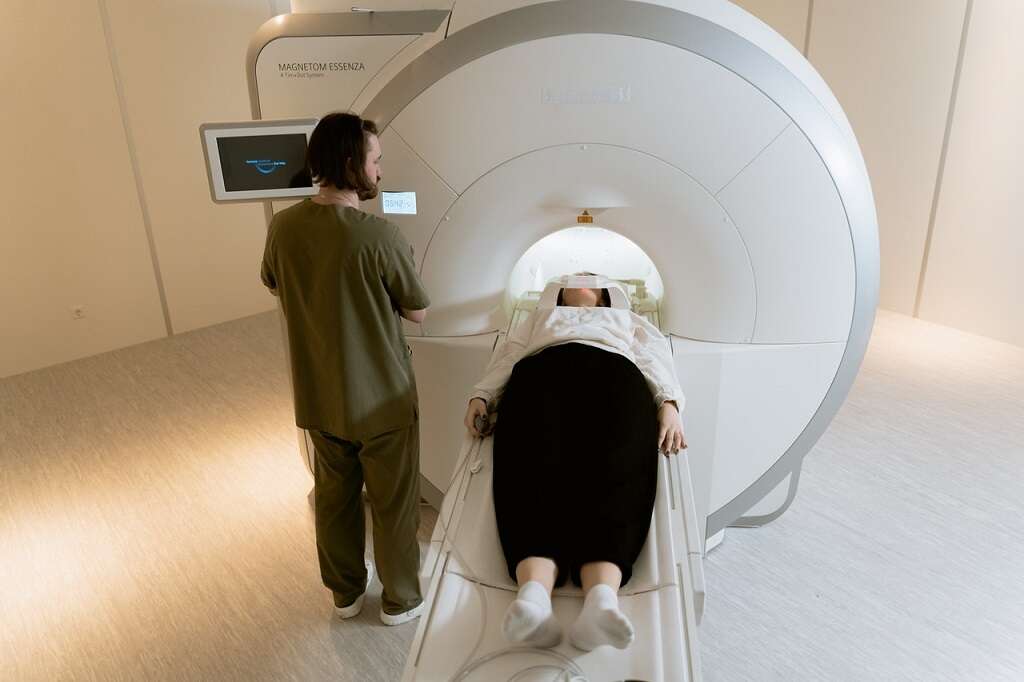
Blood tests may indicate an underlying problem, and X-rays can show a tumor or structural damage to a part of the gastrointestinal system.
Advertisement
Other commonly used tests include abdominal ultrasound and CT scans, sigmoidoscopy or colonoscopy, or EGD, in which a tube is passed through the esophagus, stomach and beginning of the small intestine to locate abnormalities. A gastric motility test may be done, and if there appears to be abdominal fluid, a physician may use a needle to draw it out for testing.1
Advertisement
Recommended



Article sources (4)
- 1.’Abdomen – swollen.’ Medline Plus. medlineplus.gov/ency/article/003122.htm
- 2.’Understanding and managing chronic abdominal bloating and distension.’ Mayo Clinic. mayoclinic.org/medical-professionals/digestive-diseases/news/understanding-and-managing-chronic-abdominal-bloating-and-distension/mac-20511032
- 3.Sullivan S. ‘Functional Abdominal Bloating with Distention.’ National Institutes of Health ncbi.nlm.nih.gov/pmc/articles/PMC3388350/
- 4.Halmos E; Power V; Shepherd S; Gibson P; Muir J. ‘A diet low in FODMAPS reduces symptoms of irritable bowel syndrome.’ National Institutes of Health 2013 pubmed.ncbi.nlm.nih.gov/24076059