10 Coxsackievirus Symptoms


Coxsackieviruses are a series of RNA viruses that can cause a variety of symptoms, most notably those related to hand, mouth, and foot disease (referred to as HFMD). Coxsackieviruses can also contribute to various diseases that target the muscles, the lungs, and the heart. Usually, it’s younger patients that experience symptoms of HFMD. This is far more likely to occur in children, but it can also occur in adults. Fortunately, HFMD infections are generally self-limited and don’t require serious medical treatment.
Symptoms of HFMD usually resolve within ten days. There usually isn’t any scarring or permanent damage. The virus spreads through the fecal-oral route and respiratory droplets as well.
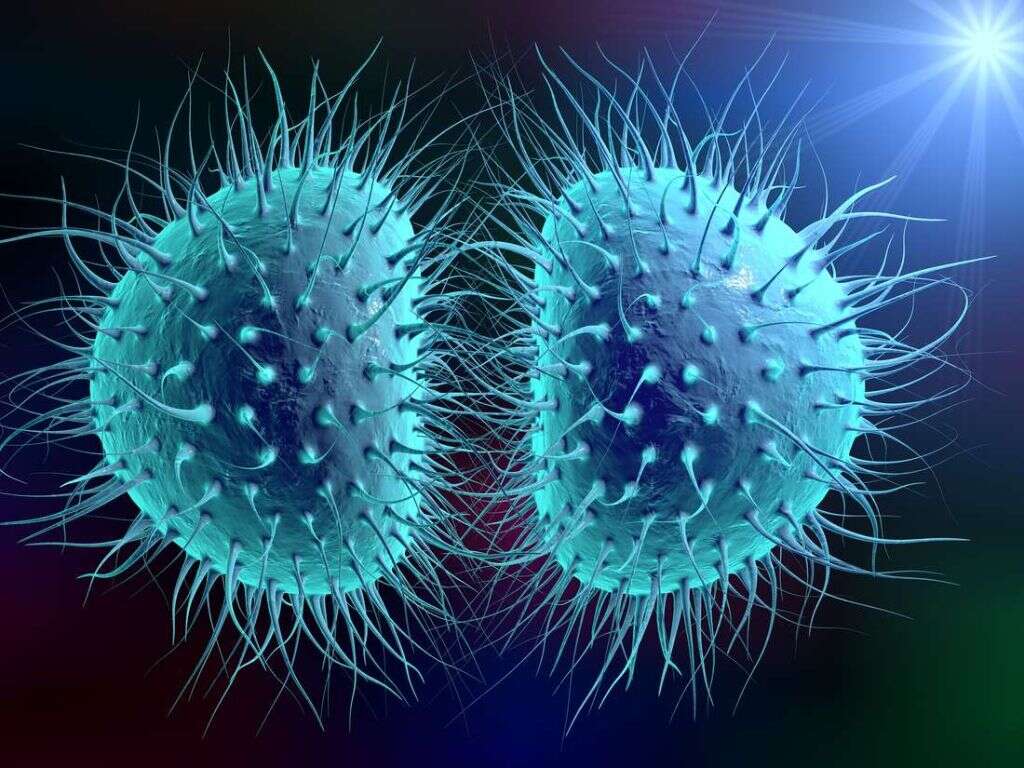
The coxsackievirus is part of the Picornaviridae family of viruses, a particular type of a wide strain of viruses known as Enterovirus. The coxsackievirus is divided into two groups, coxsackievirus A (CVA) and coxsackievirus B (CVB). The differences between the two types of coxsackievirus are based on the way that they affect newborn mice. CVA is known to induce muscle injuries and can cause muscle paralysis. CVB tends to cause organ damage to the heart, pancreas, and liver. It is important to know that over 90% of patients infected with coxsackievirus are asymptomatic.
Symptom #1: Fever
Having a fever is one of the usual warning signs that indicates a viral infection, and a coxsackievirus infection is no different. A fever is one of the first symptoms that many people developing an infection to this virus will first notice.
The fever is an immune response. The body recognizes that many viruses can’t survive as well in higher temperatures, so by raising the internal temperature of the body, it becomes easier for your immune cells to target and eliminate the virus.
Symptom #2: Reduced Appetite
Another symptom that many people report while suffering from a coxsackievirus is a reduced appetite. Again, this is one of the earliest symptoms and tends to strike around the same time that a person develops a fever.
Having a reduced appetite can make it more difficult for your body to ward off an infection because you require certain nutrients and calories to have the energy for your immune system to work. Drinking plenty of water is crucial to avoid dehydration and further complications.
Symptom #3: Shortness of Breath
Patients suffering from a coxsackievirus infection may experience difficulty breathing. It is not a common symptom associated with this disease but it can occur if the condition complicates.
Coxsackievirus may cause a condition known as myopericarditis. This is the inflammation of the membrane that covers the heart which is known as the pericardium. The virus can also affect the muscle cells of the heart. As the inflammation spreads, symptoms like shortness of breath and chest pain appear.
Symptom #4: Sore Throat
Another common condition that affects people struggling from many different types of viral infections is a sore throat.
This is a symptom that tends to emerge during the incubation period of the coxsackievirus. This means that it may or may not persist after the incubation is complete.
Symptom #5: Malaise
Malaise is a term used to describe a general feeling of unease, often accompanied by tiredness or outright fatigue. This is a normal condition that affects people who are battling all manner of different illnesses, including people who are trying to stave off a coxsackievirus infection.
Malaise tends to strike quite early on during the incubation period, often accompanying a fever or a sore throat. Fatigue and discomfort tend to continue during the course of the infection, and can make it difficult for someone to follow their daily routine.
Symptom #6: Sores in the Mouth
The coxsackievirus infection is known to cause sores in the mouth. These sores tend to develop immediately after the incubation period, so about one or two days after the fever has begun to develop.
These sores can develop into blisters that can form ulcers. These can be uncomfortable at the very least and can often become quite painful.
Symptom #7: Rash
One of the most telling signs that someone has developed a coxsackievirus infection is the way that their bodies tend to form a vesicular rash. This symptom is more likely to affect young children under the age of 10.
The vesicles usually appear in their palms and soles but in some rare cases, the genital area and the gluteal region are also affected. This rash is usually not itchy at all.
Symptom #8: Red Eyes
Many people who develop a coxsackievirus infection are prone to developing a condition known as conjunctivitis. This condition is also more likely to affect children than adults, although it has been known to affect both.
Conjunctivitis is a condition in which the conjunctiva becomes inflamed, causing red eyes, pain, and/or itchiness in the affected eye. Viral conjunctivitis is very contagious and can also causHeadaches
Symptom #9: Headaches
Headaches are a common finding among viral infections. Headaches usually appear in the early stages of the disease, just when the fever and malaise sets in. They are usually mild to moderate and tend to resolve on their own once the disease starts to go away.
If the headaches are too intense or if they are associated with neck pain, lethargy and vomiting, this could be a sign that the disease has spread into the central nervous system, causing a condition known as aseptic meningitis. If this is the case, it is important to seek medical attention as soon as possible to prevent further complications.
Symptom #10: Chest Pain
Patients suffering from a coxsackievirus infection may complain of chest pain. This is a non-specific symptom associated with many conditions. It is not a common finding in the usual coxsackievirus infection but it is known to happen in rare cases.
Coxsackievirus may cause a condition known as myopericarditis. This is the inflammation of the membrane that covers the heart which is known as the pericardium. The virus can also affect the muscle cells of the heart. As the inflammation spreads, symptoms like shortness of breath and chest pain appear.