What Is SARS Virus?

Part 4 of 10
4. Diagnosis
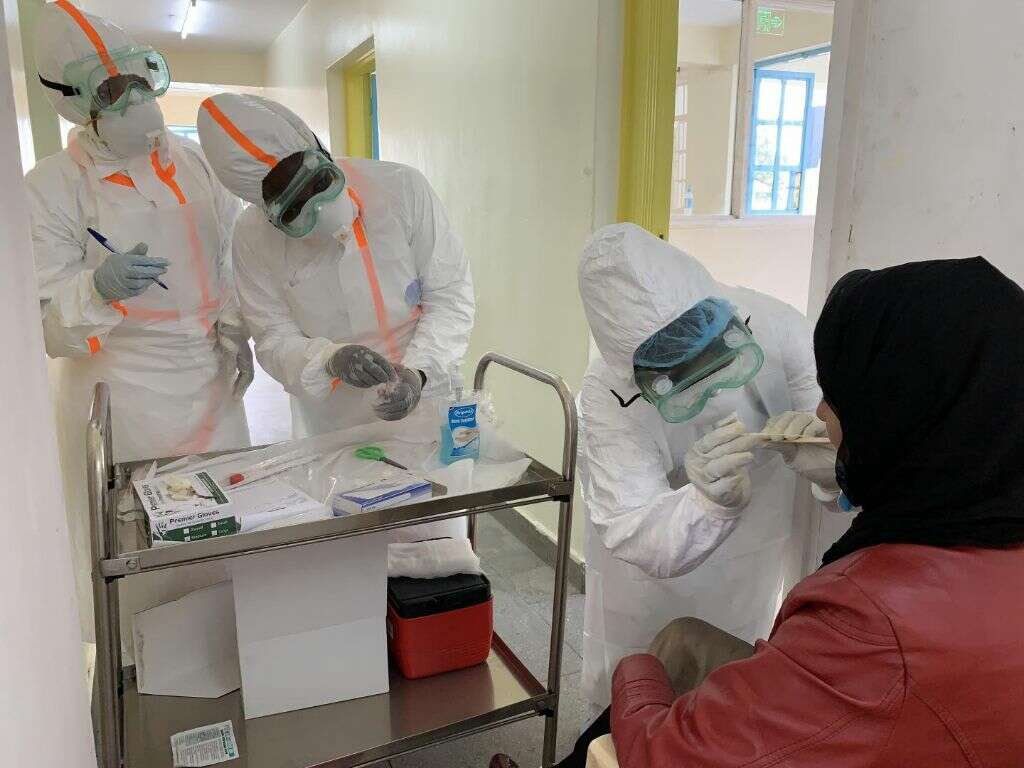
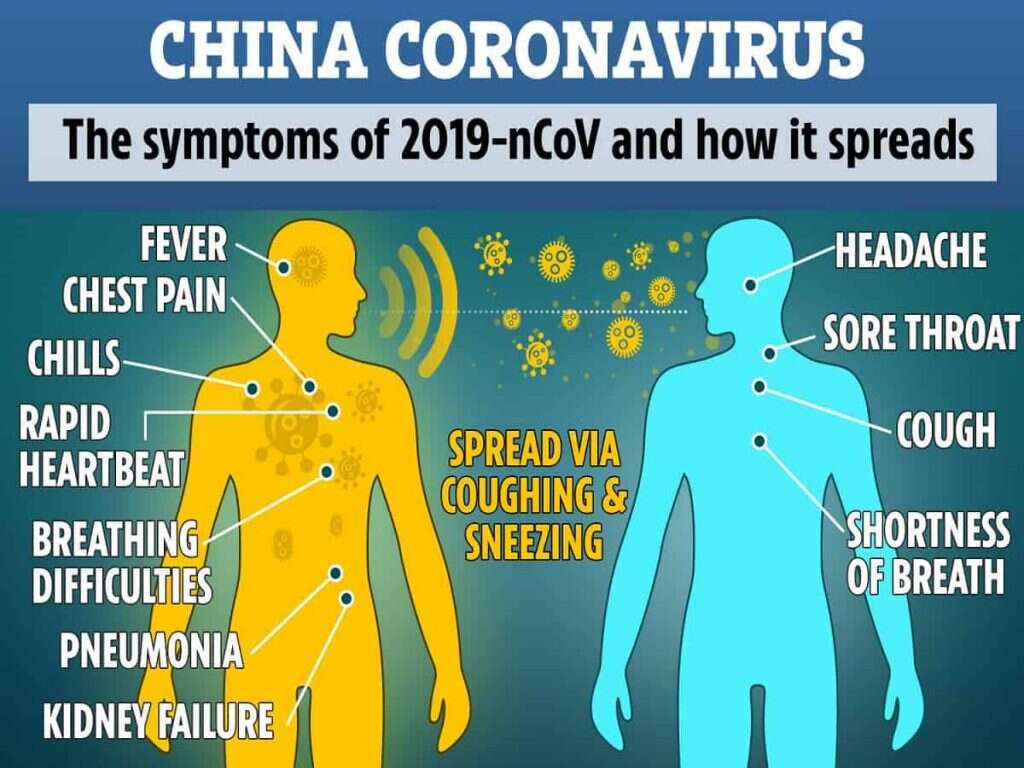
When the SARS outbreak occurred, there were no laboratory tests available to detect the presence of the virus in patients. Diagnoses were made based on a combination of symptoms and history. Since the symptoms of the illness are similar to numerous other upper respiratory illnesses, ascertaining whether the patient had possible contact with an infected person was necessary for a probable diagnosis.
Advertisement
Since the time of the outbreak, laboratory tests have been developed to test for the presence of the virus. These tests look for the presence of antibodies that would indicate a SARS-CoV infection. The challenge with antibody tests is that they do often do not detect the illness in its early stages.3

Advertisement
Recommended


Article sources (3)
- 1.Zheng, Jian et al. SARS-related Virus Predating SARS Outbreak, Hong Kong. Emerging Infectious Diseases vol. 10,2 (2004): 176-78. doi: 10.3201/eid1002.030533.
- 2.Wu, Jiang et al. Risk Factors for SARS among Person's without Known Contact with SARS Patients, Beijing, China. Emerging Infectious Diseases vol. 10,2 (2004): 210-16. doi: 10.3201/eid1002.030730.
- 3.Richardson, Susan E. et al. The Laboratory Diagnosis of Severe Acute Respiratory Syndrome: Emerging Laboratory Tests for an Emerging Pathogen. Clinical Biochemistry Review vol. 25,2 (2004): 133-42.