What Is HDL Cholesterol?


High density lipoprotein (HDL) is one of the five main categories of lipoproteins. A lipoprotein is a complex particle consisting of several proteins that function to transport lipids (fat molecules) around the body. This can occur in blood plasma, water, or other fluids that are outside cells.
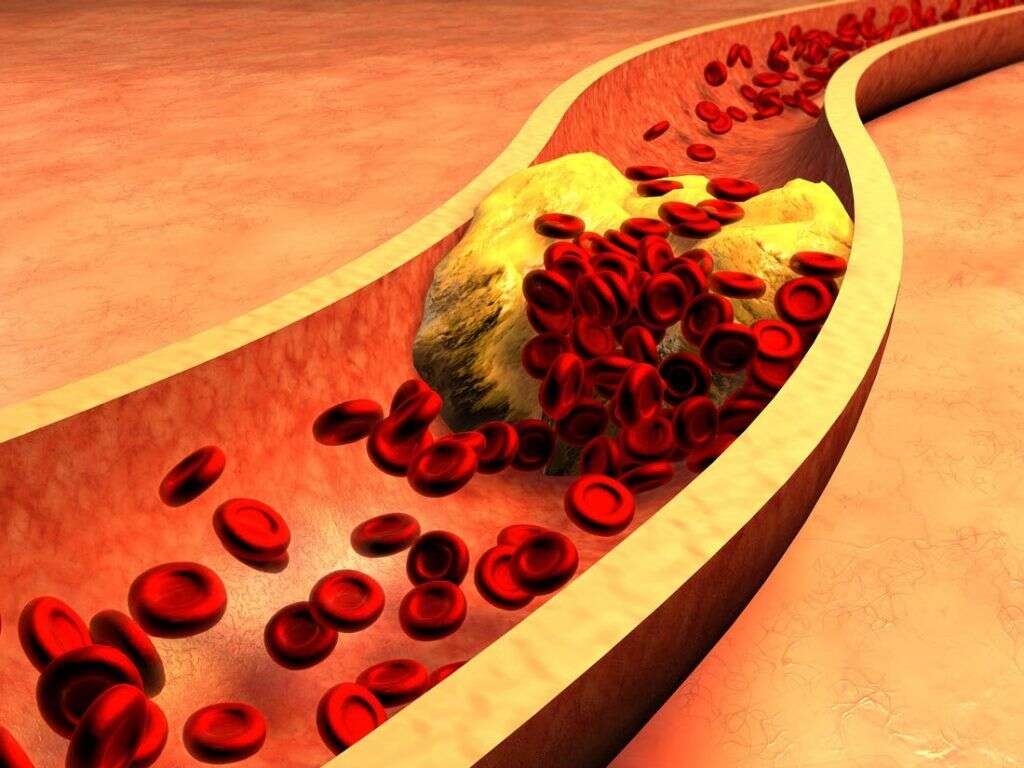
Lipoproteins are divided into five main groups based on their density or size, function, and incidence of cardiovascular issues. HDL particles have been found to remove fat molecules from cells. Researchers have also observed that a higher concentration of HDL cholesterol is strongly associated with decreased atherosclerosis (narrowing of the artery due to plaque buildup) in the arterial walls. This is crucial as it lowers the risk of cardiovascular disease, stroke, plaque ruptures, and other vascular diseases. This is also why HDL cholesterol is often referred to as the “good cholesterol.”
1. Description
High density lipoprotein cholesterol (HDL-C) that consists of mainly cholesterol, protein, and phospholipid is both produced and secreted by the intestine and liver. HDL-C have multiple surface proteins. Those with Apo-A1 and Apo-A2 proteins are those secreted from the liver. The synthesis of Apo-A1 is required for the production of HDL-C. Being the smallest of the lipoprotein particles, it is also the densest.
Cholesterol is generally transported to the liver, ovary, testes, and adrenals via several pathways. This is important for the production of steroid hormones. HDL has been found to be biologically effective as it helps to inhibit the aggregation of platelets, inflammation, coagulation, and oxidation. All these attributes contribute to the protection from atherosclerosis.
2. Investigation
Since the costs of directly measuring low density lipoprotein (LDL) and HDL are high, testing is often done for the surrogate value. This means testing is done for the cholesterol associated with the Apo-A1 particles. In normal individuals, about 30% of cholesterol is carried by HDL.
This can be compared with the cholesterol carried by LDL. HDL functions to remove fats and cholesterol and transports it to the liver for reutilization or excretion. This also means that those with higher levels of HDL cholesterol will have fewer cardiovascular issues while those with a lower HDL level with have a higher rate for cardiovascular disease.
3. Statistics
Males have been observed to have lower levels of HDL compared to women. This is also one of the contributing reasons to why men have a higher rate of atherosclerotic heart disease. The lowered rates of cardiovascular issues also applies to diabetics as HDL helps to decrease the effects of hypercoagulable state.
Based on epidemiological studies, high HDL levels were found to have a protective effect against cardiovascular issues such as heart attack and ischemic stroke. Meanwhile, lower rates increases the likelihood of atherosclerosis. Those with extremely low LDL levels still have a higher risk of cardiovascular issues if their HDL levels are not high enough.
4. Recommended Ranges
HDL cholesterol used to be measured through the separation of other lipoproteins through chemical precipitation with divalent ions and coupling it with a cholesterol oxidase reaction or ultracentrifugation. The newer method still uses a combination of the older techniques.
Per the American Heart Association, National Institute of Health, and National Cholesterol Education Program, a level of lower than 1.03 mmol/L is low and the patient has a higher risk of heart disease. Levels between 1.03 mmol/L and 1.55 mmol/L is considered medium. Levels above 1.55 mmol/L is considered to be high and optimal as it decreases the risk of heart disease.
5. Measuring HDL Size and Concentration
Since technology has helped to reduce the costs of tests while clinical trials continuously demonstrate the importance of HDL, more methods to directly measure HDL are now available. This is important as it is regarded as an important tool to assess the risk of progressive arterial disease.
The size of HDL indicates the function of the particle. Electrophoresis measurements can be performed as the HDL particles have a negative charge while varying by size and density. Nuclear magnetic resonance can also be used for measurement. The multiethnic study of atherosclerosis (MESA) is a research study sponsored by the United States National Heart, Lung, and Blood Institute that tracks the HDL particles and categorizes it by event rate percentiles.
6. Optimal HDL Size and Concentration
Based on the data from the MESA trial, researchers categorized the rates of cardiovascular issues against the amount and size of HDL particles. They found that those with the highest amount of HDL particles (more than 34.9 mol/L) have the lowest rates of cardiovascular disease while those with the lowest amount of HDL particles (less than 26.7 mol/L) have the highest rates of cardiovascular disease.
When the data involved the size of HDL particles, they found that those with the largest concentrations of HDL particles (more than 7.3 mol/L) have the lowest rates of cardiovascular events while those with the lowest amount of large HDL particles (less than 3.1mol/L) have the higher rates of cardiovascular disease.
7. How Does Diet and Exercise Affect HDL Levels?
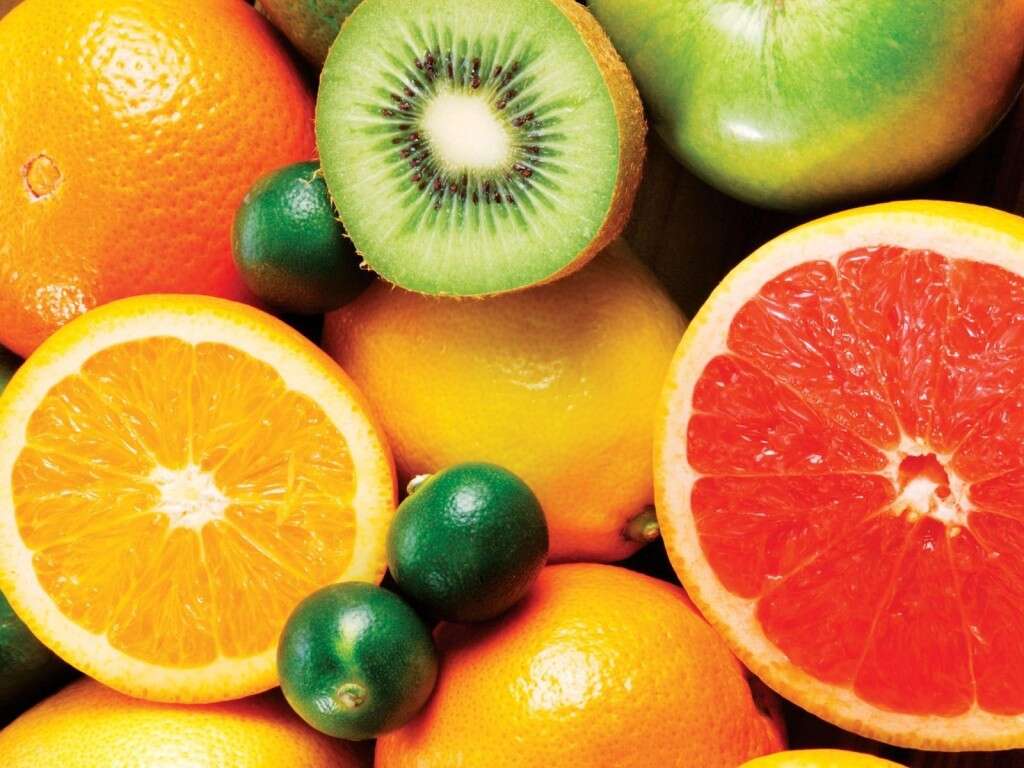
Some of the diet and exercise changes can have a positive impact on increasing the levels of HDL. For example, a lower intake of simple carbohydrates, weight loss, and aerobic exercise may increase the HDL levels.
Other methods that may be beneficial include taking magnesium supplements, consuming omega-3 fatty acids from sources such as flax or fish oil, adding more soluble fiber to the diet, increasing the intake of unsaturated fats, and avoiding the ingestion of foods containing trans fatty acids (mostly found in snacks, packaged baked goods, and fried foods). It is important to know that although saturated fats help to raise HDL levels, it also increases the LDL and total cholesterol level.
8. How Your Other Lifestyle Choices Affect HDL Levels
Researchers have observed that individuals who stop smoking have increased HDL levels compared to when they were smoking. Mild to moderate alcohol intake has also been found to be beneficial as it increases HDL levels.
Insulin use and weight loss also increases HDL levels. The use of cannabis in both past and current cannabis studies were not found to help with HDL levels. HDL levels were also observed to decrease with recent illness, obesity, stress, starvation, and the use of medications such as beta blockers, steroids, and thiazide diuretics. There is also some evidence that individuals with low HDL cholesterol levels have poor memory. As the levels decrease throughout a 5 year follow-up, the memory also declines.
9. How Do Pharmaceutical Drugs Affect HDL Levels?
Medications such as fibrates can be used to increase the HDL levels. Fibrates are a class of medication often prescribed for those with high cholesterol levels. Although it increases HDL levels, it has not been proven to improve the rates of overall deaths from all causes.
Statins are also often prescribed for individuals with high LDL levels but have little to no effect on HDL levels. Subtypes such as pitavastatin and rosuvastatin have been found to significantly increase the HDL levels. Lovaza is an omega-3 acid ethyl ester that has been shown to increase HDL-C levels. However, current evidence shows that there is little to no benefit for the primary or secondary cardiovascular disease prevention.
10. The Effects of Niacin on HDL
Niacin or nicotinic acid is a form of vitamin B3, an essential human nutrient. It can be obtained from various whole and processed foods and is highest in tuna, salmon, fortified packaged foods, and more. As a supplement, it can be used for the treatment of pellagra and high cholesterol. It increases the HDL levels by inhibiting enzymes and reducing the levels of very low density lipoprotein (VLDL) and triglyceride.
Niacin doses of 1 to 3 grams a day have been found to increase HDL levels by 10 to 30%. A study also demonstrated that niacin supplementation helps to significantly reduce the progression of atherosclerosis and lowers the rate of cardiovascular events. The recommended form of niacin would be the immediate-release and cheapest preparation.