What Is Cor Pulmonale?

Part 5 of 10
5. Signs & Symptoms
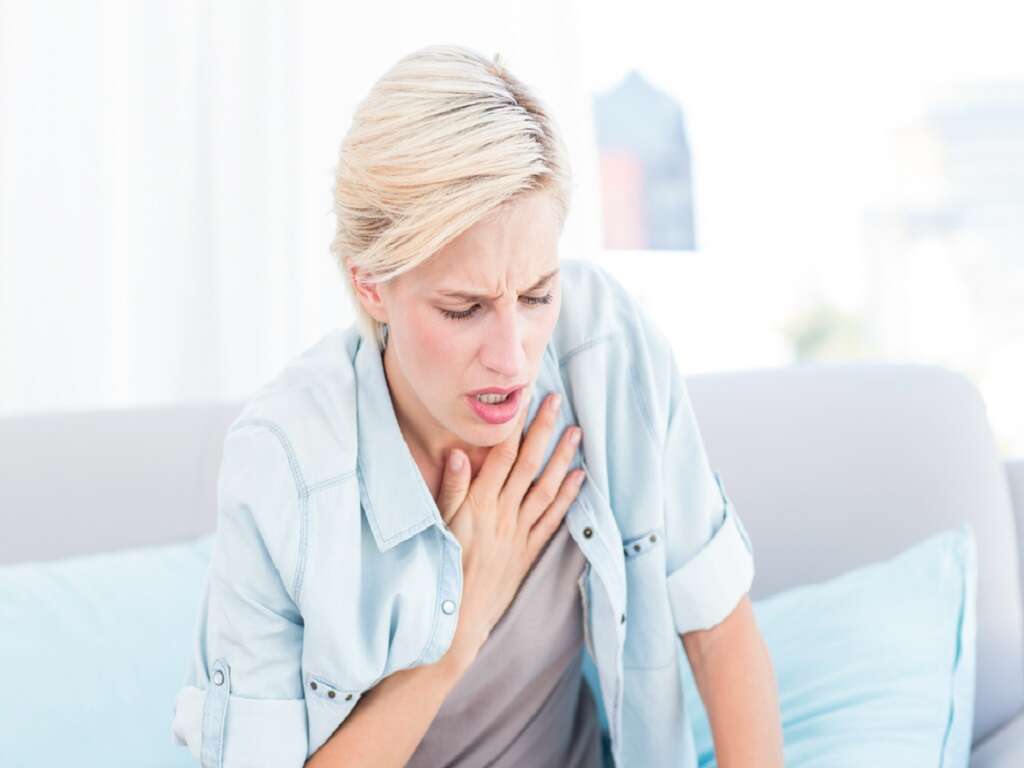
Symptoms include irregular heartbeat, shallow breathing, coughing, shortness of breath after exertion, and coughing up blood. In the early stages of the disease, patients experience symptoms similar to those of lung disease; thus, they may be unable to differentiate between problems affecting the heart rather than the lungs.3
Advertisement
Other people may notice signs in the patient’s skin such as jaundice, blue fingers and toes, and swollen legs that leave an indentation after mild pressure. Behavior changes include showing an aversion to food, fainting, coughing, and stopping often to catch a breath. The pulse may be visible in the chest or neck.3

Advertisement
Recommended


Article sources (3)
- 1.Biswas, Abhishek. Preventing the development of acute cor pulmonale in patients with acute respiratory distress syndrome: the first step. Annals of Translational Medicine vol. 4, 7 (2016). doi: 10.21037/atm.2016.03.18
- 2.Howlett, Jonathan G. Cor Pulmonale. Merck Manuals Professional Edition (2020). https://www.merckmanuals.com/professional/cardiovascular-disorders/heart-failure/cor-pulmonale
- 3.Leong, Derek et al. Cor Pulmonale. MedScape (2019). https://emedicine.medscape.com/article/154062-overview