What Is Alice in Wonderland Syndrome?

By Amanda
Part 4 of 10
4. Visual and Auditory Distortions
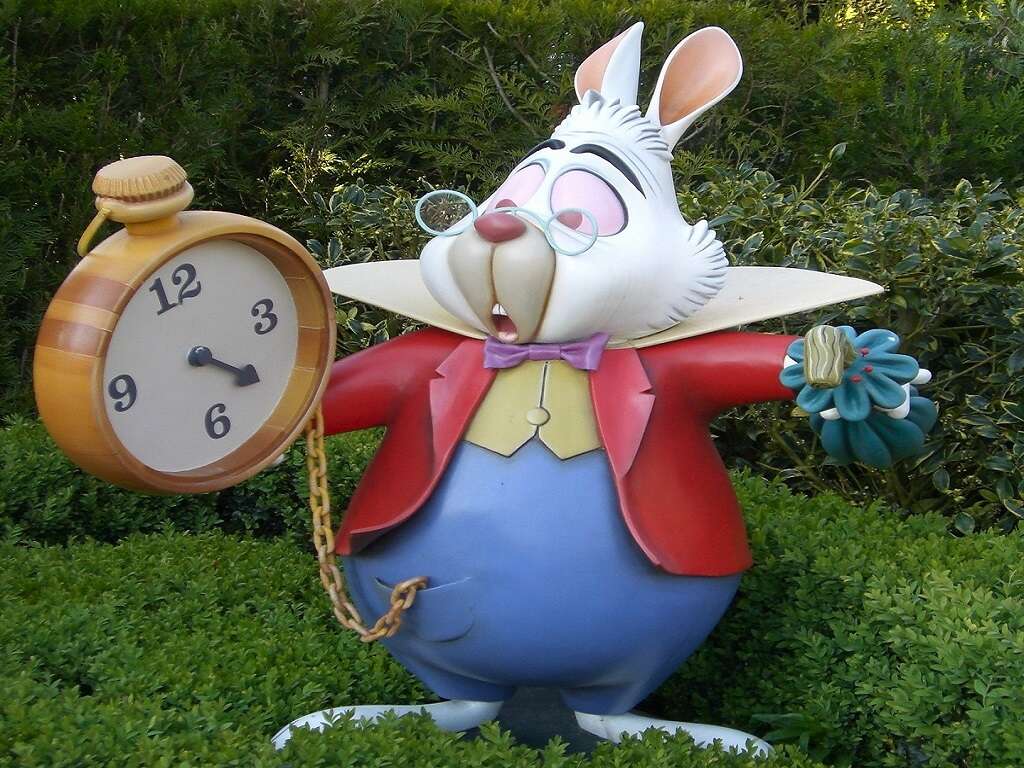
Some people with AWS experience vivid hallucinations. Alice had zoopsia when she saw animals talking and wearing clothes and kinetopia as she perceived playing cards moving on their own. Other types of visual distortions can include dyschromatopsia (seeing colors incorrectly), entomopia (seeing a grid of the same image), palinopsia (seeing afterimages), polyopia (seeing more than one of everything), visual allachesthesia (seeing images transposed horizontally or vertically), and prosopometamorphopsia (seeing distortion in faces).
Advertisement
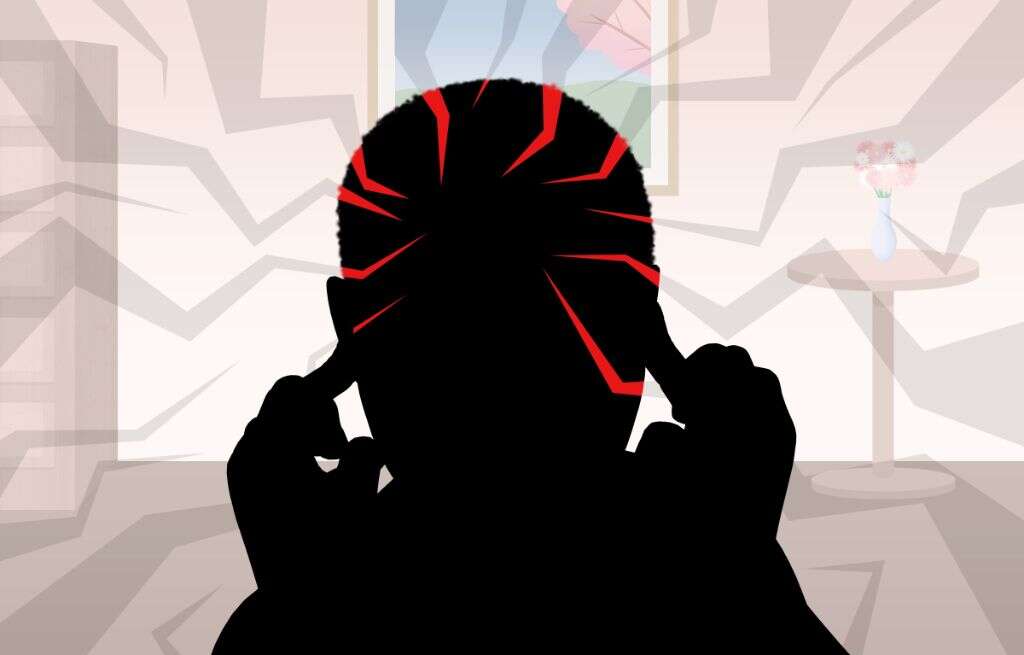
Auditory distortions can entail hearing words not actually spoken but more often involve a misperception of volume. Perceiving that small sounds are unbearably loud or irritating is known as hyperacusia, while a temporary loss of hearing is hypoacusia. Other distortions are possible; for example, at one point in the story, Alice tries to repeat a poem to herself, but “her voice sounded hoarse and strange, and the words did not come the same as they used to do.”
Advertisement