What Causes GERD?


Reviewed: Dr. Gromatzky
1. Sphincter
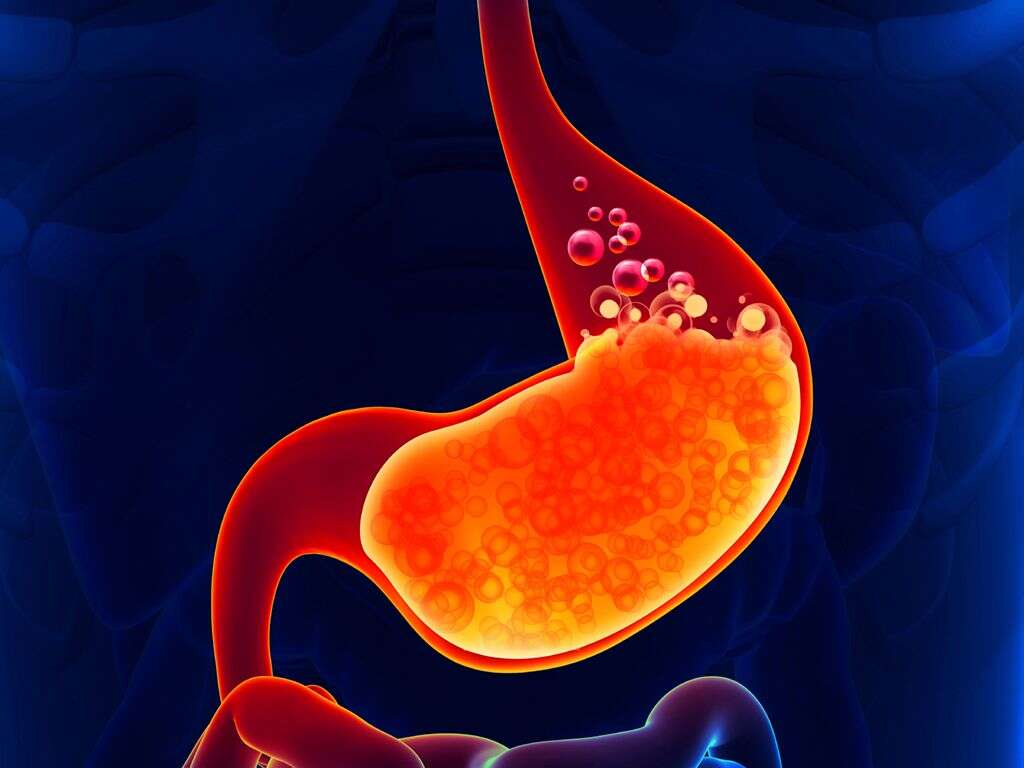
Our stomachs contain digestive juices that are slightly acidic enough to help us to break down the food that we eat. Because they can dissolve organic matter, our digestive juices can dissolve our own bodily tissues, but our stomachs are protected against its caustic nature.
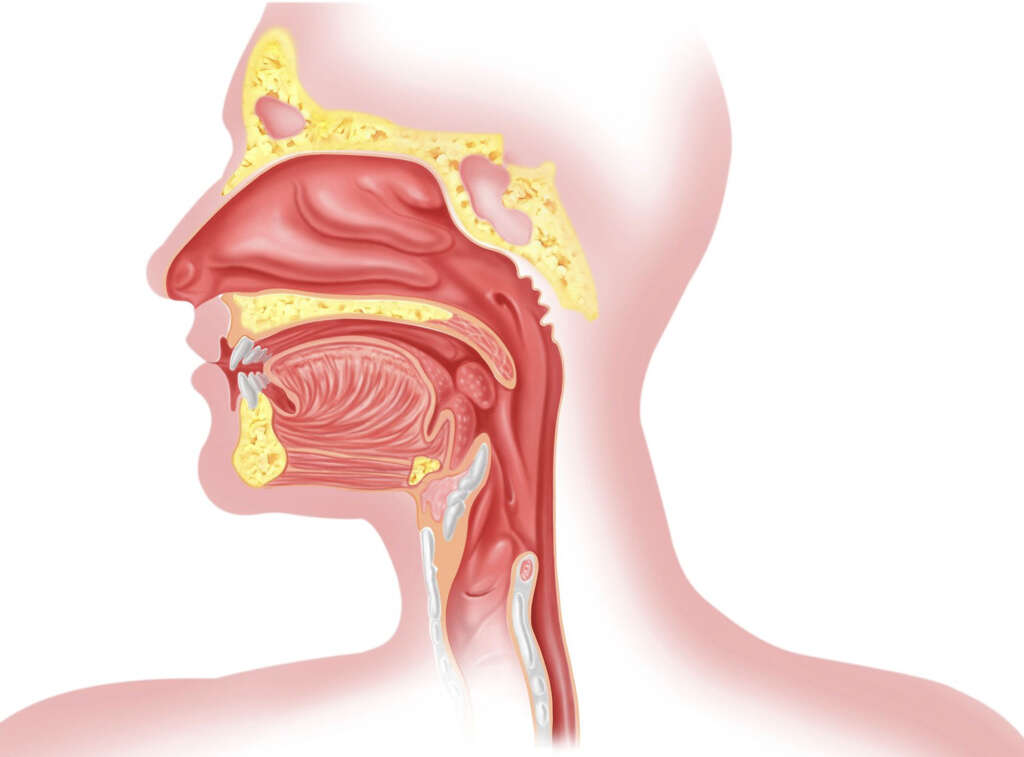
While our stomachs are protected, our esophagus is not. This is not usually a problem because a circular muscle known as the esophageal sphincter closes tight to prevent the juices from escaping. If this muscle does not close tight enough, then stomach juices are able to escape from the stomach and into the unprotected esophagus.