10 GERD Symptoms


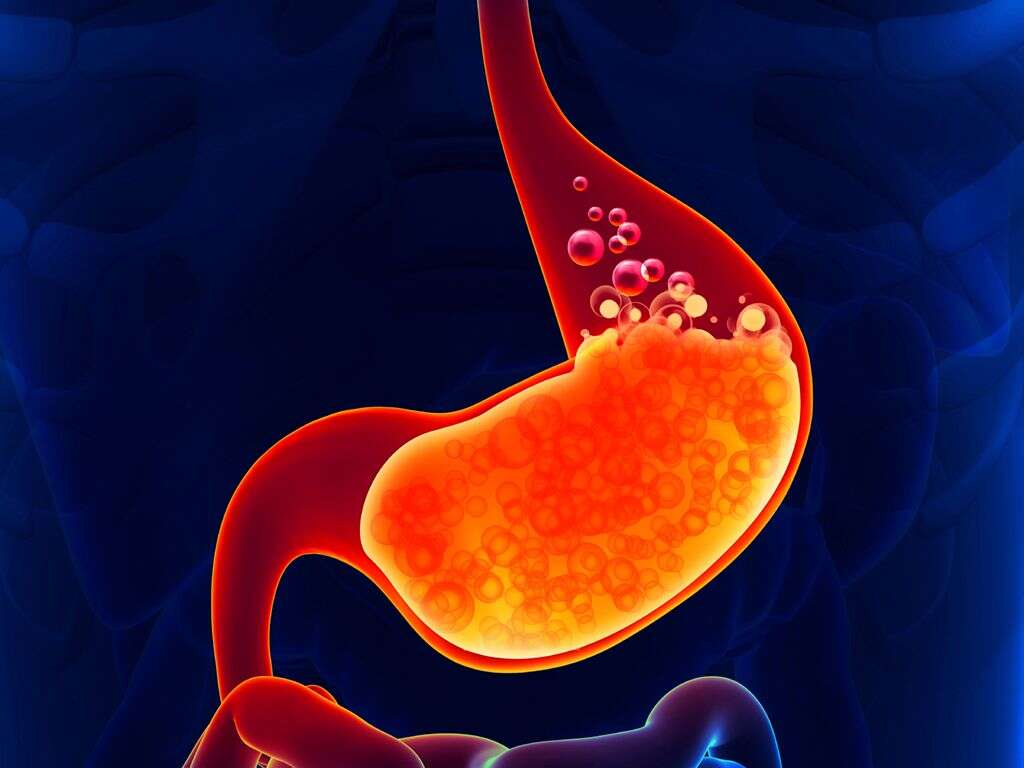
Our stomachs contain acids and other enzymes that allow us to metabolize our food and gain the nutrition we need. Usually these acids are not a problem for us because the stomach has a lining that protects it from their corrosive nature. Also, a muscle called the esophageal sphincter helps to keep the corrosive acids from flowing backwards from the stomach into the esophagus.
Sometimes this sphincter will become weak or open at the wrong time, allowing the stomach’s acids to leak out. This causes unpleasant burning in the esophagus and other associated symptoms. This condition is known as GERD (Gastroesophageal Reflux Disease) and here’s a look at some of its common symptoms.
Symptom #1: Heartburn
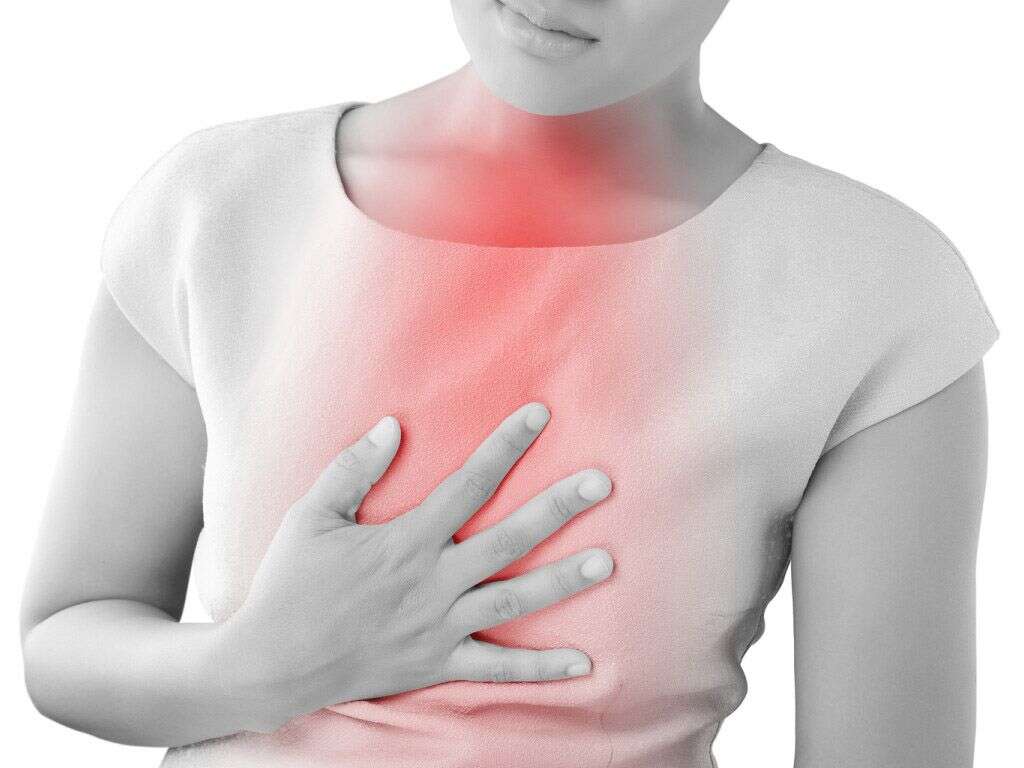
Heartburn, also known as pyrosis, is perhaps the most common and most telling symptom of GERD. It manifests itself as a deep burning sensation in the chest and can be very unpleasant. It can also lead to an acidic sensation in the throat and the mouth.
Heartburn occurs when stomach acid can rise back up into the esophagus. The lining of the esophagus is not protected from acid as the stomach is, so the acid literally attacks the lining of the esophagus. It is most commonly experienced after eating and when laying down. Antacids are a common treatment, although surgery may be required if the heartburn is severe and regular.
Symptom #2: Dyspepsia
Dyspepsia is a condition that is more commonly known as indigestion. It can be caused by a wide number of things, including GERD. Symptoms include considerable discomfort in the stomach with bloating, excess burping, and a burning sensation. It is most commonly experienced after eating, particularly after eating a lot of food or spicy food.
In people that are suffering from GERD, symptoms of dyspepsia might arise even when the person has not eaten recently. Although indigestion is not usually an indication of a more serious problem like GERD, it is advisable to see a doctor if the symptoms are persistent and unpleasant.
Symptom #3: Painful Swallowing
A sore throat can be caused by several things. Among the most common causes are illnesses such as the flu or a cold and can usually be treated with non-prescription medicines. Sometimes however a sore throat can be a symptom of GERD, which causes acid to rise in the throat and harm the soft tissues there.
GERD will often lead to pain when swallowing, discouraging the sufferer from eating. In GERD sufferers, painful swallowing is more likely to occur not long after a meal. Like dyspepsia, antacids are a popular treatment although medical advice should be sought if symptoms persist.
Symptom #4: Nausea
Nausea is another condition that can be caused by a wide number of syndromes or diseases, including GERD. Nausea in GERD sufferers tends to be the direct result of acid reflux, so it will often occur shortly after eating. It will likely be accompanied by indigestion and a burning sensation in the throat.
Pinpointing the cause of nausea can be difficult at times when the underlying condition is not obvious. It might take systematic elimination to find the cause. If you do experience nausea alongside other symptoms of GERD, you may have enough information to assist your medical practitioner in finding the proper treatment.
Symptom #5: Regurgitation
Occasionally when food goes down, it comes back up again. This is often a result of the body trying to eject too much food, eject irritating spicy food, or because there is too much acid in the stomach. Vomiting is not normally considered to be indicative of an underlying condition.
In some cases, regurgitating foods can be symptomatic of GERD. If vomiting happens regularly and is associated with other symptoms of GERD, you should find time to see a doctor. Regurgitating food also presents a choking hazard, so a regular occurrence is something that should be addressed.
Symptom #6: Chest Pain
While occasional heartburn tends not to remain for long, it can be common for pain to linger in the chests of people that suffer from GERD. That pain is caused by spasms in the esophagus as a result of acid reflux. GERD-related chest pain is often treated with antacid and other measures which help prevent the development of acid reflux.
Although lingering chest pain as the result of GERD is not usually a serious problem, it is still something that should be taken seriously. Pain in the chest area can also be an indicator of a heart attack so there may be a genuine cause for alarm. If you are suffering a pain in the chest that is unexplained, waste no time in seeking emergency medical attention.
Symptom #7: Enamel Erosion
Patients suffering from GERD may have problems with their oral health as well. The acid content from the stomach can damage the lining of the teeth, causing them to lose their white color.
If left untreated this can evolve into more serious problems like tooth decay.
Symptom #8: Pain Laying Down
When we lay down, our esophagus lays horizontally just like our bodies. While this is not usually a problem for us, it can be problematic for GERD sufferers because the stomach’s juices are able to spill out and back up into the esophagus, causing heartburn and chest pain.
One way to try and avoid the pain is to avoid eating just before bedtime. If laying down causes too much discomfort, you should seek advice from a medical professional.
Symptom #9: Bitter Taste
As unpleasant as it may sound, GERD sufferers often find that the acidic contents of their stomach can reach their mouths. Not only is this horrible to think about, but it also leaves quite an unpleasant taste in the mouth.
While this taste usually does not last long, it is still unpleasant enough to warrant treatment. In GERD sufferers it is usually accompanied by other symptoms such as heartburn. Antacids can help to prevent the unpleasant taste from occurring. Speak with a medical professional if symptoms persist and become too unpleasant.
Symptom #10: Coughing
When unwanted items enter the lungs, the body’s reaction is to cough to try and remove them. In GERD sufferers, the stomach’s juices rise not only in the esophagus but can accidentally enter the lungs. This can be quite unpleasant and produces a painful cough with an acidic taste.
If coughing is a regular occurrence it is something that should be addressed as soon as possible. Additionally, while most occasional coughing is harmless, it also produces a risk for choking. Choking can be potentially fatal in people of all ages so regular coughing is a condition that should be considered as serious.