10 Common Causes of Double Vision

 Article Sources
- 1. Edsel B Ing, M. (2020, June 11). Ophthalmologic Manifestations of Myasthenia Gravis. Retrieved November 18, 2020, from https://emedicine.medscape.com/article/1216417-overview
- 2. Neeraj N Mathur, M. (2020, May 12). Orbital Fractures. Retrieved November 18, 2020, from https://emedicine.medscape.com/article/867985-overview
- 3. Suhr, C. L., OD, Chubb, L., OD, & Himmelein, L., OD. (2019, August 15). Top Causes of Double Vision. Retrieved November 18, 2020, from https://www.reviewofoptometry.com/article/top-causes-of-double-vision
1. Cataracts
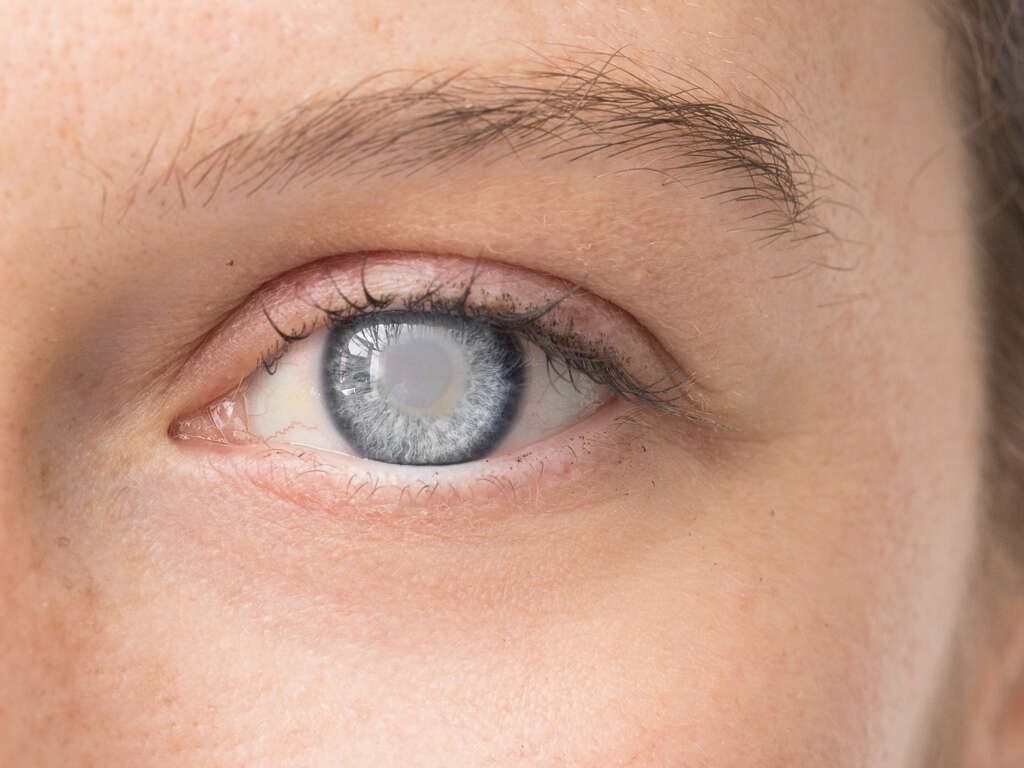
Cataracts are a condition that affects the lens of the eye. This structure is also known as the crystalline and it is the one in charge of refracting light to the retina. Additionally, it adjusts its shape constantly (accommodation) so we can focus sharp images in the back of our eye. The crystalline is normally clear; however, its clouding or opacification can be caused by cataracts. Risk factors for cataracts include aging, previous eye-trauma, and long-standing diabetes.
In cataracts, visual changes like diplopia, blurry vision, sensitivity to light, and impaired night vision occur gradually. Moreover, people with cataracts can experience monocular diplopia or double vision. In this case, the light that enters the eye can become scattered by the defect in the lens causing multiple images in their vision. Fortunately, cataracts can be treated surgically. The affected lens can be removed and replaced by an artificial lens in a swift procedure that will greatly improve vision for most patients.