10 Paresthesia Symptoms
Part 10 of 10
10. Muscle Spasms
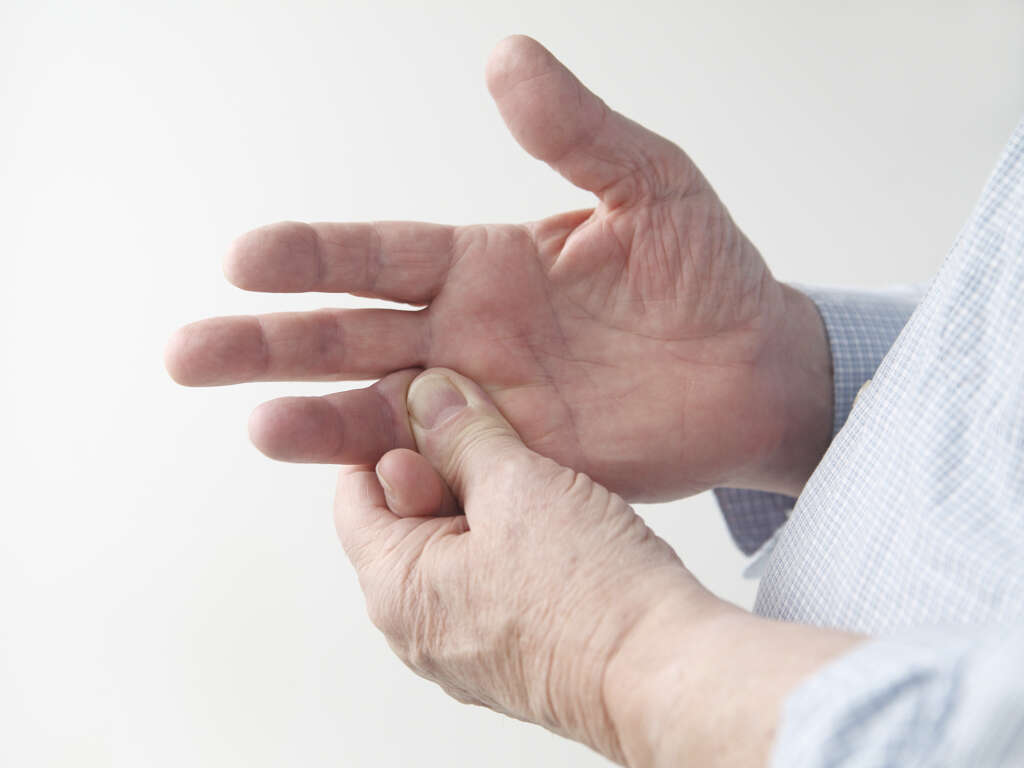
Muscle spasms, also known as muscle cramps, can be a symptom of paresthesia. A muscle spasm is an involuntary repetitive movement or contraction of a muscle that is usually quite painful.
Advertisement
Muscle spasms can be either brief or long-lasting. Gently stretching or massaging the affected limb may help relieve the discomfort of a muscle cramp. If the spasm persists, it may be a sign of chronic paresthesia, and medical attention should be sought.

Advertisement
Recommended



Article sources (4)
- 1.’Paresthesia Information Page.’ National Institute of Neurological Disorders and Stroke, U.S. Department of Health and Human Services, www.ninds.nih.gov/Disorders/All-Disorders/Paresthesia-Information-Page#disorders-r2
- 2.’Numbness.’ Mayo Clinic, Mayo Foundation for Medical Education and Research, 22 June 2021, https://www.mayoclinic.org/symptoms/numbness/basics/definition/sym-20050938
- 3.'Exclusive Content.' News, www.msfocusmagazine.org/Magazine/Magazine-Items/13-Points-about-Paresthesia
- 4.'Understanding the ‘Pins and Needles’ Feeling.' Understanding the 'Pins and Needles' Feeling - Health Encyclopedia - University of Rochester Medical Center, www.urmc.rochester.edu/encyclopedia/content.aspx?ContentTypeID=1&ContentID=58