What Is Esotropia?

By Jolene
Part 10 of 10
10. Follow-Up and Prognosis
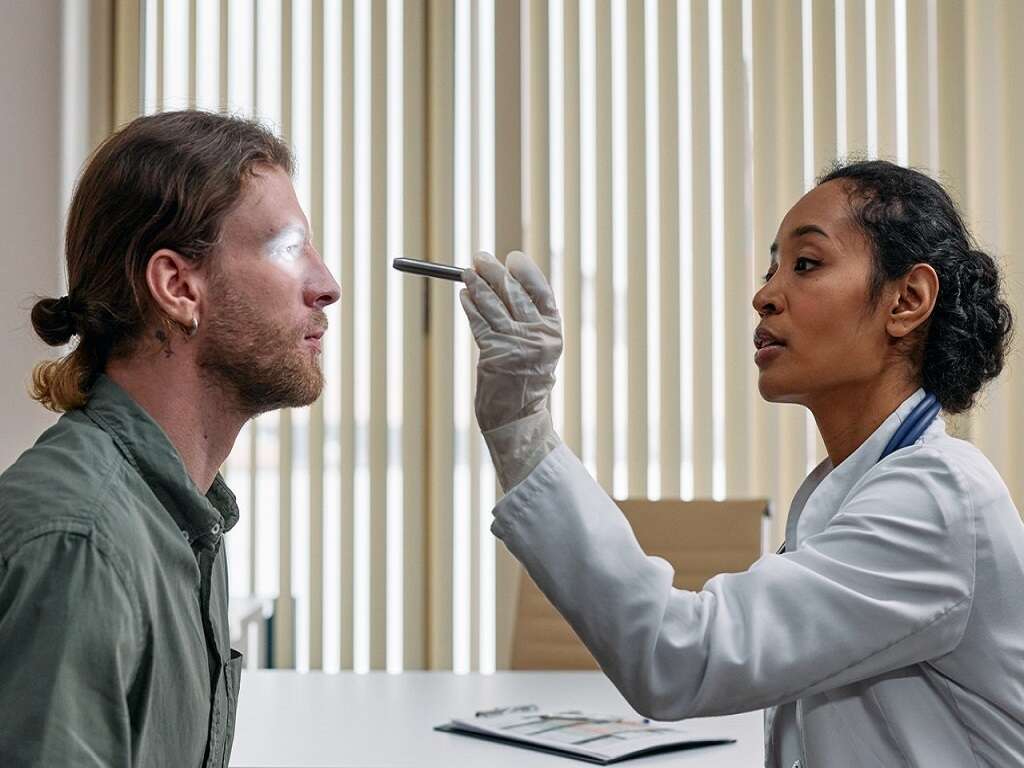
Those who are being treated for amblyopia should have a follow-up visit at 1 to 4-month intervals depending on the patient’s age. Regular follow-up is recommended to monitor the alignment of the eyes. If the strabismus and amblyopia are not treated before 4 to 6 years of age, permanent vision loss may occur. Early treatment of amblyopia improves the prognosis for the patient as it increases the likelihood of improved vision.
Advertisement
When glasses are worn faithfully, many patients with accommodative esotropia can maintain straight eyes without the need of glasses in their teenage years. In infantile esotropia, the infant is usually seen 3 to 14 days post surgery. Antibiotic and steroid ointment may be prescribed after surgery. Possible complications of surgery include infection, overcorrection or undercorrection, and conjunctival scarring.

Advertisement