What Is Cirrhosis?


1. What Functions Does the Liver Perform?
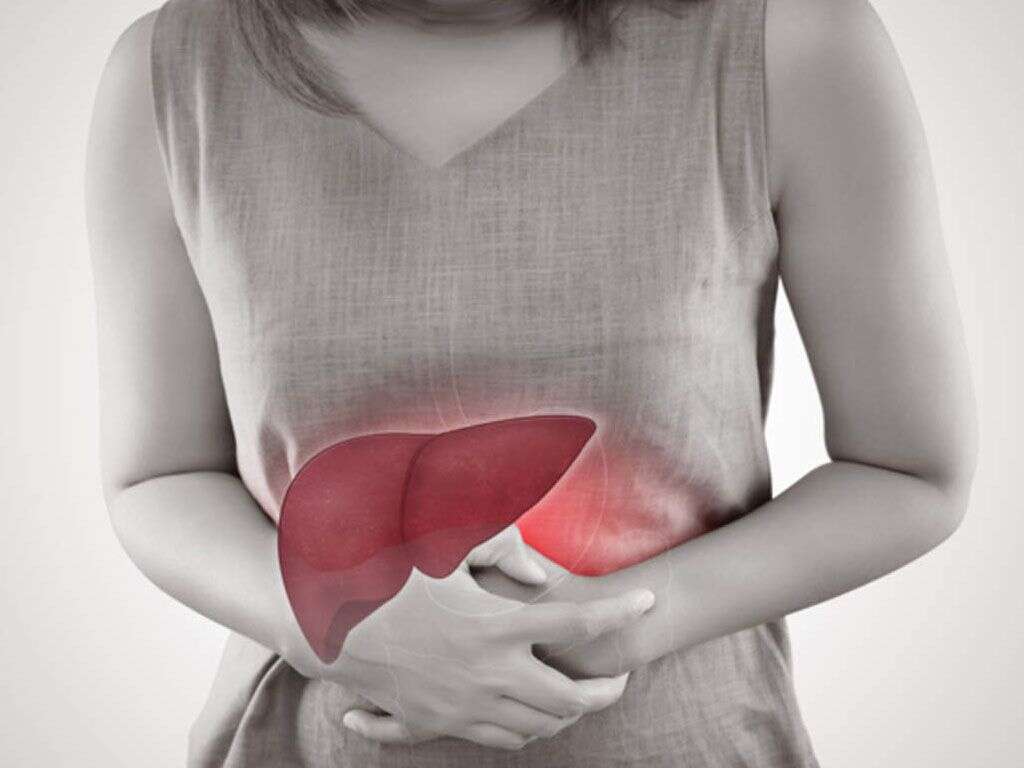
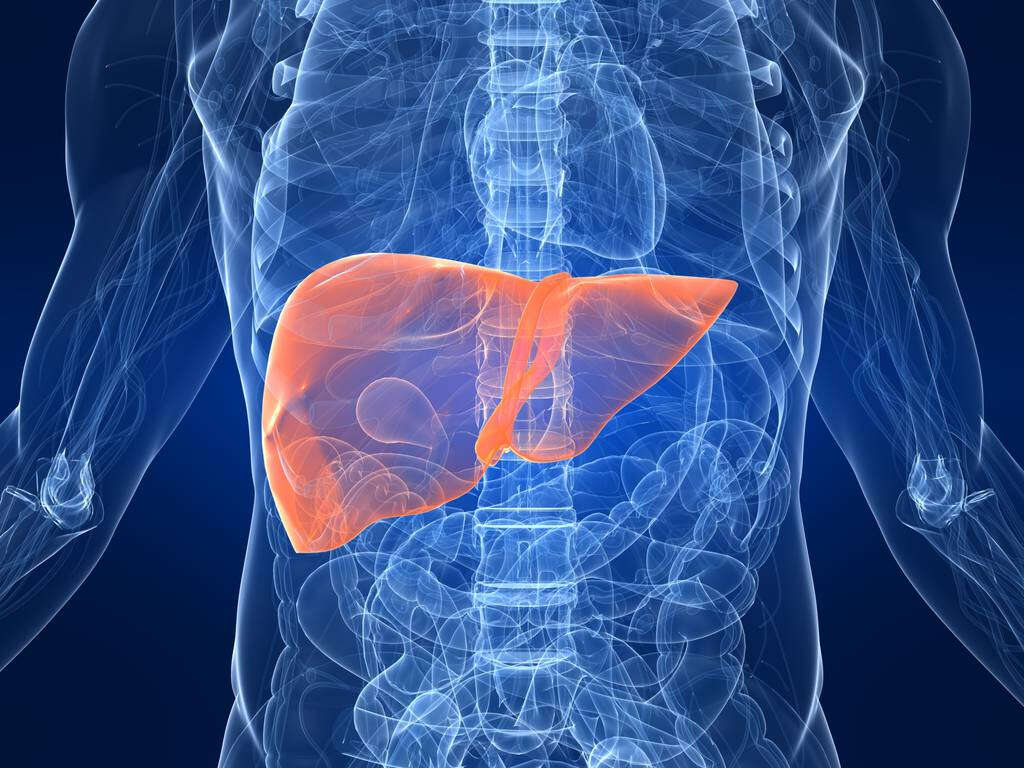
When you understand how many vital functions the liver performs, it becomes very clear why its failure is cause for concern. For starters, it is responsible for filtering toxins, hormones and some fats from your blood. It is involved with the metabolization of carbohydrates and proteins.
The liver is also responsible for bile and albumin production. Bile aids in digestion and keeps lipids such as cholesterol and triglycerides in check. It also supports blood clotting by helping the body absorb vitamin K. Albumin is a blood protein that helps regulate pressure and keep blood vessels from leaking.