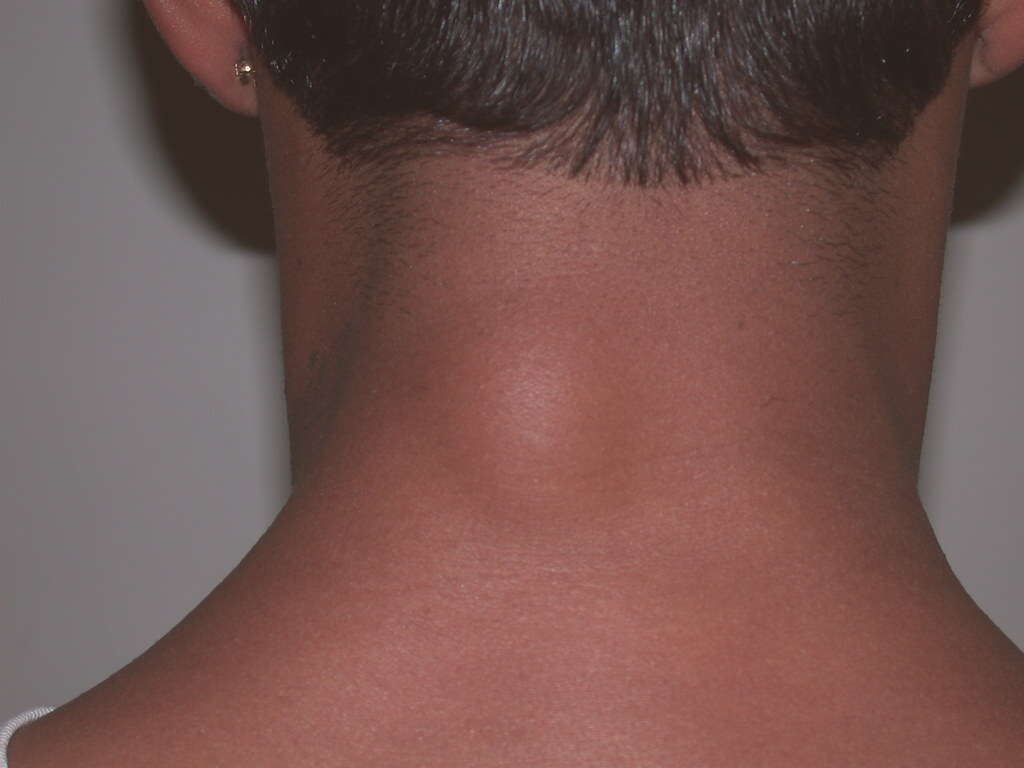
Sebaceous Cyst Causes, Treatments & More

 Article Sources
- 1. Publishing, Harvard Health. 'Sebaceous Cysts.' Harvard Health, Dec. 2018, www.health.harvard.edu/a to z/sebaceous-cysts-a-to-z.
- 2. The Editors of Encyclopaedia Britannica, et al. 'Sebaceous Gland.' Encyclopædia Britannica, Encyclopædia Britannica, Inc., 20 July 1998, www.britannica.com/science/sebaceous-gland.
- 3. 'Sebaceous Cysts: Treatment & Cause.' Sebaceous Cysts, Cleveland Clinic, https://my.clevelandclinic.org/health/diseases/14165-sebaceous-cysts.
- 4. 'Anesthesia' NHS Choices, NHS, 14 June 2018, www.nhs.uk/conditions/anaesthesia/#:~:text=local
- 5. 'Nonmelanoma Skin Cancer.' _Mayo Clinic_, Mayo Foundation for Medical Education and Research, 28 Jan. 2020, www.mayoclinic.org/diseases-conditions/sebaceous-carcinoma/cdc-20352957.
1. What Is a Sebaceous Cyst?
The sebaceous glands exist throughout the entire body except under the feet and the palms of the hand. These small, oil-producing glands attach to hair follicles and release sebum, an essential skin oil. If the opening of a sebaceous gland becomes blocked, the trapped sebum can produce a sebaceous cyst.2The Editors of Encyclopaedia Britannica, et al. ‘Sebaceous Gland.’ Encyclopædia Britannica, Encyclopædia Britannica, Inc., 20 July 1998, www.britannica.com/science/sebaceous-gland.
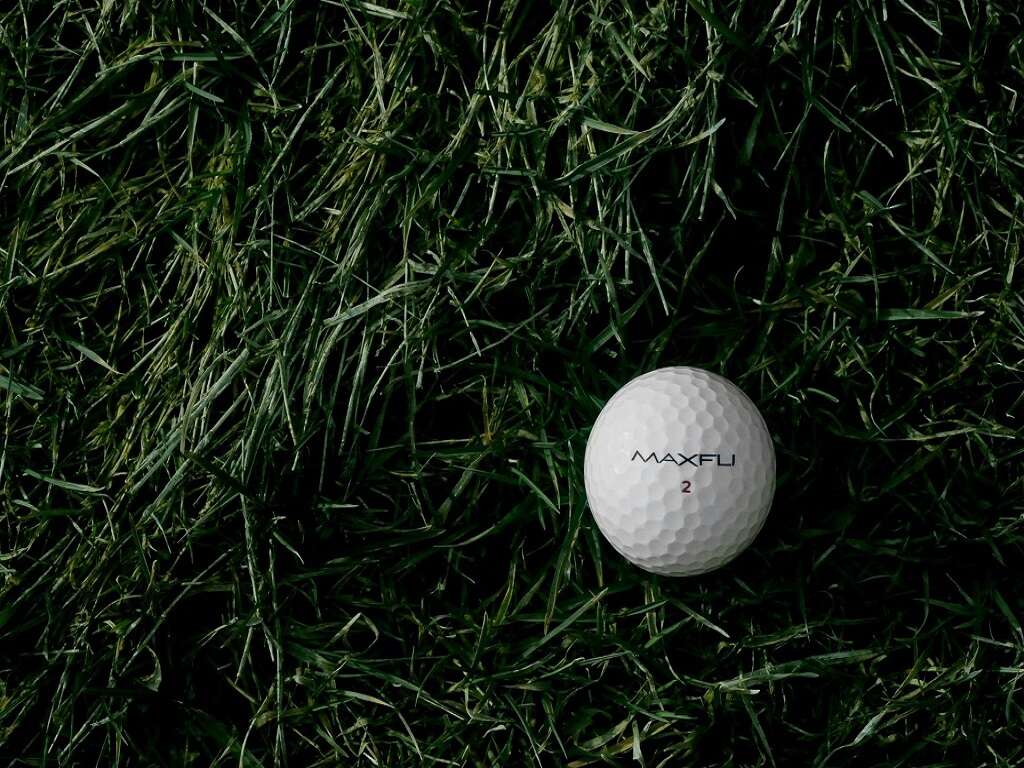
Sebaceous cysts grow slowly, creating a white or yellowish lump that moves easily when pushed. Sebaceous cysts are rarely dangerous, but symptoms of redness, swelling or drainage require an exam to check for possible infection. These cysts are usually small, with some occasionally growing as large as a golf ball.