10 Diabetic Ketoacidosis (DKA) Symptoms

 Article Sources
- 1. 'Type 1 Diabetes.' Mayo Clinic, Mayo Foundation for Medical Education and Research, 27 Mar. 2021, www.mayoclinic.org/diseases-conditions/type-1-diabetes/symptoms-causes/syc-20353011
- 2. 'DKA (Ketoacidosis) & Ketones.' DKA (Ketoacidosis) & Ketones | ADA, [www.diabetes.org/diabetes/complications/dka-ketoacidosis-ketones.](http://www.diabetes.org/diabetes/complications/dka-ketoacidosis-ketones.)
- 3. Gallo de Moraes, Alice, and Salim Surani. 'Effects of Diabetic Ketoacidosis in the Respiratory System.' World Journal of Diabetes, Baishideng Publishing Group Inc, 15 Jan. 2019, www.ncbi.nlm.nih.gov/pmc/articles/PMC6347653
Fat, Sugar & Insulin
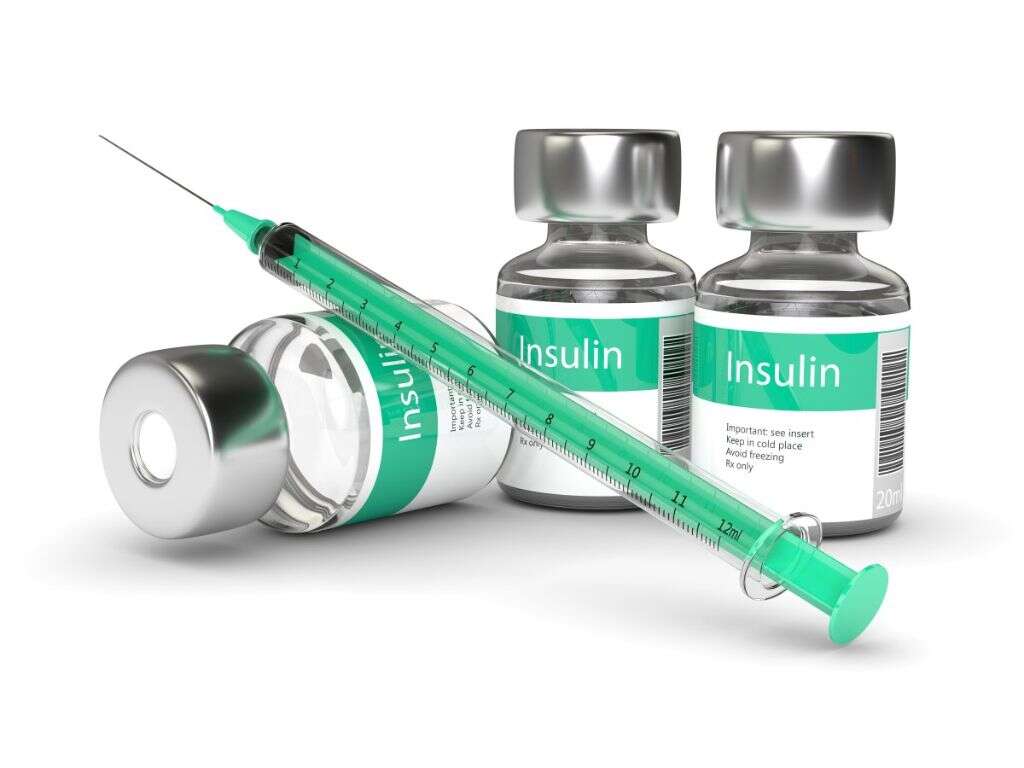
Sugar, a form of carbohydrate, enters the bloodstream as people eat and drink. Almost immediately, the body releases insulin as a response and shuttles the sugar, known as glucose, into cells where it's converted into energy. However, diabetics can't rely solely on the body's own insulin supply. In type 1 diabetes, the body doesn't produce insulin at all, and in type 2, the body becomes resistant to it.1‘Type 1 Diabetes.’ Mayo Clinic, Mayo Foundation for Medical Education and Research, 27 Mar. 2021, www.mayoclinic.org/diseases-conditions/type-1-diabetes/symptoms-causes/syc-20353011
If insulin treatment is disrupted, the body's natural way of reducing blood sugar is impaired. Blood glucose elevates to dangerously high levels, and because the body doesn't have an ready supply of energy, it looks elsewhere.